
By Maupin Steffensen Endodontics | July 28, 2026
Undergoing endodontic treatment is a major, positive step toward eliminating severe tooth pain and saving your natural smile. However, what you do in the hours and days following your procedure plays a pivotal role in how comfortably and quickly your jaw heals. While modern endodontic techniques make the procedure itself virtually painless, proper post-operative care ensures the surrounding tissue recovers without unnecessary inflammation or complications.
At Maupin Steffensen Endodontics, our specialists, Dr. Charles Maupin and Dr. Chris Steffensen, combine advanced 3D imaging with gentle endodontic care to help patients achieve long-lasting oral health. If you are preparing for care or currently recovering, following a precise post-treatment protocol will protect your investment and preserve your tooth for a lifetime.
What to Do Immediately After Your Endodontic Procedure
Immediately after your procedure, rest your jaw, keep your mouth clean, and manage initial numbness by avoiding hot foods and liquids. You should take prescribed or over-the-counter anti-inflammatory medications before the local anesthetic fully wears off to minimize tissue soreness. Staying hydrated with plain water and resting for the remainder of the day supports your body’s natural inflammatory response.
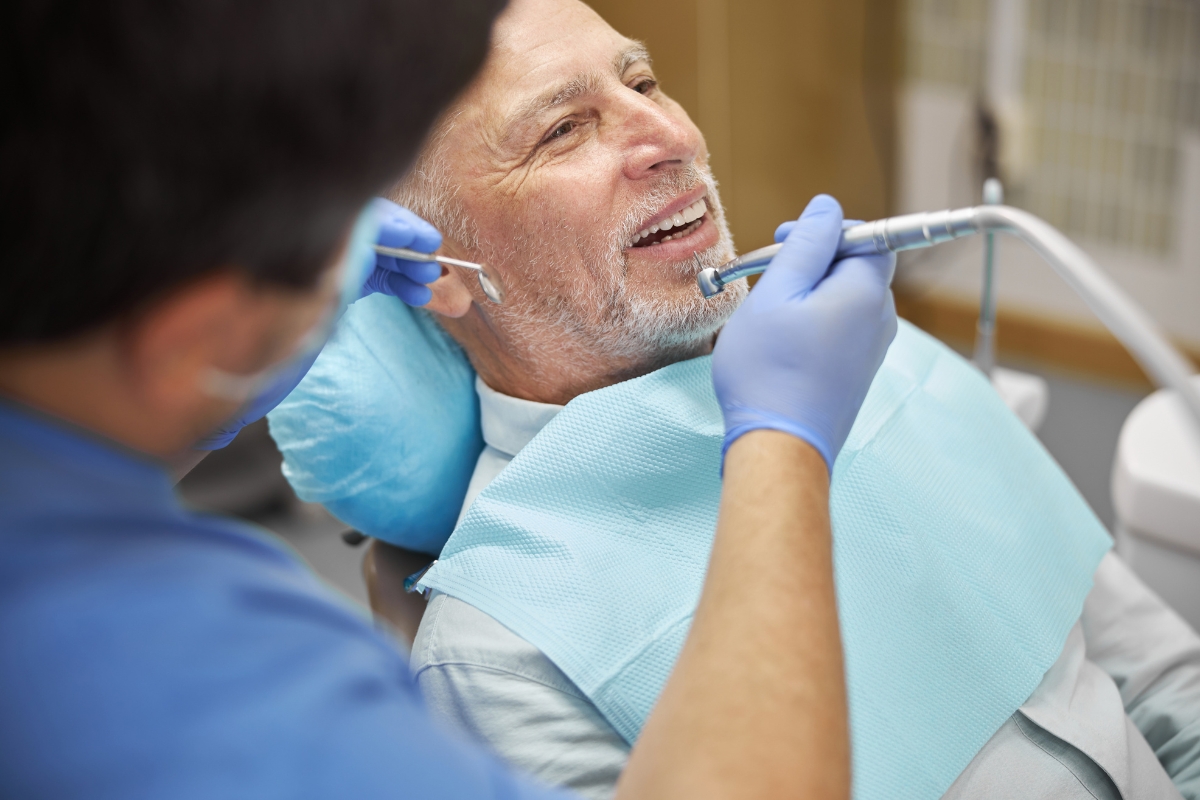
Once you leave the dental chair, local anesthesia will keep your lips, gums, and tongue numb for two to four hours. During this initial window, your primary focus should be protecting your soft tissues from accidental biting or thermal burns. The dry, windy climate around the Caprock region can easily cause chapped lips and mouth dryness, so sipping room-temperature water is essential to stay comfortably hydrated during early recovery.
To control mild tissue tenderness, endodontic specialists typically recommend anti-inflammatory medications like ibuprofen. Clinical research published by the National Institutes of Health (NIH) demonstrates that non-surgical root canal treatments achieve an overall tooth survival rate exceeding 95% over five years when combined with appropriate post-operative care and timely restoration. Taking your first dose of pain relief before numbness fully subsides prevents pain spikes as nerve pathways wake up. Additionally, applying an ice pack to the outside of your cheek in 20-minute intervals during the first six hours significantly reduces localized facial swelling.
What to Avoid During the Critical First 48 Hours
During the first 48 hours, avoid chewing on the treated side of your mouth, smoking, drinking through a straw, and eating hard, crunchy, or spicy foods. These actions can dislodge temporary filling materials, create painful pressure changes, or irritate healing gum tissue around the tooth. Refrain from heavy physical exertion to prevent blood pressure spikes that worsen throbbing sensations.
Navigating the local food scene requires a temporary adjustment while your tooth heals. While local favorites like crispy chicken-fried steak, crunchy tortilla chips, and thick West Texas barbecue brisket are tempting, biting into hard or chewy foods can crack a vulnerable, unrestored tooth or dislodge its temporary seal. If you are picking up takeout near the Depot District or local dining spots, opt for soft, non-irritating comfort foods instead.
If you are seeking a seamless recovery after a root canal in Lubbock, avoiding suction forces is equally critical. Drinking through a straw or using tobacco products creates negative pressure inside the mouth, which can disturb delicate tissue surrounding the root tip. Furthermore, smoking reduces systemic blood flow, delaying tissue repair and increasing post-operative discomfort.
Post-Root Canal Dietary Guidelines: What to Eat vs. What to Skip
Stick to a soft-food diet consisting of lukewarm or cool foods such as yogurt, mashed potatoes, scrambled eggs, smooth soups, and applesauce for the first few days. Avoid extremely hot beverages, hard seeds, sticky candies, and tough meats until your permanent crown is placed. Transitioning back to solid foods should be done gradually as tenderness subsides.
Choosing the right foods keeps your body nourished without placing stress on your healing tooth. Patients receiving root canal therapy in Lubbock should focus on soft textures that require minimal jaw movement during the initial 48 to 72 hours. Smoothies consumed with a spoon, warm broths, mashed sweet potatoes, and soft avocados provide vital nutrients without risking mechanical damage to your temporary restoration.
When scheduling root canal treatment, planning your meals ahead of time makes recovery stress-free. Avoid hot beverages like fresh-brewed coffee while numb, as nerve impairment prevents you from gauging temperature accurately, raising the risk of mucosal burns.
Managing Post-Operative Discomfort and Oral Hygiene
Maintain your oral hygiene by gently brushing and flossing adjacent teeth, but exercise extreme care around the treated tooth so you do not dislodge the temporary restoration. Rinse gently with warm salt water three to four times daily to soothe inflamed gums and keep the area clean. Avoid aggressive spitting or vigorous mouthwashes containing alcohol.
Keeping your mouth clean prevents bacterial accumulation around the healing site. Starting the morning after your procedure, dissolve half a teaspoon of salt in a glass of warm water and gently swish for 60 seconds after meals. This natural saline rinse reduces localized gum swelling and cleanses hard-to-reach areas around your temporary filling.
When brushing, use a soft-bristled toothbrush and light pressure. If you floss around the treated tooth, slide the floss gently between the teeth and pull it out sideways rather than snapping it upward, which could catch the edge of a temporary filling. If you have questions about your specific cleaning routine, feel free to visit our dental office for personalized home-care guidance.
Long-Term Care: Restoring Your Tooth with a Permanent Crown
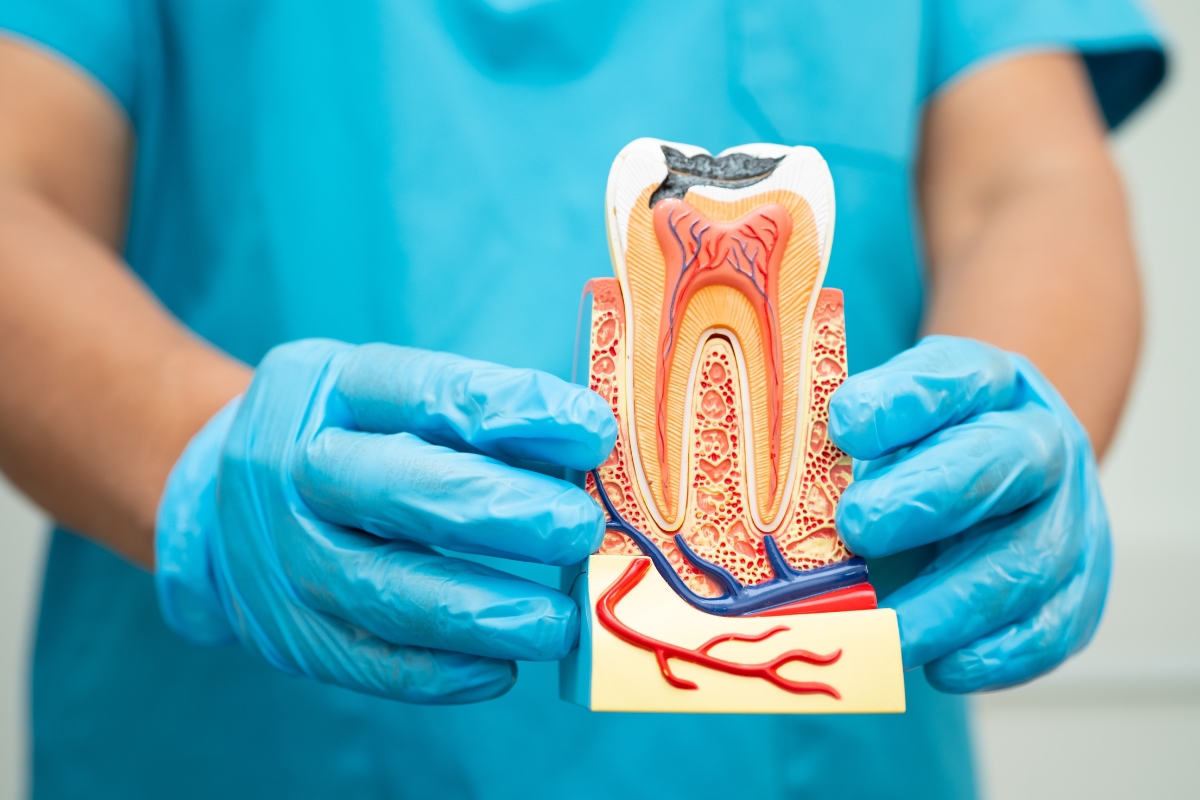
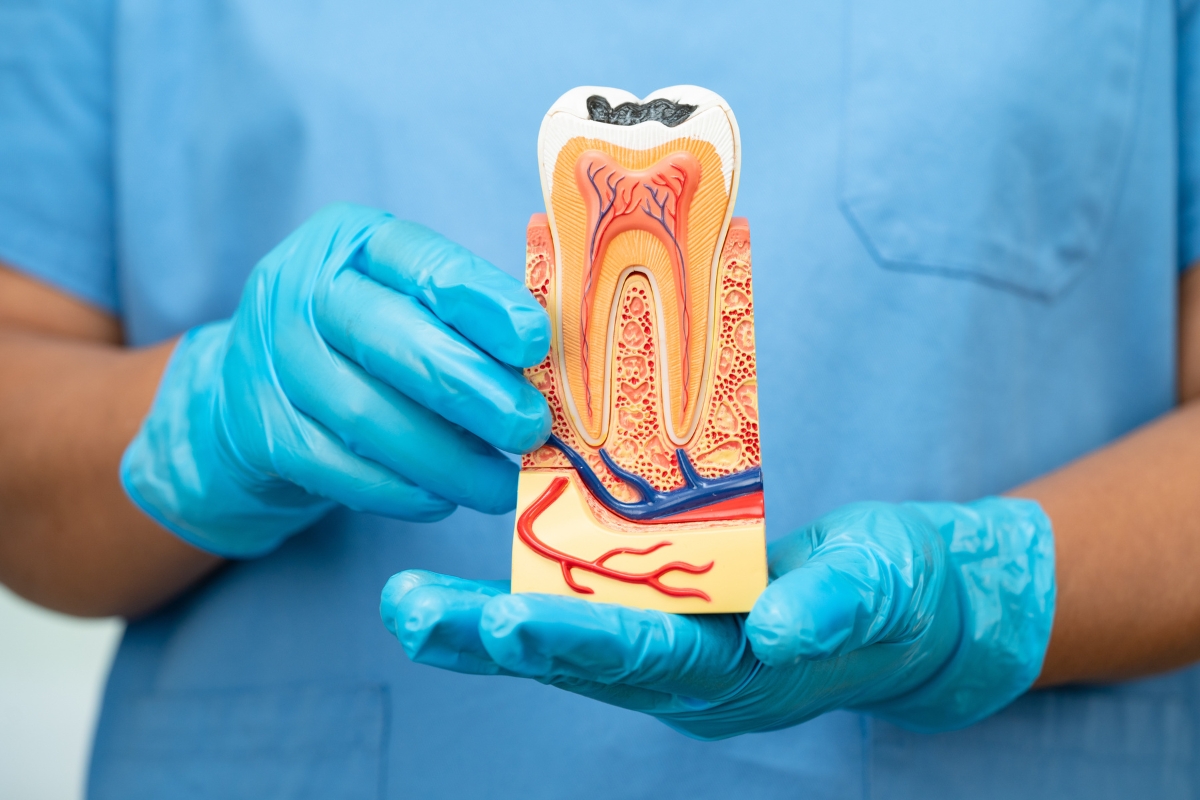
A root canal cleans and seals the interior pulp chamber, but the remaining natural tooth structure remains fragile until your general dentist places a permanent crown or final filling. You should schedule your permanent restoration within two to four weeks after endodontic treatment. Delaying this step significantly increases the risk of tooth fracture or bacterial re-contamination.
Endodontic treatment successfully removes internal infection, but without a full-coverage crown, a back tooth subjected to daily chewing forces can easily crack. Research confirms that prompt placement of a permanent coronal restoration is one of the single most influential factors in ensuring 10-to-20-year tooth retention. Contact your general dentist shortly after your endodontic appointment to keep your restoration schedule on track.
When to Contact Your Endodontist
While mild bite tenderness and slight gum soreness are normal for a few days, certain symptoms require immediate professional evaluation:
- Visible Facial Swelling: Swelling that increases after 48 hours or extends toward your cheek, eye, or neck.
- Persistent Severe Pain: Uncontrolled throbbing that does not respond to recommended pain medications.
- Loss of Temporary Filling: A dislodged or broken temporary seal that exposes the inner root canals.
- Allergic Reactions: Hives, skin rash, or itching after taking prescribed antibiotics or analgesics.
- Uneven Bite: A temporary filling that feels elevated, causing sharp pain every time your teeth meet.
Protect Your Smile with Expert Endodontic Care
Taking proper care of your mouth after an endodontic procedure ensures your natural tooth remains healthy, functional, and pain-free for decades. If you are experiencing persistent tooth sensitivity, deep jaw aches, or have been referred for specialized root canal care, our experienced team is here to help you navigate every step of treatment with complete confidence.
To evaluate your specific anatomical needs or discuss treatment options, contact Maupin Steffensen Endodontics today to book an appointment for a personalized endodontic evaluation.
Frequently Asked Questions
How long does recovery take after a root canal?
Most patients experience noticeable relief within two to three days after treatment. Full tissue healing around the root tip typically occurs over one to two weeks with proper home care.
Can I drive myself home after my root canal procedure?
Yes, most root canal procedures are performed under local anesthesia, which does not impair cognitive function. You can safely drive yourself home or return to work immediately after your appointment.
Is it normal to feel pain when biting after treatment?
Mild tenderness when biting is completely normal for a few days due to tissue inflammation around the root end. This discomfort gradually subsides as your surrounding ligament heals.
What should I do if my temporary filling falls out?
Contact your endodontist promptly to have the temporary seal replaced. Leaving the opening exposed allows bacteria from saliva to re-contaminate the disinfected root canal space, risking failure.
When can I eat solid foods again after a root canal?
You can resume soft solid foods once local anesthesia completely wears off. Avoid hard, crunchy, or chewy foods on the treated side until your permanent crown is placed.
Why do I need a crown after getting a root canal?
Root canal treatment removes internal living tissue, leaving the natural tooth structure more brittle over time. A permanent crown protects the tooth against fractures and prevents recurrent bacterial leaks.
How do I know if my root canal is failing?
Signs of potential failure include severe throbbing pain, persistent gum swelling, sinus drainage, or pain when chewing months after treatment. Prompt specialist evaluation can save the tooth through retreatment.