
By Maupin Steffensen Endodontics | June 19, 2026
Have you ever delayed treatment because of something you heard about a root canal? Many people feel anxious about this procedure because of outdated stories, misinformation, and misunderstandings.
In reality, modern endodontic care is designed to relieve pain, preserve natural teeth, and support long-term oral health.
At Maupin Steffensen Endodontics, patients throughout Lubbock and surrounding communities often arrive with questions about what the procedure involves and whether the common stories they have heard are true. Dr. Maupin regularly helps patients separate fact from fiction so they can make informed decisions about their care. Understanding the truth behind common root canal myths can help reduce anxiety, protect your smile, and prevent avoidable complications from untreated infections. This guide explains when treatment may be necessary, the facts behind common misconceptions, and what local patients should know before seeking care.
What Is Endodontic Treatment and When Is It Needed?
Endodontic treatment removes infected or damaged tissue inside a tooth and helps preserve the natural tooth structure.
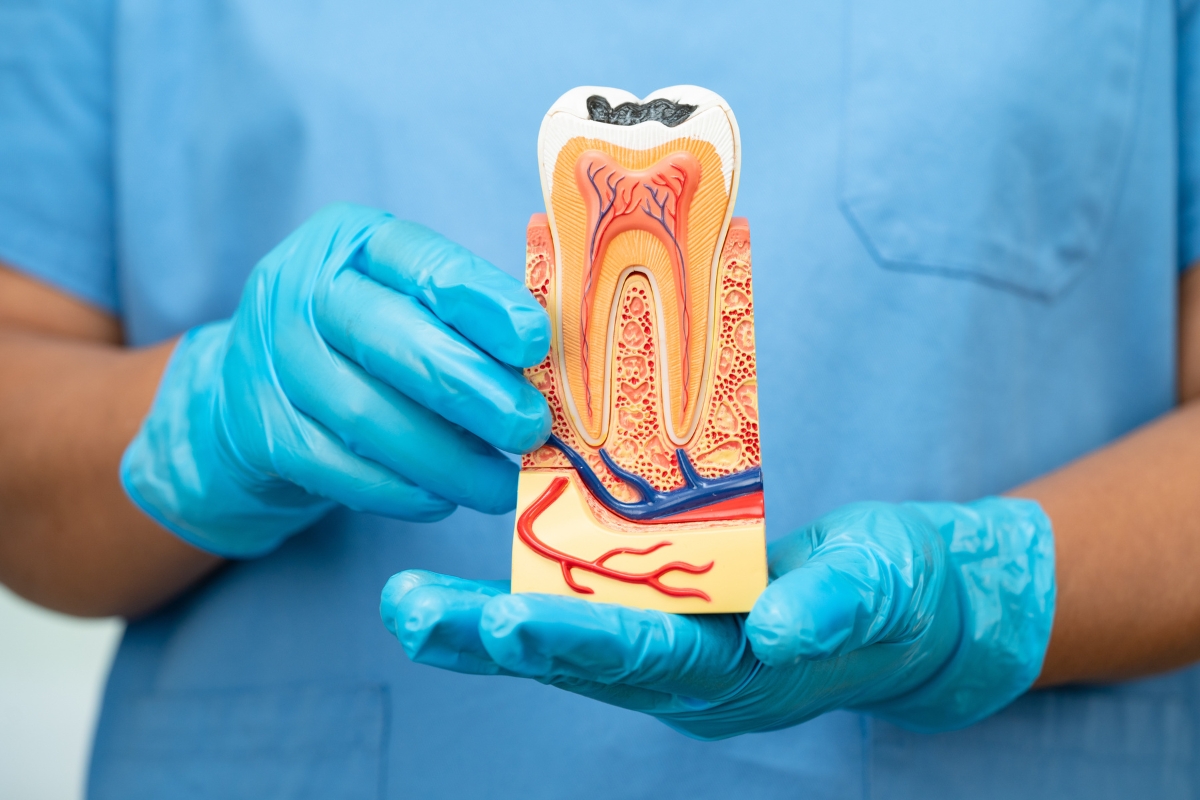
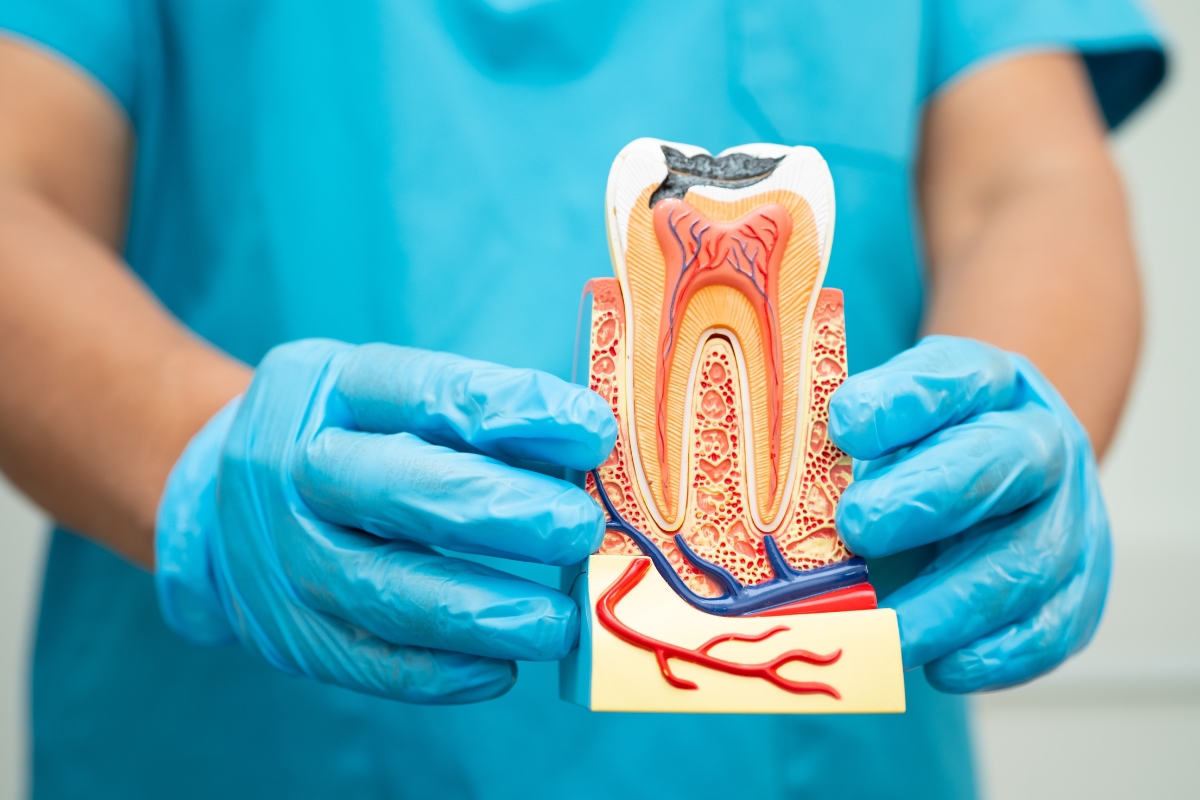
Inside every tooth is soft tissue called dental pulp. When a dental pulp infection develops due to deep decay, trauma, cracks, or repeated dental procedures, inflammation can reach the tooth nerve and cause significant discomfort.
Common RCT symptoms include:
- Persistent tooth pain
- Sensitivity to hot or cold temperatures
- Swollen gums
- Darkening of a tooth
- Tenderness while chewing
- A recurring pimple-like bump on the gums
When these symptoms occur, prompt evaluation by an endodontist can help determine whether treatment for an infected tooth is necessary.
Myth #1: The Procedure Is Extremely Painful
Truth: Modern Techniques Focus on Pain Relief
This is one of the most common root canal misconceptions patients hear.
Decades ago, treatment techniques were different. Today, advanced anesthesia, digital imaging, and modern equipment allow patients to remain comfortable throughout the procedure.
Many people are surprised to discover that the procedure itself provides RCT pain relief because it removes the inflamed tissue causing discomfort. Most patients compare the experience to receiving a routine filling rather than a painful surgical procedure.
Myth #2: Extraction Is Always Better
Truth: Saving a Natural Tooth Is Often the Preferred Option
Whenever possible, preserving a natural tooth remains a priority.
A tooth-saving treatment helps maintain normal chewing function, jawbone support, and bite alignment. While extractions are sometimes necessary, keeping a healthy natural tooth often requires less long-term restoration.
An endodontist evaluates whether the damaged tooth pulp can be treated successfully before recommending alternatives.
Myth #3: Are Root Canals Safe?
Truth: Yes, They Are Considered Safe and Effective
Many patients ask, “are root canals safe?”
Current scientific evidence supports the safety and effectiveness of modern endodontic therapy. The procedure removes infection, disinfects the internal canals, and seals the tooth to prevent reinfection.
Studies continue to show high long-term success when treatment is performed appropriately and followed by recommended restoration. For patients wondering whether root canals are safe, the answer remains yes when provided according to accepted clinical standards.
Myth #4: Treatment Requires Multiple Long Appointments
Truth: Many Cases Can Be Completed Efficiently
Another common misunderstanding is that treatment always requires several lengthy visits.
Advances in imaging and treatment planning have improved efficiency. Depending on the complexity of the case, many patients complete care in one or two appointments.
At Maupin Steffensen Endodontics, Dr. Maupin carefully evaluates each case and explains the expected timeline before treatment begins. This allows patients to plan accordingly.
Myth #5: If the Pain Goes Away, Treatment Is No Longer Necessary
Truth: Infection Can Continue Without Symptoms
Pain sometimes decreases when the nerve inside the tooth begins to die.
Unfortunately, the underlying infection may still be spreading. A tooth nerve infection can continue to damage surrounding tissues even after the discomfort fades.
Ignoring symptoms may allow the problem to worsen and increase the risk of abscess formation. Early evaluation often leads to more predictable treatment of tooth infections and helps preserve natural structures.
Myth #6: The Tooth Is Dead After Treatment
Truth: The Tooth Can Continue Functioning Normally
Many patients misunderstand what happens during a root canal procedure.
Although the infected pulp is removed, the tooth remains anchored by surrounding bone, ligaments, and tissues. Once restored, the tooth can continue functioning normally for many years.
Proper dental restoration after RCT care helps strengthen the treated tooth and restore normal appearance and function.
Myth #7: Every Toothache Requires a Root Canal
Truth: Several Conditions Can Cause Similar Symptoms
Not all tooth pain requires this procedure.
Other conditions may include:
- Gum disease
- Tooth fractures
- Sinus pressure
- Bite misalignment
- Tooth grinding
- Reversible pulp inflammation
This is why a professional examination is important. Accurate diagnosis helps determine whether endodontic therapy, restorative care, or another treatment approach is appropriate.
Myth #8: Recovery Is Difficult and Takes Weeks
Truth: Most Patients Recover Quickly
Many online stories exaggerate recovery expectations.
Mild soreness for a few days is common, especially if significant inflammation existed before treatment. Most people return to work, school, and daily activities quickly.
Following aftercare instructions supports smooth root canal recovery and reduces unnecessary discomfort. Patients often report feeling better because the source of infection has been removed.
What Happens During the Procedure?
Understanding the Basic Procedure Steps
Knowing what happens can reduce anxiety.
Typical RCT steps include:
- Diagnostic examination and imaging
- Local anesthesia
- Access to the infected area
- Removal of infected tissue
- Cleaning and shaping of canals
- Disinfection of the internal space
- Sealing the canals
- Placement of a temporary or permanent restoration
Modern RCT focuses on precision, efficiency, and preserving healthy tooth structure whenever possible.
For patients researching treatment options, learning more about advanced endodontic care can help clarify what to expect.
Why Accurate Information Matters for Local Patients
Misinformation often causes people to postpone treatment.
In West Texas communities such as Lubbock, Shallowater, Idalou, and Abernathy, patients sometimes wait until pain becomes severe before seeking help. Delays can allow infection to spread and may limit treatment options.
Understanding reliable root canal facts helps patients make timely decisions. Accurate information also reduces anxiety surrounding endodontic treatment and helps people recognize when professional evaluation is needed.
Many of the most common root canal myths persist because people share outdated experiences rather than current clinical realities. Modern technology has significantly improved patient comfort, efficiency, and outcomes.
If you are experiencing symptoms of infection or have been told you may need treatment, visit our dental practice in Lubbock for a comprehensive evaluation and personalized recommendations.
Know the Facts Before Making a Decision
Believing outdated root canal myths can prevent people from receiving care that may save a natural tooth and eliminate infection. Understanding current root canal facts, recognizing warning signs, and seeking prompt evaluation can help protect your oral health.
At Maupin Steffensen Endodontics, Dr. Maupin provides advanced endodontic treatment for patients throughout Lubbock and surrounding Texas communities. If you have questions about root canal therapy, endodontic therapy, or ongoing symptoms, professional guidance can help you understand your options. To learn more or book an appointment, call +1806-853-9924 and speak with the team at Maupin Steffensen Endodontics.
Frequently Asked Questions
How do I know if I need treatment for an infected tooth?
Persistent pain, prolonged sensitivity, swelling, pressure while chewing, or discoloration may indicate internal infection. A professional examination and imaging are necessary for diagnosis. Prompt evaluation helps determine whether treatment can preserve the natural tooth and prevent complications.
Can a treated tooth last for many years?
Yes. Many treated teeth function successfully for years when properly restored and maintained. Long-term success depends on the condition of the tooth, oral hygiene habits, and timely placement of recommended restorations. Regular dental visits also help monitor healing and overall tooth health.
What should I expect after the procedure?
Most patients experience mild tenderness for a few days. Over-the-counter medications often manage temporary discomfort effectively. Following post-treatment instructions, avoiding hard foods initially, and attending recommended follow-up visits can support healing and help ensure successful recovery.
Is an endodontist different from a general dentist?
An endodontist receives additional training focused on diagnosing tooth pain and treating conditions affecting the dental pulp and root structures. Patients with complex infections, previous treatment concerns, or challenging anatomy may benefit from care provided by a root canal specialist.
What happens if a tooth infection is left untreated?
Untreated infections may spread into surrounding tissues and become more difficult to manage over time. Early evaluation allows clinicians to determine the most appropriate treatment option and may increase the chances of preserving the natural tooth while reducing future complications.