
By Maupin Steffensen Endodontics | June 12, 2026
Tooth pain can start as a minor annoyance and quickly become a serious problem. When infection reaches the inner portion of a tooth, many people assume extraction is the only option. In reality, modern endodontic care often allows preservation of the tooth and restoration of comfort without removal.
At Maupin Steffensen Endodontics, patients from Lubbock and surrounding Texas communities frequently seek treatment when a damaged tooth is at risk. Understanding your options early can make a significant difference in protecting your long-term oral health.
One of the most important reasons people choose endodontic treatment is how root canals save teeth that might otherwise need to be extracted. By removing infection from inside the tooth and preserving its structure, this procedure helps patients maintain a healthier and more functional smile.
Why Preserving Your Natural Teeth Matters
Your natural teeth are designed to work together. Each one of them supports chewing, speaking, and maintaining proper alignment.
When a tooth is removed, neighboring teeth may gradually shift into the empty space. This movement can affect your bite and increase the likelihood of additional dental concerns over time.
Whenever possible, endodontists focus on saving a natural tooth because it allows patients to maintain normal function and avoid more extensive restorative procedures later.
Natural Teeth Support Jaw Health
Natural tooth roots play an active role in maintaining jawbone strength by providing the stimulation the bone needs during daily chewing.
Keeping a healthy tooth in place helps preserve the natural relationship between your teeth, gums, and supporting bone.
What Happens During Endodontic Treatment?
Many people have heard of a root canal treatment, but few understand exactly what it involves.
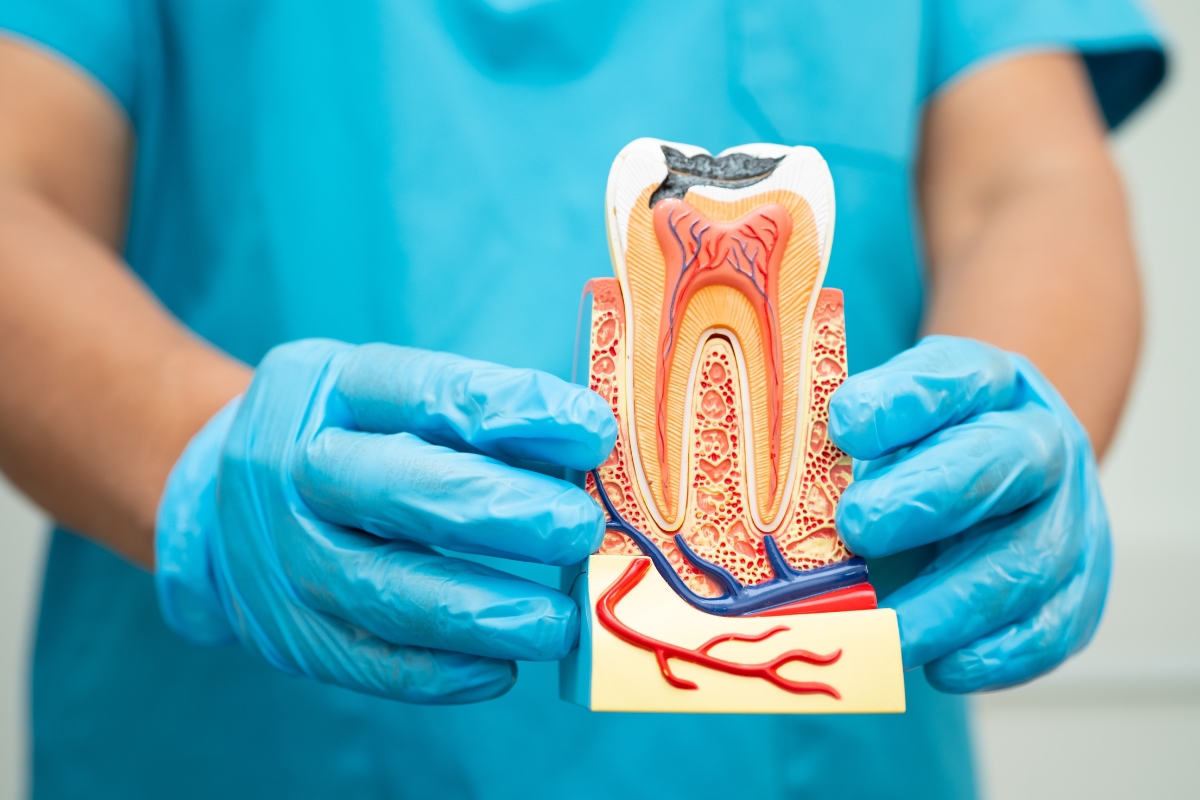
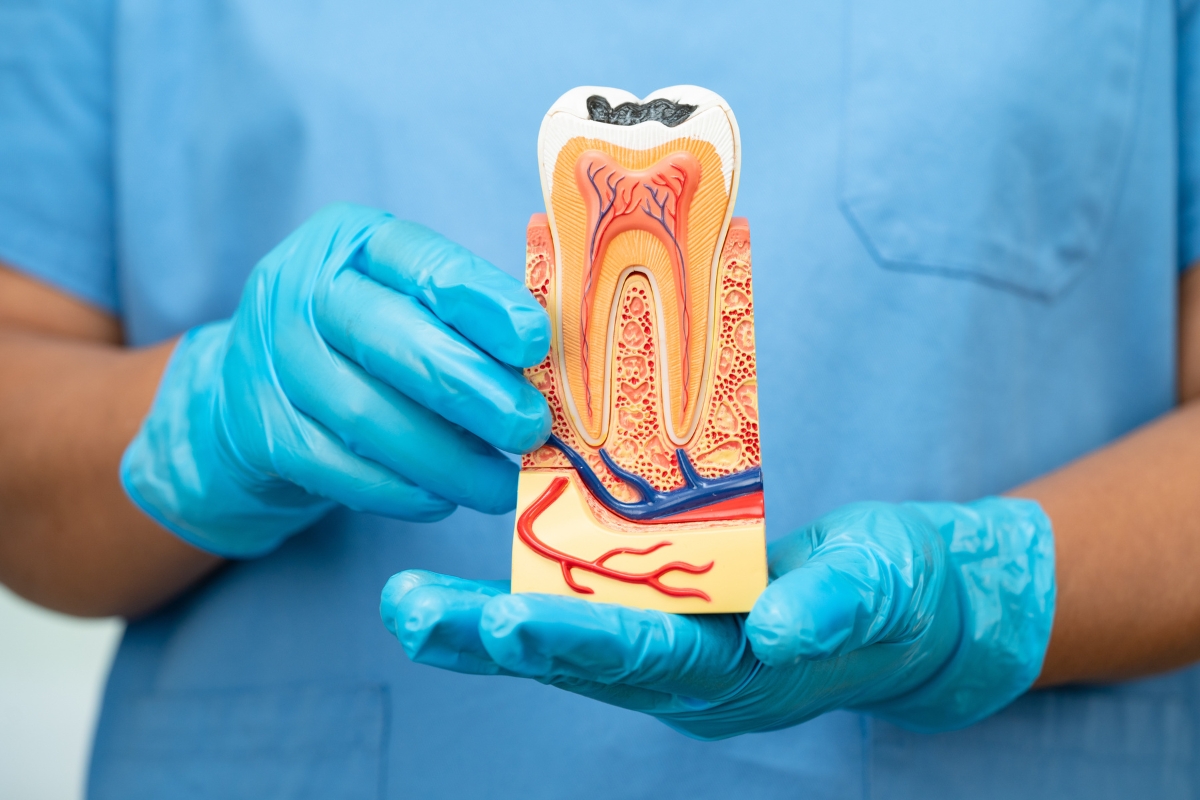
Inside every tooth is a soft tissue called pulp. The pulp contains nerves, blood vessels, and connective tissue. When deep decay, trauma, or cracks allow bacteria to enter the pulp, inflammation and infection can develop.
During the procedure, the infected tissue is carefully removed. The internal chamber is cleaned and disinfected before being sealed to prevent future contamination.
The tooth remains in place and can continue functioning for many years after proper restoration.
What Problems Can This Procedure Treat?
Endodontic therapy is commonly recommended when the pulp becomes damaged or infected.
Some common situations include:
- Deep tooth decay
- Cracked or fractured teeth
- Repeated dental procedures on the same tooth
- Dental trauma from sports or accidents
- Severe infection affecting the pulp
Ignoring these issues often allows the infection to spread further, increasing discomfort and reducing the chances of preserving the tooth.
Is a Root Canal Better Than Removing the Tooth?
Many patients wonder about the difference between a root canal and a tooth extraction.
While extraction may seem like a quick solution, it creates additional challenges. When a tooth is lost, additional treatment may be needed to restore your smile’s appearance, stability, and chewing ability.
Preserving the original tooth often offers several advantages:
Maintains Natural Function
Natural teeth generally provide the most efficient chewing ability and bite stability.
Helps Preserve Bone Structure
The tooth root continues stimulating the jawbone, reducing the risk of bone loss.
Prevents Tooth Movement
Adjacent teeth are less likely to drift out of position when the original tooth remains intact.
Reduces Future Treatment Needs
Keeping the tooth can eliminate the need for more complex restorative procedures.
For many patients, these factors make preservation the preferred approach whenever clinically possible.
How Root Canals Save Teeth for the Long Term
The goal of treatment is not simply to eliminate pain. The objective is to eliminate the infection while preserving the tooth’s natural structure.
This is another example of how root canals save teeth that have been severely damaged by decay or injury. Once the infected tissue is removed and the tooth is properly restored, many treated teeth continue functioning for decades.
At this stage, patients often realize that preserving the original tooth provides benefits that extend far beyond immediate pain relief.
Early Treatment Improves Success Rates
Seeking care promptly often increases the likelihood of preserving the tooth.
Waiting too long can allow infection to spread deeper into surrounding tissues and may limit available treatment options.
What Are the Benefits of Root Canal Therapy?
The benefits of root canal therapy extend beyond simply addressing infection.
Patients often experience improvements in comfort, function, and overall oral health.
Some of the most important advantages include:
- Preserving the natural tooth structure
- Eliminating infection from within the tooth
- Restoring comfortable chewing function
- Protecting surrounding teeth
- Supporting long-term oral health
- Preventing unnecessary extraction
These outcomes help explain why endodontic care remains a widely recommended solution for compromised teeth.
How Do You Know If You Need Endodontic Treatment?
Not every toothache requires this procedure. However, certain symptoms may indicate infection inside the tooth.
Watch for signs such as:
Persistent Tooth Pain
Pain that lingers or worsens may indicate pulp inflammation.
Sensitivity to Temperature
Discomfort that continues after consuming hot or cold foods can signal internal damage.
Swelling Around the Tooth
Swelling in the gums may indicate infection.
Tooth Discoloration
A darkened tooth sometimes suggests trauma or pulp damage.
Tenderness While Chewing
Pressure-related pain can occur when infection affects the inner structures of the tooth.
If these symptoms appear, seeking evaluation promptly can improve the chances of preserving the tooth.
Advanced Endodontic Care Close to Home
Residents of Lubbock, Wolfforth, Levelland, Shallowater, Plainview, and nearby Texas communities often seek treatment to avoid losing a tooth.
Modern endodontic technology allows clinicians to diagnose problems more accurately and perform treatment with greater precision.
At Maupin Steffensen Endodontics, patients receive focused care designed to address complex tooth infections while preserving natural dentition whenever possible. As Dr. Maupin often explains to patients, protecting a natural tooth is frequently the most conservative long-term solution when conditions allow.
The ability to preserve a tooth rather than replace it remains one of the most valuable outcomes in modern dentistry.
Protect Your Smile Before Extraction Becomes Necessary
Many teeth once considered hopeless can now be preserved through advanced endodontic procedures. Acting early often provides the greatest opportunity for successful treatment and long-term function.
Understanding how root canals save teeth can help patients make informed decisions when facing infection or severe tooth damage. When performed at the appropriate time, treatment can eliminate infection, relieve discomfort, and preserve the natural tooth for years to come.
If you are experiencing persistent tooth pain, sensitivity, swelling, or signs of infection, schedule an evaluation with us. Dr. Maupin and the team proudly serve Lubbock and nearby Texas communities with advanced care focused on preserving natural teeth whenever possible.
Frequently Asked Questions
Can a treated tooth last for many years?
Yes. With proper restoration and routine dental care, many treated teeth remain functional for decades. Schedule an evaluation to learn about your specific situation and treatment options.
Is the procedure painful?
Modern techniques focus on patient comfort. Most people report that treatment feels similar to receiving a routine filling. Visit the dental office to discuss any concerns before treatment.
What happens if I delay treatment?
Delaying care may allow infection to spread and increase the risk of losing the tooth. An early examination can help determine the most appropriate next steps.
How long does recovery take?
Most patients return to normal activities within a day. Your dental provider will explain any temporary precautions and help ensure a smooth recovery process.
Can every damaged tooth be saved?
Not every tooth can be preserved, but many can be treated successfully when addressed early. Schedule a consultation to determine whether preservation remains a viable option.