

By Maupin Steffensen Endodontics | July 21, 2026
Someone mentions they need a root canal, and you can almost predict the reaction. A wince, maybe a sympathetic “ouch,” and a story about a friend’s cousin who had a terrible experience twenty years ago. It’s one of those procedures that’s earned a reputation it honestly doesn’t deserve anymore.
If you’ve been told you need root canal therapy and you’re already dreading it, take a breath. Most of what people believe about this procedure is outdated, exaggerated, or flat-out wrong. Let’s clear up the confusion so you can walk into your appointment feeling informed instead of anxious.
Myth #1: Root Canals Are Extremely Painful
This is easily the most common myth out there, and it’s rooted in old information. Decades ago, before modern anesthesia and techniques improved, procedures like this were genuinely uncomfortable.
Today, that’s simply not the case. Most patients say the experience feels similar to getting a routine filling. The local anesthesia numbs the area completely, and any root canal pain people associate with the procedure is usually coming from the infected tooth beforehand, not the treatment itself.
In fact, the whole point of the procedure is to relieve the pain that’s already there.
Myth #2: It’s Better to Just Pull the Tooth
Some people assume extraction is the easier, cheaper option. On the surface, that might seem true, but it often creates more problems down the line.
Here’s why saving your natural tooth usually makes more sense:
- Neighboring teeth can shift once a gap appears
- Chewing and bite alignment can be affected
- Replacing a missing tooth with an implant or bridge is often more expensive than root canal treatment
- Your natural tooth still functions better than most replacements
Endodontists specialize in saving natural teeth whenever possible, because your own tooth almost always outperforms an artificial replacement.
Myth #3: Root Canal Therapy Causes Illness
This myth has circulated for years, based on outdated and widely discredited research from the early 1900s. Modern dental science has thoroughly debunked the idea that treated teeth cause disease elsewhere in the body.
Reputable medical and dental organizations have reviewed this claim repeatedly, and there’s no credible evidence supporting it. What root canal therapy actually does is remove infected or inflamed tissue from inside the tooth, which helps prevent infection from spreading, not cause it.
Myth #4: You Only Need One Visit and You’re Done Forever
Treatment itself is often completed in one or two visits, but that’s not quite the end of the story. After the procedure, most teeth need a crown to protect them from future damage, since the tooth becomes more brittle without its inner tissue.
Skipping this step is one of the most common reasons treated teeth run into trouble later. A properly restored tooth, on the other hand, can last a lifetime with regular care.
Myth #5: Healthy Teeth Never Need Root Canals
Sometimes people assume that only teeth with visible cavities need this kind of treatment. In reality, a tooth can need root canal therapy due to:
- A crack that isn’t visible to the naked eye
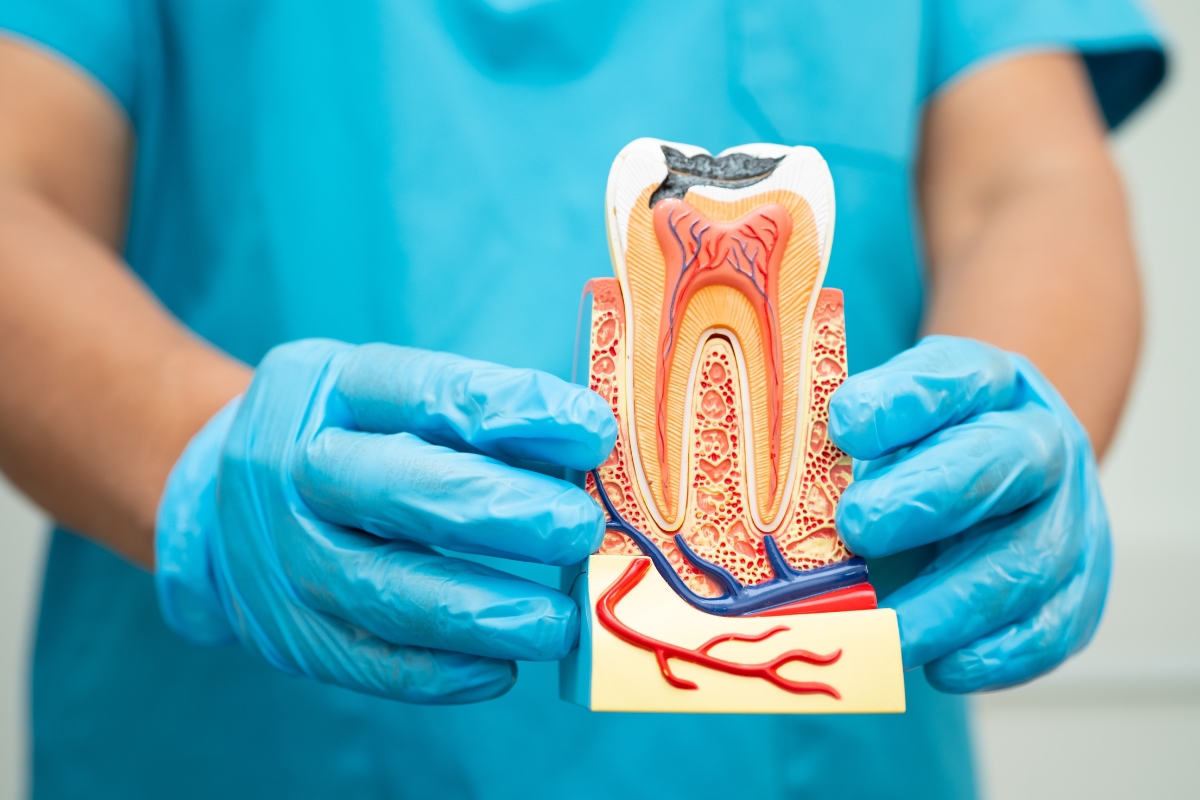
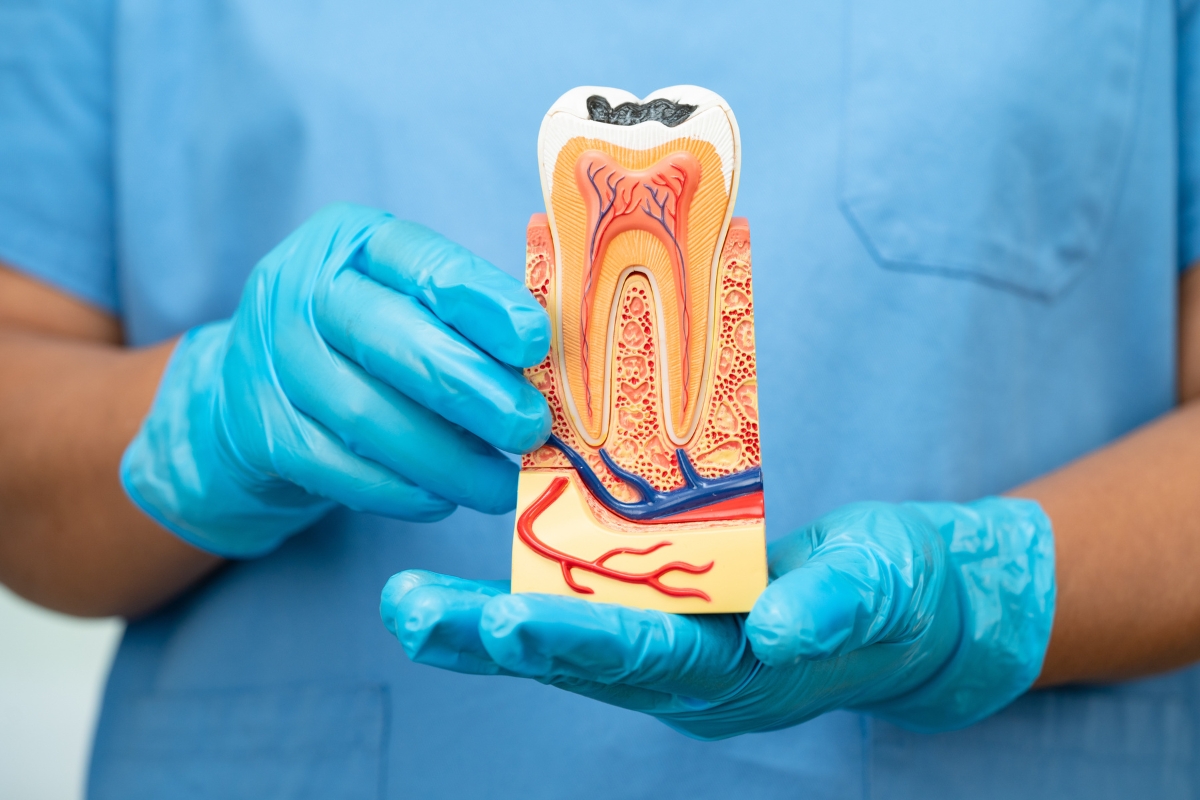
- Deep decay that’s reached the inner pulp
- Trauma from an injury, even years earlier
- Repeated dental procedures on the same tooth
This is exactly why routine checkups matter. Sometimes internal damage isn’t obvious until it starts causing symptoms, and an evaluation from a specialist is the best way to catch it early.
What the Root Canal Procedure Actually Involves
Understanding the steps can take a lot of the mystery, and anxiety, out of the process. Generally, it looks like this:
- Numbing the area – So you’re comfortable throughout.
- Removing infected or damaged tissue – Clearing out the inner pulp of the tooth.
- Cleaning and shaping the canal – Preparing it to be sealed properly.
- Filling and sealing the tooth – Preventing future infection.
- Placing a crown – Usually scheduled shortly after, to protect the tooth long-term.
Most patients are surprised by how straightforward and manageable the whole appointment feels once they understand what’s happening at each stage.
Why Seeing a Specialist Matters
While general dentists can perform this procedure, more complex cases are often referred to an endodontist, someone who specializes specifically in this area of dental care. Their advanced training and equipment can make a real difference, especially for trickier cases involving curved canals or retreatment.
If you’re facing this kind of treatment and want the process handled with precision and care, root canal treatment performed by a specialist can offer both comfort and peace of mind.
Ready to Put Your Worries to Rest?
If a root canal is on your radar, there’s no need to let old myths add unnecessary stress to the process. With modern techniques and an experienced team, treatment is far more comfortable than most people expect. Reach out to Maupin Steffensen Endodontics to schedule a consultation and get the clarity, and relief, you deserve.
Frequently Asked Questions
Is a root canal more painful than a filling?
Most patients report that a root canal feels very similar to getting a filling. Modern anesthesia keeps the area numb throughout the entire procedure.
How long does root canal recovery take?
Most people return to normal activities within a day or two. Mild soreness is common but usually manageable with over-the-counter pain relief.
Can a tooth be saved without a root canal?
In some early cases, a filling may be enough, but once infection reaches the inner pulp, root canal treatment is typically necessary. Extraction is usually a last resort.
Do root canals really take multiple visits?
Many root canals are completed in just one or two visits. A separate appointment is usually needed afterward to place a permanent crown.
Is it true that root canals can cause other health problems?
No, this claim has been thoroughly debunked by modern dental research. Root canal therapy removes infection rather than causing it.