
“Can this go away on its own?”
It’s a question many patients ask when a tooth starts hurting—especially when life is busy and it feels easier to wait and see. In Lubbock, where schedules fill up quickly with work, family, and daily responsibilities, it’s common to hope that discomfort will settle down without treatment.
But when pain is caused by an infection inside the tooth, the situation is different from many other health concerns. The body has limited ability to heal infection within the inner structure of a tooth. Understanding why that happens can help you make more informed, confident decisions about your dental health—and whether a root canal treatment may be necessary to preserve your natural tooth.
What Happens When a Tooth Becomes Infected?
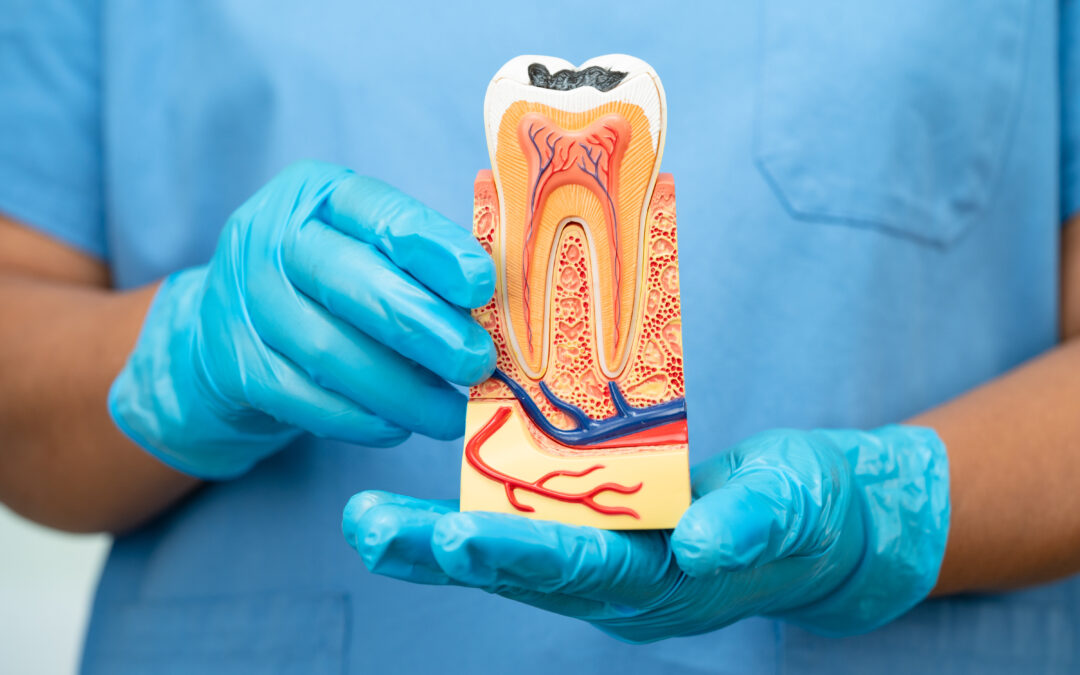
Inside every tooth is a soft tissue called the pulp. This area contains nerves and blood vessels that help the tooth develop and stay nourished. When bacteria enter the pulp—often due to deep decay, cracks, or trauma—it can lead to infection.
Unlike other parts of the body, the inside of a tooth is enclosed and does not have a direct blood supply once fully developed. That means your immune system cannot effectively reach and eliminate bacteria in this space.
As a result, the infection tends to remain trapped inside the tooth. Over time, pressure builds, inflammation increases, and symptoms such as pain or sensitivity may begin to appear.
Can an Infected Tooth Heal Without Treatment?
The short answer is no—an infected tooth cannot heal on its own.
While symptoms may temporarily improve, the underlying infection typically remains. This can create a false sense of relief, leading patients to believe the problem has been resolved when it has not.
Here’s why:
- The bacteria inside the tooth continue to exist
- The source of infection is not removed
- The body cannot access and clear the infection effectively
In some cases, the nerve inside the tooth may eventually stop responding, which can reduce pain. However, this does not mean healing has occurred—it often means the infection has progressed further.
What Happens If You Delay Treatment?
Delaying care for an infected tooth can allow the condition to worsen over time.
In the early stages, discomfort may come and go. But as the infection spreads, symptoms can become more persistent and severe. In some cases, a pocket of pus—known as an abscess—may form near the root of the tooth.
Potential consequences of delaying treatment include:
- Increasing pain or pressure
- Spread of infection to surrounding tissue
- Swelling in the gums or face
- Damage to nearby teeth or bone
- Eventual loss of the natural tooth
Even if symptoms feel manageable at first, the infection itself does not resolve without proper care.
Signs That an Infection Needs Attention
Not all tooth discomfort means infection, but certain symptoms are strong indicators that something deeper may be happening.
Common signs include:
- Persistent or severe tooth pain
- Sensitivity to hot or cold that lingers
- Pain when chewing or applying pressure
- Swelling in the gums or around the tooth
- Darkening or discoloration of the tooth
If you notice any of these symptoms, it’s a good idea to have the area evaluated rather than waiting for it to improve on its own.
How Root Canal Treatment Helps Save Your Tooth
A root canal is designed to treat infection at its source—inside the tooth.
During the procedure, the infected pulp is carefully removed, and the inner space is cleaned and disinfected. The tooth is then sealed to prevent further infection.
Despite common misconceptions, modern root canal procedures are typically comfortable and similar in experience to receiving a filling. The goal is not to cause pain, but to relieve it.
Key benefits include:
- Eliminating the source of infection
- Reducing or resolving pain
- Preserving your natural tooth structure
- Restoring normal function
Saving the natural tooth is often the preferred outcome whenever possible, as it helps maintain proper alignment and long-term oral health.
Why Early Care Makes a Difference
Addressing an infection early can significantly improve outcomes.
When treatment is performed before the infection spreads extensively, the process is often simpler and more predictable. Early care can also reduce the risk of complications and help preserve more of the natural tooth.
Benefits of timely evaluation include:
- Less extensive treatment
- Faster recovery
- Lower risk of infection spreading
- Greater likelihood of saving the tooth
Waiting too long can limit treatment options and may lead to more complex procedures.
How Endodontists Evaluate Tooth Infections
When you visit an endodontist, the focus is on identifying the exact source of your symptoms and determining the most conservative way to treat it.
Evaluation typically includes:
- A careful review of your symptoms and dental history
- Clinical examination of the tooth and surrounding tissues
- Imaging, such as digital X-rays, to assess the extent of infection
- Testing to determine pulp vitality and pain response
This process helps ensure that treatment is appropriate and tailored to your specific condition. The goal is always to preserve natural teeth whenever possible while addressing the root cause of discomfort.
When to Consider Talking to a Specialist
If you’ve been dealing with ongoing tooth discomfort or symptoms that come and go, it may be helpful to have a conversation about what’s happening beneath the surface.
Understanding the cause of your symptoms can bring clarity and peace of mind. In many cases, early evaluation can help prevent more complex issues later.
If you’d like to explore your symptoms further or understand your options, you can schedule an appointment or visit our Lubbock endodontic practice to speak with a team that focuses on comfortable, patient-first care.
FAQs
Can a tooth infection go away on its own?
No, a tooth infection does not resolve without treatment. While symptoms may temporarily improve, the underlying infection remains and can worsen over time.
Why does tooth pain sometimes disappear temporarily?
Pain may decrease if the nerve inside the tooth becomes less responsive. However, this often indicates progression of the infection—not healing.
Is a root canal painful?
Modern root canal treatment is generally comfortable and similar to getting a filling. The procedure is intended to relieve pain, not cause it.
How urgent is treatment for an infected tooth?
While it may not always feel urgent right away, delaying treatment can allow the infection to spread. Early evaluation is recommended to prevent complications.
Can antibiotics fix a tooth infection permanently?
Antibiotics may help manage symptoms temporarily, but they do not eliminate the source of infection inside the tooth. Definitive treatment is needed to fully resolve the issue.