
By Maupin Steffensen Endodontics | February 27, 2026
“I’ve heard root canals are painful.”
“I don’t know what they actually do during the procedure.”
“My dentist referred me to a specialist — what does that mean?”
These are common concerns we hear from patients who need root canal care here in the Lubbock area. Most people aren’t worried about the treatment itself — they’re worried about the unknown.
The goal of a root canal treatment is simple: remove infection, relieve discomfort, and preserve your natural tooth. When done carefully and precisely, it’s a predictable procedure focused on comfort and long-term oral health.
If you’ve been referred to an endodontist or are exploring options for tooth pain, understanding each step can make the experience feel much more manageable.
Why a Root Canal Is Needed
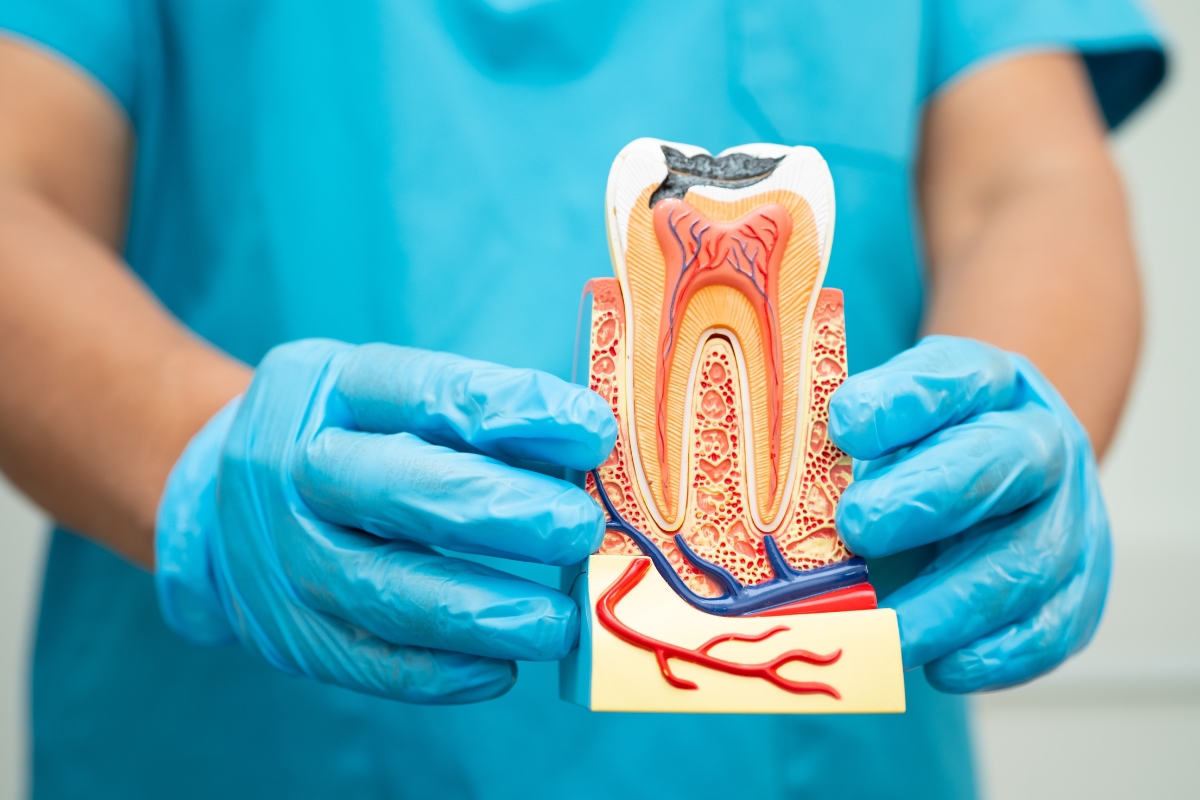
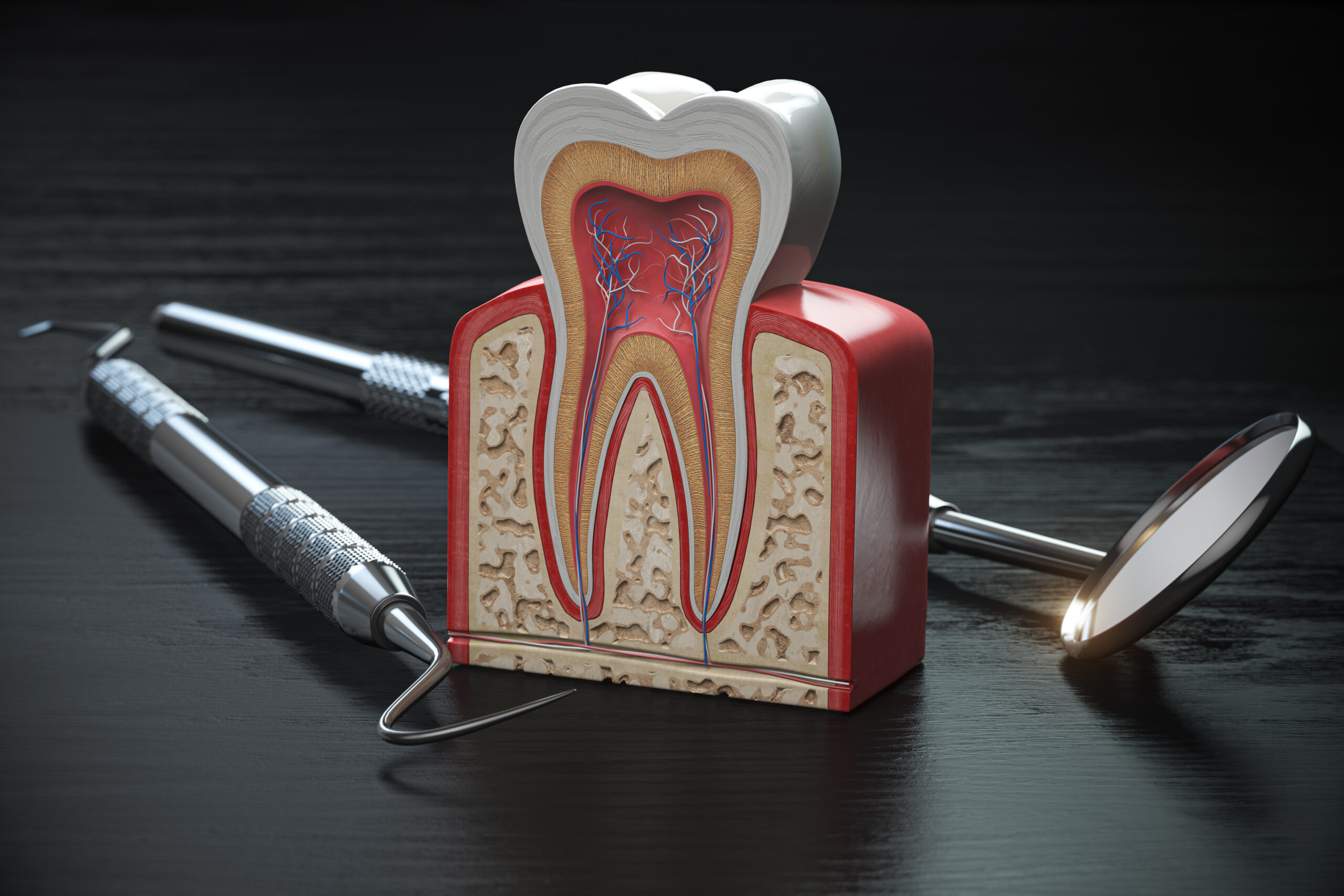
Inside every tooth is soft tissue called the pulp. This contains nerves and blood vessels. When that tissue becomes inflamed or infected — often due to deep decay, cracks, trauma, or repeated dental procedures — it can cause:
- Persistent toothache
- Sensitivity to hot or cold that lingers
- Pain when chewing
- Swelling or tenderness around the gums
The purpose of treatment is to remove the inflamed tissue, clean the internal space, and seal it to prevent further infection — all while keeping your natural tooth intact. Preserving your own tooth helps maintain normal biting function and prevents shifting of surrounding teeth.
Step 1: Numbing and Comfort
Comfort is always the first priority.
Before the procedure begins, local anesthesia is administered to fully numb the area. Most patients are surprised to find that the sensation is very similar to having a filling done. You may feel pressure or movement, but you should not feel sharp pain.
For patients who feel anxious — whether they’re busy professionals, parents balancing school schedules, or part of the Texas Tech community with full calendars — knowing that modern endodontic care is designed around comfort often brings reassurance.
Step 2: Accessing the Inside of the Tooth
Once the tooth is numb, a small opening is made through the top of the tooth to access the inner chamber.
Using specialized instruments, the inflamed or infected pulp tissue is gently removed. The internal canals are carefully cleaned and shaped to prepare them for sealing. This step is precise but methodical — it’s about removing bacteria and creating a clean environment inside the tooth.
Advanced magnification, such as a surgical operating microscope, allows us to see details that aren’t visible to the naked eye, which improves accuracy and efficiency.
Step 3: Disinfecting and Sealing the Canals
After cleaning, the canals are disinfected thoroughly. The goal here is to eliminate remaining bacteria and reduce the chance of reinfection.
The canals are then filled with a biocompatible material that seals the space. This prevents bacteria from re-entering and restores internal stability to the tooth structure.
The opening in the top of the tooth is sealed with a temporary filling until you return to your general dentist for final restoration.
Step 4: Protecting the Tooth After Treatment
In most cases, especially for back teeth, a crown is recommended after root canal care. A crown strengthens and protects the tooth from fracture over time.
Your general dentist will place the final restoration. This partnership between your general dentist and endodontist ensures both the internal health and structural integrity of the tooth are addressed.
For many patients in Lubbock — including those commuting from surrounding communities — coordinating care efficiently helps minimize disruption to daily life.
How Long the Procedure Takes
Many root canal procedures are completed in one visit. More complex cases may require two appointments.
Factors that influence timing include:
- The number of canals in the tooth
- The presence of infection
- The tooth’s anatomy
On average, appointments last between 60 and 90 minutes. Most patients return to work or normal activities the same day or the following day.
What Recovery Feels Like
After treatment, mild soreness is common for a few days. This is typically related to inflammation in the surrounding tissues, not the procedure itself.
Over-the-counter anti-inflammatory medication is usually sufficient for comfort. Biting tenderness may occur temporarily but improves steadily.
You should contact the office if you experience:
- Increasing swelling
- Persistent severe pain
- An uneven bite sensation
Otherwise, recovery is generally straightforward.
Why Seeing an Endodontist Makes a Difference
Endodontists complete additional years of advanced training focused specifically on diagnosing and treating tooth pain and performing root canal procedures.
This specialized focus includes:
- Advanced understanding of complex tooth anatomy
- Use of surgical operating microscopes for magnification
- 3D imaging technology for precise diagnosis
- Experience performing these procedures routinely
Because root canal therapy is the primary focus of our practice at 6010 82nd St. Suite 300, care is centered on precision, efficiency, and patient comfort.
When patients are referred for specialized root canal care in Lubbock, it’s typically because their general dentist wants them to receive treatment from someone who performs these procedures every day.
Considering Treatment
If you’ve been advised that you may need root canal care, it’s reasonable to have questions. Understanding the process can reduce anxiety and help you make informed decisions about your dental health.
If you would like to speak with our team or arrange a consultation, you may schedule an appointment at a time that works for you. We’re here to provide clarity, careful evaluation, and thoughtful care — without pressure.
FAQs
Is a root canal painful?
With modern anesthesia techniques, most patients report the experience feels similar to receiving a filling. The procedure is designed to relieve pain, not cause it.
How long does the procedure take?
Many cases are completed in one visit lasting about 60–90 minutes. More complex teeth may require additional time.
Will I need a crown afterward?
In most cases, especially for back teeth, a crown is recommended to protect the tooth and restore full function.
How long does a treated tooth last?
With proper restoration and good oral hygiene, a treated tooth can last many years — often as long as your natural teeth.
Can I drive myself home after treatment?
Yes. Since local anesthesia is used, most patients are able to drive themselves home and resume normal activities shortly afterward.