
By Maupin Steffensen Endodontics | May 15, 2026
That first sip of coffee after a root canal can make people nervous. So can the thought of eating dinner later that evening. Many patients leave their appointment wondering if normal eating will damage the treated tooth or slow healing.
The good news is that recovery is usually straightforward when you know what your tooth needs during the first few days. According to the Centers for Disease Control and Prevention, untreated cavities and deep dental infections remain common among adults in the United States, which is why RCT continues to play an important role in saving natural teeth and relieving pain.
However, can you eat and drink after a root canal without causing discomfort or damaging the tooth? The answer is yes, but timing and food choices matter more than most people realize.
At Maupin Endodontics, patients receive specialized endodontic care focused on relieving pain while preserving natural teeth. Dr. Charles Maupin, a Diplomate of the American Board of Endodontics, uses advanced technology and specialized endodontic training to help patients feel comfortable throughout treatment and recovery. Many of the recovery recommendations below reflect the same practical guidance patients commonly receive after treatment at the practice.
Why Your Tooth Feels Sensitive After A Root Canal
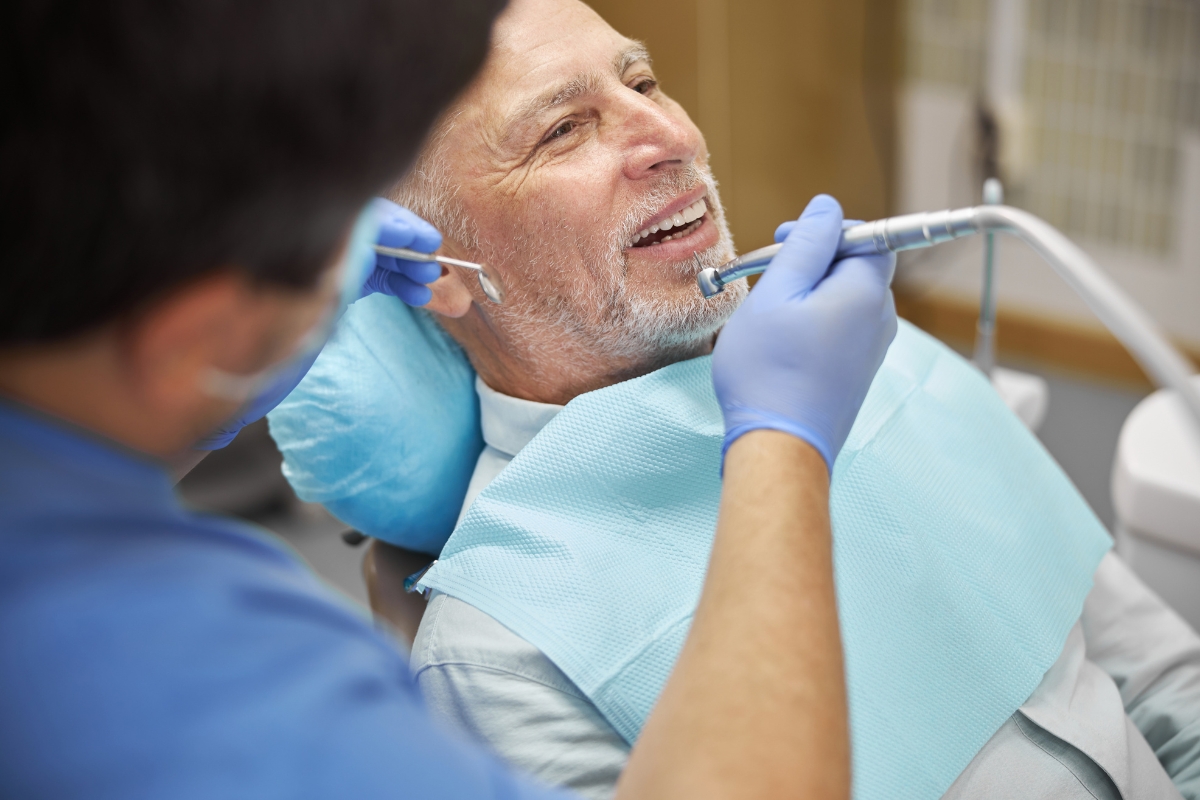
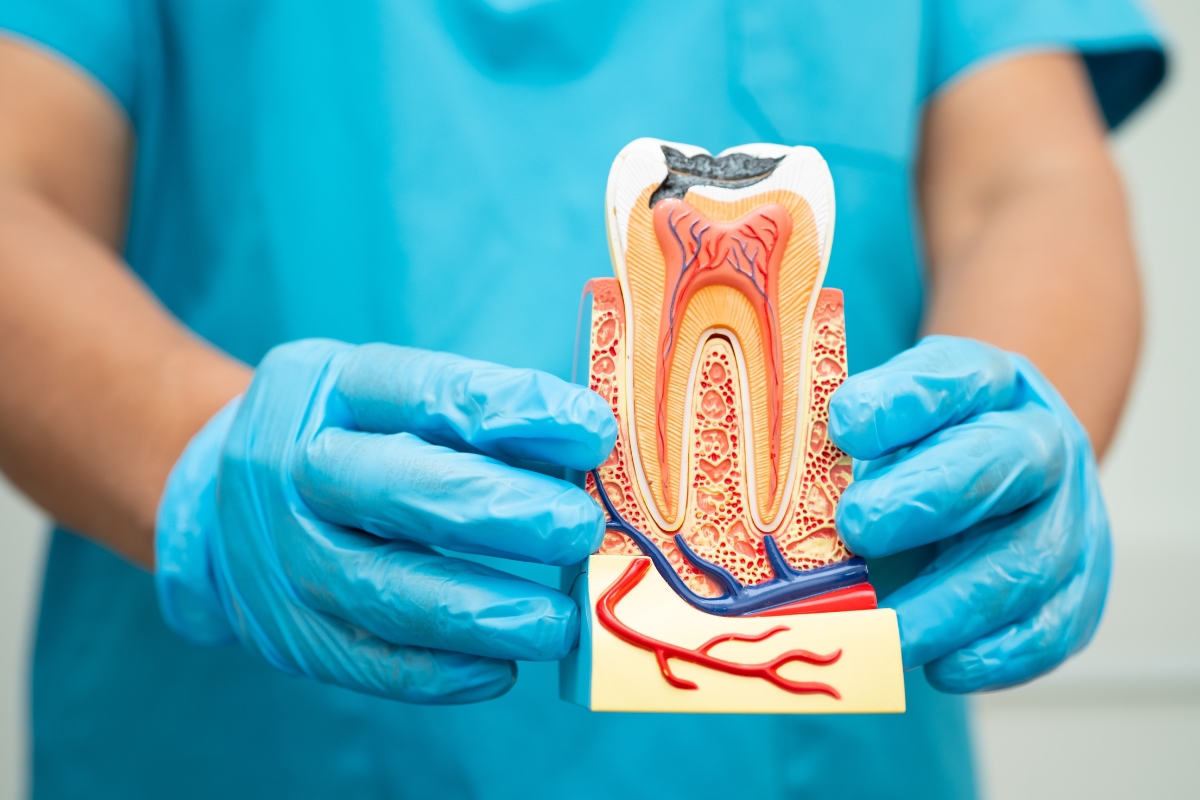
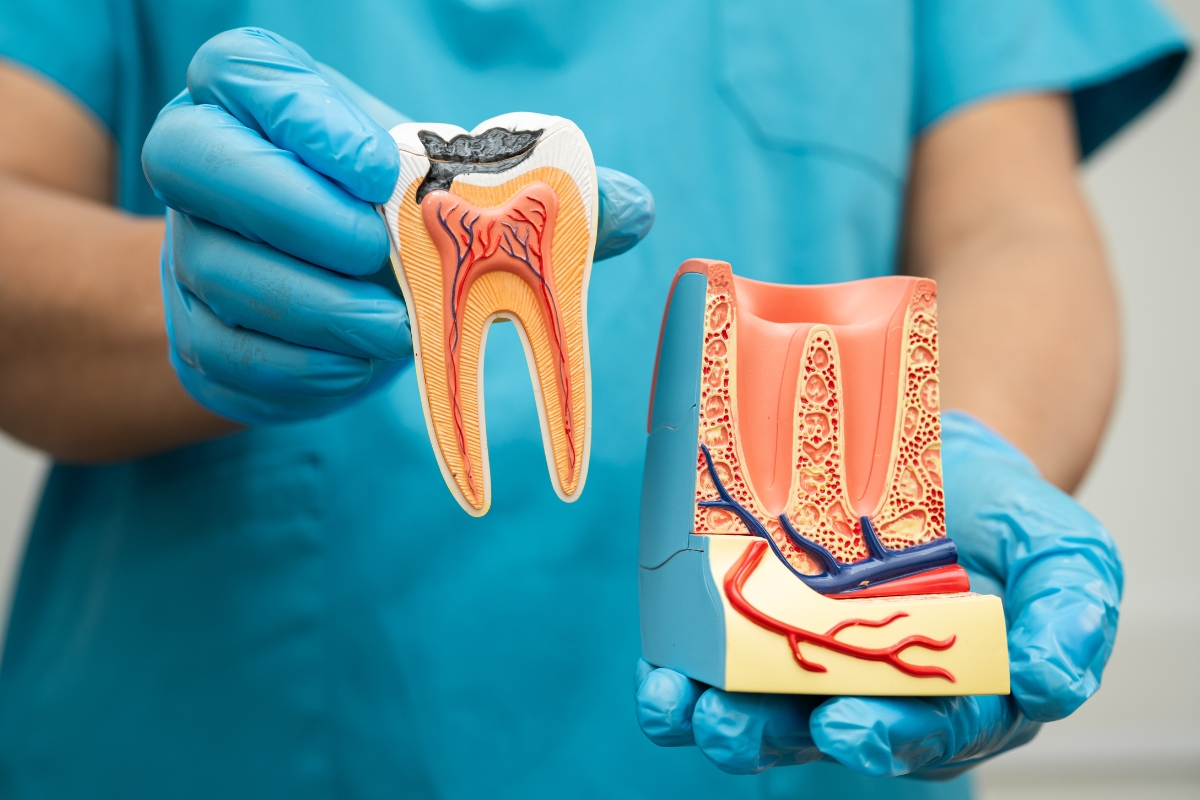
This procedure removes infected or inflamed tissue from inside the tooth. While the source of pain is treated during the procedure, the surrounding tissues still need time to calm down afterward.
This temporary inflammation explains why some patients notice:
- Mild soreness while chewing
- Tenderness near the gums
- Pressure sensitivity
- Minor jaw stiffness
- Sensitivity to very hot or cold foods
These symptoms usually improve gradually over several days.
Why You Should Wait Before Eating
After treatment, your mouth may remain numb for several hours because of local anesthesia. Eating too soon increases the chance of accidentally biting your cheek, tongue, or lips.
Waiting until full feeling returns also helps protect the temporary restorative material placed on the tooth before the final restoration.
Most patients can safely eat once:
- Numbness completely wears off
- They can chew comfortably
- Bleeding or irritation has stopped
For many people, this takes about two to four hours.
Which Foods Help Recovery Feel Easier?
The first two days after treatment are when food choices matter most. Soft foods reduce pressure on the treated tooth and help minimize irritation.
Patients in Lubbock often try returning to normal eating too quickly because the procedure itself feels easier than expected. However, chewing hard foods immediately afterward can create avoidable discomfort.
Best Foods To Eat After Treatment
Soft foods are typically safest during the early healing period.
Recommended options include:
- Mashed potatoes
- Applesauce
- Scrambled eggs
- Yogurt
- Soup that is not too hot
- Oatmeal
- Pasta
- Rice
- Soft-cooked vegetables
- Smoothies without seeds
These foods place less pressure on sensitive tissues while still helping you stay nourished.
Foods That Can Cause Problems
Certain foods increase the risk of irritation or damage during recovery.
Avoid:
- Popcorn
- Nuts
- Chips
- Ice
- Hard candy
- Sticky caramel
- Gum
- Crunchy bread crusts
Hard chewing pressure can sometimes crack a temporary filling or increase soreness around the treated tooth.
Why Chewing On The Opposite Side Helps
If your treated tooth still has a temporary restoration, chewing on the opposite side of your mouth reduces stress on the tooth while it heals.
This becomes especially important for molars because they absorb significant chewing pressure throughout the day.
What Should You Drink After A Root Canal?
Hydration supports healing, but certain drinks feel more comfortable than others during recovery.
Many patients search online for ‘what to drink after root canal treatment’ because they worry about triggering pain or sensitivity.
Best Drinks During Recovery
The safest beverages usually include:
- Water
- Milk
- Protein shakes
- Smoothies
- Electrolyte drinks with low sugar
- Herbal tea that is warm rather than extremely hot
Water remains the best overall option because it keeps the mouth clean and reduces dryness without irritating sensitive areas.
Drinks You Should Avoid Initially
Some beverages can increase irritation temporarily.
Limit:
- Alcohol
- Carbonated drinks
- Very hot coffee
- Acidic juices
- Energy drinks
- Extremely cold beverages if sensitivity occurs
Alcohol may also interfere with medications sometimes prescribed after treatment.
Can You Drink Using a Straw After a Root Canal?
Most patients ask this question, especially because straws are often discouraged after tooth extractions.
Unlike extraction recovery, root canal treatment usually does not leave an exposed surgical socket. Using a straw is not always prohibited. However, strong suction can sometimes increase tenderness during the first day.
Many patients simply find drinking directly from a cup more comfortable initially.
How Long Before You Can Eat Normally Again?
Most patients gradually return to normal eating within a few days. Recovery depends on:
- The severity of the original infection
- The location of the tooth
- Existing inflammation
- Your overall oral health
Even if discomfort improves quickly, patients should still avoid chewing directly on the treated tooth until the final restoration is completed if a temporary filling remains in place.
Signs Your Recovery Is Progressing Normally
Mild symptoms are common after treatment.
Normal healing may include:
- Slight pressure sensitivity
- Mild soreness
- Minor gum tenderness
- Temporary jaw discomfort
These symptoms should improve steadily each day.
Symptoms That Should Not Be Ignored
You should contact your provider if you notice:
- Significant swelling
- Fever
- Severe pain that worsens
- Difficulty swallowing
- A broken temporary filling
- Persistent numbness
- Drainage or unusual taste
Prompt evaluation helps prevent complications and protects the treated tooth.
Why Aftercare Plays A Big Role In Long-Term Success
Root canal treatment removes infection from inside the tooth, but long-term success still depends on protecting the tooth afterward.
At our dental practice, preserving natural teeth remains a major focus of care. Carefully following recovery instructions reduces unnecessary stress on the tooth while it heals.
Good recovery habits include:
- Brushing gently twice daily
- Flossing carefully
- Avoiding chewing ice
- Keeping follow-up visits
- Completing the recommended final restoration
Recovery Is Usually Easier Than Most Patients Expect
Many people expect severe discomfort after a root canal. In reality, most patients feel significantly better once the infection inside the tooth is treated. The biggest challenges during recovery usually come from eating hard foods too early or ignoring temporary sensitivity.
If you have been wondering whether you can enjoy your meal safely after RCT, the answer is absolutely yes when you follow proper recovery instructions and give your tooth time to heal properly.
Maupin Endodontics provides specialized endodontic care using advanced technology and precise treatment techniques designed to keep patients comfortable throughout the process. If you are experiencing symptoms that may require treatment, schedule an appointment with Dr. Charles Maupin and the team today.
FAQs
How soon can I eat after a root canal?
Most patients should wait until numbness completely wears off before eating. Starting with soft foods helps protect the treated tooth and reduces irritation during the first day of healing.
Can I drink coffee after a root canal?
You can usually drink coffee after numbness fades, but extremely hot temperatures may increase temporary sensitivity. Lukewarm beverages often feel more comfortable during early recovery.
Is throbbing pain normal after a root canal?
Mild soreness or pressure sensitivity is common for several days. However, worsening pain, swelling, or severe throbbing should be evaluated by your endodontist promptly.
Can I brush my teeth after treatment?
Yes, gentle brushing and flossing help keep the area clean. Avoid aggressive pressure near the treated tooth, especially if a temporary restoration was placed during the appointment.
Why does my bite feel different after a root canal?
Temporary inflammation around the tooth can make biting feel slightly unusual for a few days. If your bite still feels uneven after recovery, contact your provider for evaluation.
Do I still need a crown after a root canal?
Many teeth require a final restoration after treatment to help protect against fractures and restore long-term strength, especially back teeth exposed to heavy chewing pressure.
How long does a treated tooth usually last?
With proper restoration and good oral hygiene, many treated teeth last for many years. Regular dental visits and avoiding excessive chewing pressure help support long-term success.