
By Maupin Steffensen Endodontics | May 22, 2026
A decayed tooth can often be saved when treatment begins early enough. The longer bacteria remain inside the tooth, the greater the risk of infection spreading into the nerve, gums, and supporting bone. Recognizing the warning signs early may help preserve your natural tooth structure before extraction becomes necessary.
Many patients ignore small symptoms because tooth decay usually starts quietly. A little sensitivity while drinking iced coffee or discomfort during dinner near Hanley Road may not seem serious initially. However, those early changes can signal deeper damage developing underneath the enamel.
Understanding how to save decaying teeth begins with identifying the earliest signs of infection before the damage becomes severe. According to the Centers for Disease Control and Prevention, untreated cavities remain one of the most common chronic health concerns affecting American adults and children.
At Maupin Steffensen Endodontics, Dr. Charles Maupin and Dr. Chris Steffensen focuses on preserving natural teeth whenever possible through early diagnosis and modern restorative care. Patients experiencing sensitivity, swelling, or visible decay should schedule an evaluation at our Lubbock office to discuss root canal care before the condition progresses further.
What Are the Early Signs of a Decayed Tooth?
Early tooth decay usually causes subtle symptoms before severe pain develops. Sensitivity, discoloration, or rough enamel often appear long before a major dental emergency occurs. Identifying these warning signs early may help prevent extensive structural damage and reduce the need for complex treatment later.
Tooth Sensitivity That Does Not Go Away
Lingering sensitivity to cold drinks, sweets, or hot foods may indicate enamel erosion or internal decay. If discomfort lasts after eating or drinking, bacteria may already be affecting deeper layers of the tooth beneath the enamel surface.
Dark Spots or Visible Discoloration
Brown, gray, or black areas on teeth often indicate progressing decay. These stains are not always surface-level discoloration. In many cases, they reflect bacterial activity occurring within weakened tooth structure that requires professional treatment to stop further deterioration.
Persistent Bad Breath or Unpleasant Taste
Decay-related bacteria release odors that regular brushing may not eliminate completely. Chronic bad breath or a persistent unpleasant taste in the mouth may signal trapped infection, especially when combined with gum inflammation or food trapping between teeth.
Pain While Chewing
Pain during chewing often develops when decay weakens the tooth structure or irritates the internal nerve. Even mild discomfort should not be ignored because cracks, cavities, or infections can worsen quickly under normal biting pressure.
Can a Decayed Tooth Be Saved?
Yes, many decayed teeth can still be saved when treatment occurs before structural damage becomes too extensive. Modern restorative dentistry allows dentists to remove infection while preserving healthy portions of the tooth whenever possible.
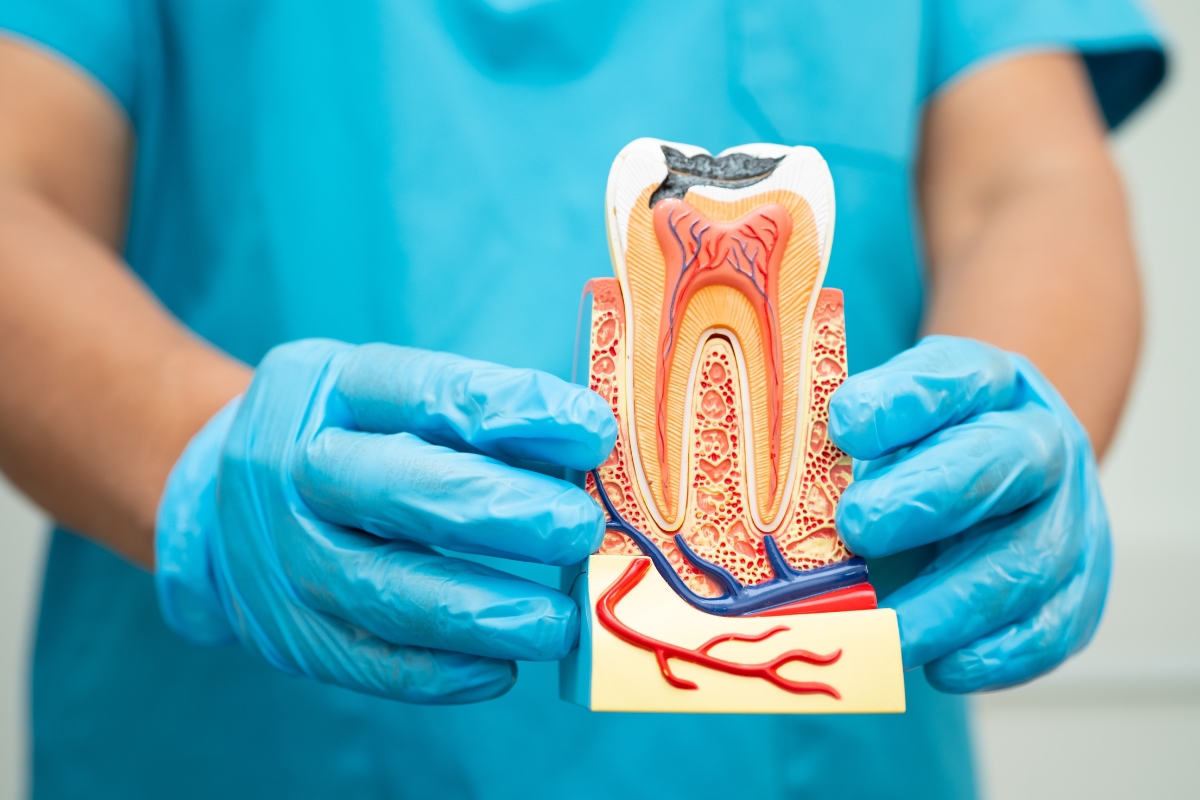
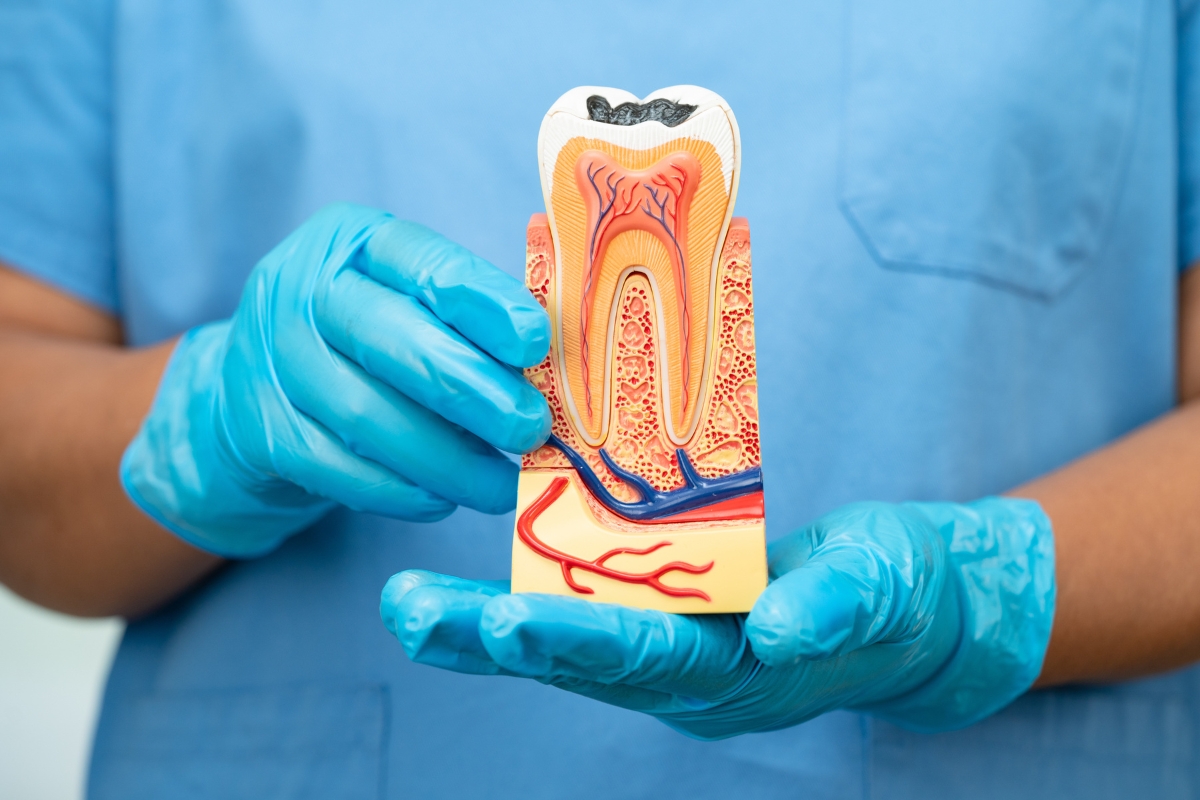
The answer to the question, “Can a decayed tooth be saved?” depends on how deeply the infection has spread. Teeth with early or moderate decay often respond well to fillings or crowns. Teeth with infected nerves may still be preserved through root canal therapy if enough healthy structure remains.
Patients who delay care for too long increase the risk of fractures, abscesses, and irreversible bone loss. Early intervention usually creates more predictable long-term outcomes.
What Treatments Help Save Decaying Teeth?
Dentists choose treatment based on the severity of decay, nerve involvement, and remaining tooth strength. Preserving natural teeth remains the primary goal whenever the tooth can function safely and comfortably after restoration.
Dental Fillings for Mild to Moderate Decay
Fillings remove infected tooth material and seal vulnerable areas to prevent further bacterial invasion. This conservative treatment works best when cavities are detected early, before decay reaches the tooth’s deeper internal structures.
Dental Crowns for Structurally Weakened Teeth
Crowns protect teeth weakened by larger cavities or fractures. By covering the remaining tooth structure, crowns help restore chewing function while reducing the risk of future cracking or structural collapse during normal daily use.
Root Canal Therapy for Infected Nerves
RCT removes infected nerve tissue inside the tooth while preserving the outer structure. Patients experiencing swelling, lingering pain, or deep sensitivity may benefit from endodontic treatment in Lubbock before extraction becomes necessary.
Periodontal Treatment for Supporting Tissues
Severe decay sometimes affects nearby gum tissue and supporting bone. Treating gum disease alongside restorative care helps improve tooth stability and reduces the risk of future complications that could threaten surrounding teeth.
Can a Loose Tooth Be Saved?
The answer varies depending on the cause. A loose adult tooth can sometimes be stabilized if the underlying cause is treated early enough. The success of treatment depends heavily on how much bone support and healthy tissue remain around the tooth. Gum disease, advanced decay, teeth grinding, and dental trauma can all weaken the structures supporting the tooth over time.
Common Reasons Teeth Become Loose
Progressive bone loss caused by untreated gum disease remains one of the leading reasons for losing teeth. Severe infections and chronic clenching habits may also damage supporting tissues gradually, even before visible symptoms become obvious.
Symptoms People Commonly Ignore
Many patients overlook small changes such as shifting teeth, bleeding gums, or pressure while chewing. These subtle changes may represent early losing teeth symptoms that require prompt dental evaluation before permanent instability develops.
How to Save Enamel on Teeth Before Decay Progresses
Protecting enamel early may help reduce the likelihood of severe cavities developing later. While enamel cannot regenerate once destroyed, early preventive care can strengthen weakened surfaces and slow further damage.
Understanding how to preserve enamel on teeth involves limiting acid exposure and consistently practicing strong oral hygiene habits throughout the day.
Limit Frequent Acid and Sugar Exposure
Frequent sipping of sodas, sports drinks, sweet coffees, or acidic beverages significantly increases enamel erosion. Many families enjoying Lubbock’s popular local restaurants and cafés may unknowingly expose their teeth to repeated acid attacks throughout the day.
Use Fluoride and Professional Preventive Care
Fluoride helps strengthen weakened enamel and slows bacterial activity that contributes to decay. Routine professional cleanings and examinations allow dentists to identify vulnerable areas before visible cavities or structural damage become more advanced.
Protect Teeth From Grinding Damage
Nighttime grinding places excessive pressure on already weakened enamel surfaces. Wearing a professionally fitted nightguard may help reduce structural stress while protecting teeth from fractures and long-term wear patterns.
What Happens When Tooth Decay Goes Untreated?
Untreated tooth decay continues to progress deeper into the tooth until the infection reaches the nerve and surrounding bone. Delayed treatment increases the likelihood of pain, swelling, abscesses, and eventual tooth loss.
Understanding the cause requires recognizing that cavities rarely stop progressing without professional care. Small areas of decay can eventually compromise nearby teeth and supporting tissues if bacteria continue spreading unchecked.
Serious Symptoms That Require Immediate Attention
Facial swelling, severe throbbing pain, fever, and pus formation may indicate advanced infection. These symptoms require immediate dental evaluation because untreated oral infections can spread into surrounding tissues and significantly affect overall health.
Why Tooth Loss Creates Additional Problems
Missing teeth affects far more than appearance alone. Tooth loss may alter bite alignment, chewing efficiency, speech clarity, and jaw stability while increasing pressure on neighboring teeth during everyday function.
Why Early Diagnosis Makes a Major Difference
Early diagnosis often determines whether treatment remains conservative or becomes surgically complex. Detecting cavities before they reach deeper structures gives dentists more opportunities to preserve healthy tooth structure and maintain long-term oral function.
Routine examinations also help identify hidden problems that patients may not notice themselves. Modern diagnostic technology allows dentists to detect small areas of damage before symptoms become severe enough to interfere with daily activities.
Protect Your Natural Teeth Before Damage Progresses Further
Tooth decay rarely improves without treatment. The sooner dental problems are diagnosed, the greater the opportunity to preserve your natural teeth and avoid more advanced restorative procedures later.
At Maupin Steffensen Endodontics, patients receive comprehensive evaluations focused on protecting long-term oral health through personalized restorative and preventive care. If you are experiencing sensitivity, swelling, discoloration, or other warning signs discussed in this article, scheduling an examination and discussing options like root canal therapy in Lubbock may help determine the most appropriate treatment for your condition.
FAQs
Can a severely decayed tooth still be treated?
Many severely decayed teeth may still be saved if enough healthy structure remains. Dentists evaluate nerve involvement, bone support, and fracture severity before determining whether restorative treatment remains predictable long-term.
How do dentists know when a tooth cannot be saved?
Dentists examine structural stability, infection spread, and surrounding bone support carefully. Teeth with severe root fractures or extensive bone destruction are often more difficult to restore successfully.
Is sensitivity always caused by tooth decay?
Sensitivity may result from enamel erosion, gum recession, grinding, or cracked teeth. A professional evaluation helps determine whether the discomfort is related to active decay or another underlying condition.
What are the earliest losing teeth symptoms?
Early warning signs often include shifting teeth, gum bleeding, chewing discomfort, or increased tooth mobility. Many patients overlook these symptoms until infection or bone loss becomes significantly more advanced.
Can enamel damage be reversed naturally?
Early enamel weakening may improve with fluoride exposure and preventive care. However, enamel lost from advanced cavities or severe erosion cannot naturally regenerate once structural damage develops.
Why do untreated cavities worsen over time?
Bacteria continue breaking down tooth structure as long as decay remains untreated. Over time, the infection may spread deeper into the tooth and surrounding tissues, increasing the risk of tooth loss.
When should tooth pain become a dental emergency?
Persistent pain, facial swelling, fever, or pus drainage may indicate serious infection. These symptoms require prompt professional evaluation to prevent complications affecting nearby tissues or overall oral health.