
By Maupin Steffensen Endodontics | April 6, 2026
It’s one of the most common questions we hear from patients after implant treatment: “When can I eat normally again?”
Whether you’re getting back to work, managing daily routines, or simply missing your favorite foods, it’s natural to want a clear timeline. Many patients searching for dental implants near me are not just thinking about replacing a tooth—they’re thinking about getting back to comfort, confidence, and normal chewing without worry.
The good news is that most people do return to normal eating. The key is understanding how healing works and giving your implant the time it needs to become strong and stable.
Understanding the Healing Process After a Dental Implant
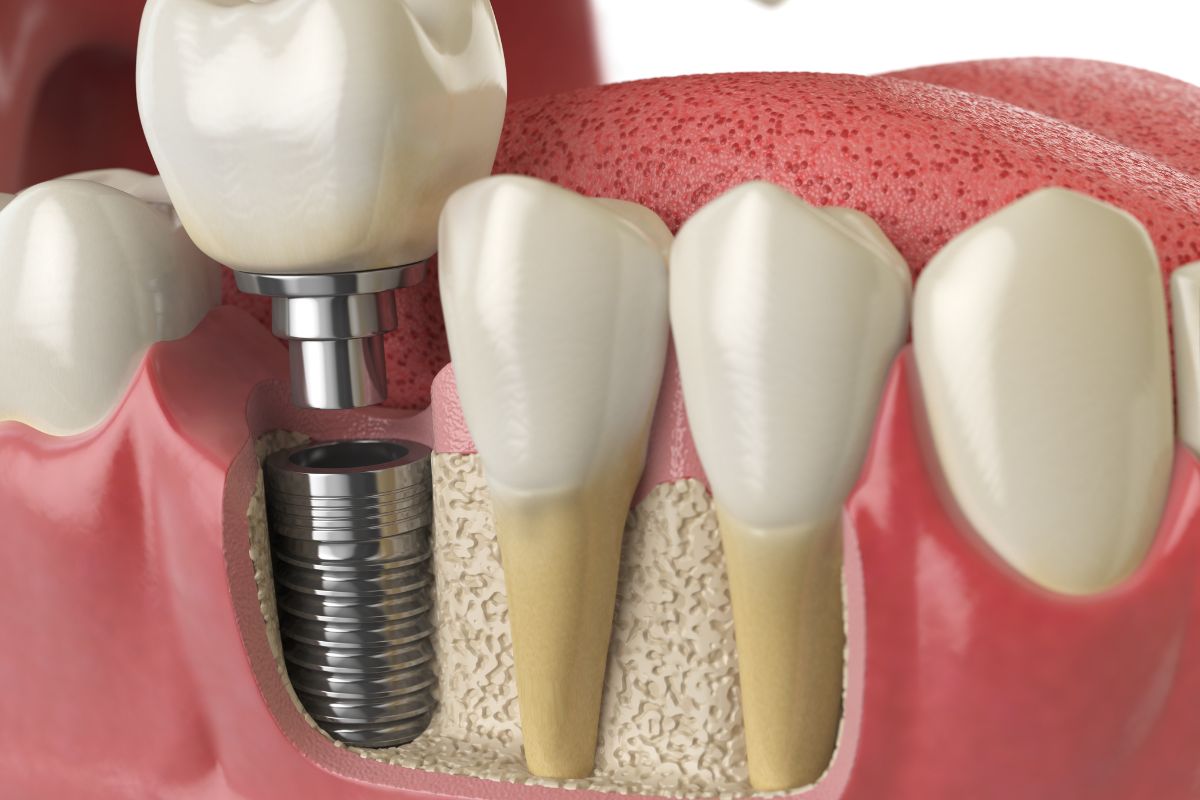
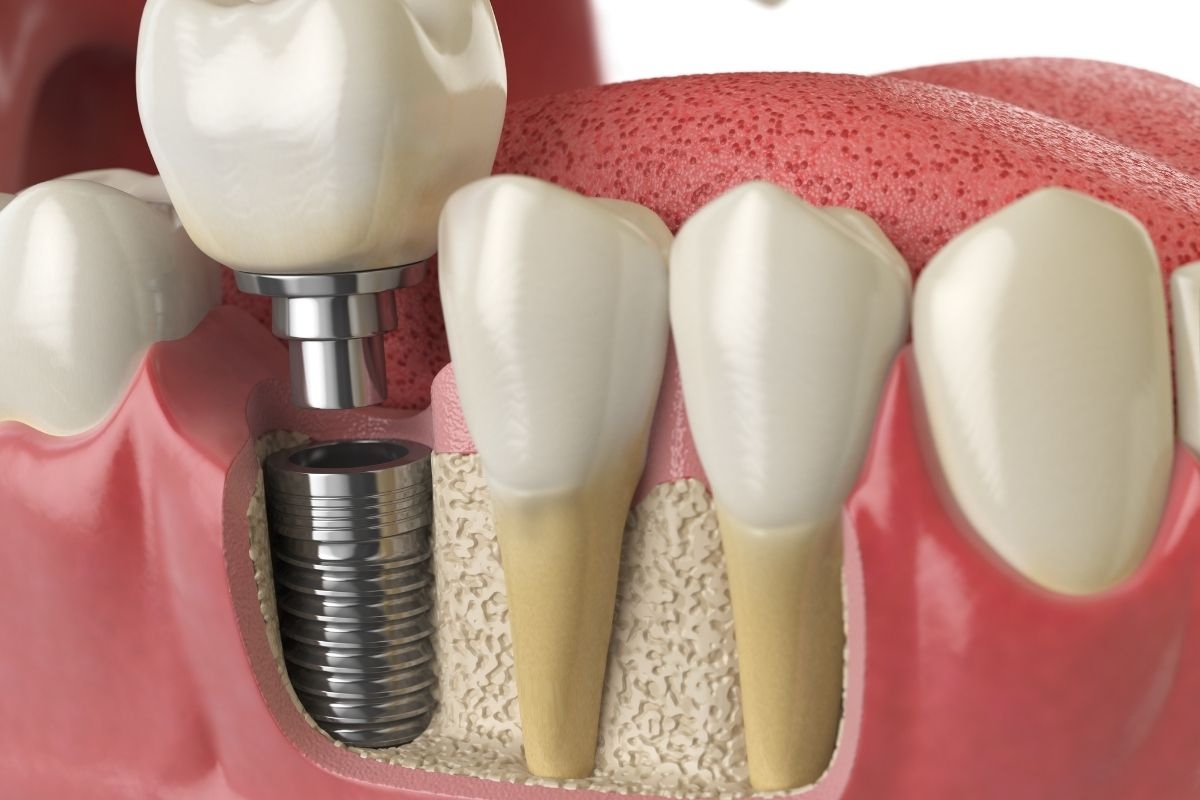
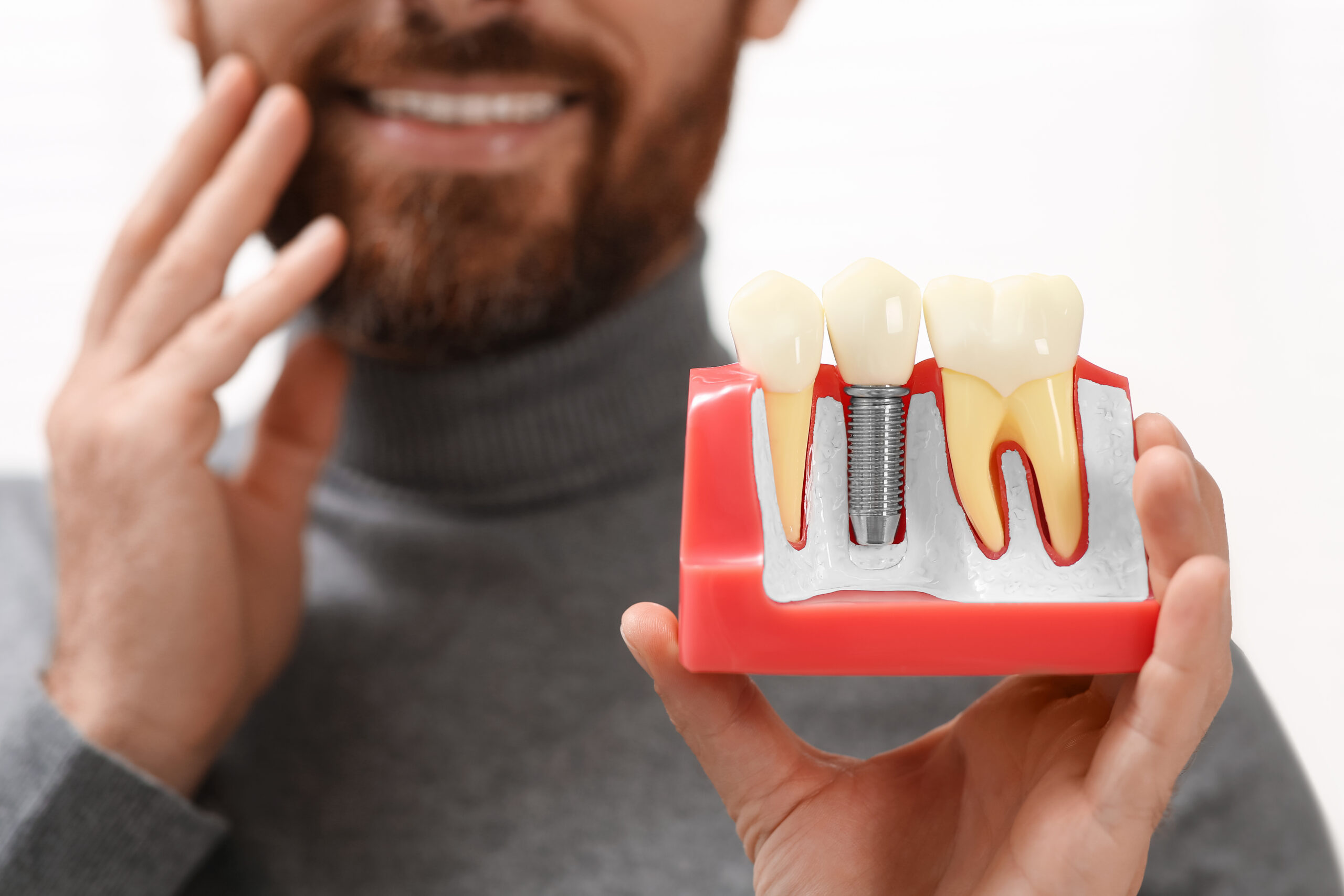
Dental implants heal differently than natural teeth because they rely on a process called osseointegration. This simply means the implant gradually fuses with your jawbone to create a secure foundation.
Healing typically happens in stages:
- Early healing (first few days to 2 weeks): The gum tissue begins to close around the implant site.
- Bone integration (several weeks to a few months): The implant slowly bonds with the bone.
- Final restoration phase: Once stable, the crown (replacement tooth) is placed.
This process is what allows implants to function like natural teeth—but it also means chewing too soon can interfere with healing.
When Can You Start Chewing Normally?
The timeline for chewing varies slightly from person to person, but here’s a general guide:
- First 24–72 hours: Avoid chewing near the implant site entirely. Stick to liquids or very soft foods.
- First 1–2 weeks: You can begin gentle chewing on the opposite side using soft foods.
- 3–6 weeks: As healing progresses, you may slowly introduce more texture, depending on comfort.
- After full healing (often 2–4 months): Most patients can return to normal chewing once the implant is fully integrated and restored.
It’s important to remember that “feeling okay” doesn’t always mean the implant is ready for pressure. Healing continues beneath the surface.
What You Can Eat During Each Healing Stage
Adjusting your diet temporarily can make a big difference in how smoothly your recovery goes.
First few days:
- Smoothies
- Yogurt
- Soups (lukewarm, not hot)
- Mashed potatoes
Early healing phase:
- Scrambled eggs
- Oatmeal
- Soft pasta
- Steamed vegetables
Later stages:
- Tender meats
- Rice and grains
- Soft fruits
Gradually reintroducing firmer foods helps protect the implant while still allowing you to maintain normal nutrition.
What Happens If You Chew Too Soon?
It can be tempting to test your implant early, especially if discomfort is minimal. However, chewing too soon can lead to:
- Implant movement: The implant may not properly fuse with the bone
- Delayed healing: Pressure can disrupt the integration process
- Discomfort or inflammation: Even mild irritation can slow recovery
In some cases, excessive pressure early on may affect the long-term stability of the implant. That’s why a cautious approach is always recommended.
Factors That Affect How Fast You Can Chew Again
Not every patient heals at the same pace. Several factors influence your timeline:
- Bone quality and density: Strong, healthy bone supports faster integration
- Implant stability at placement: A secure initial placement can support smoother healing
- Oral hygiene habits: Keeping the area clean helps prevent complications
- Smoking: Can slow healing and affect bone integration
- Overall health: Conditions like diabetes may influence recovery time
Because of these variables, your timeline may be slightly different from someone else’s—and that’s completely normal.
How Specialists Guide Safe Recovery After Implants
A big part of implant success comes from careful monitoring and guidance during healing.
At each stage, specialists focus on:
- Tracking healing progress to ensure the implant is integrating properly
- Providing personalized diet recommendations based on your comfort and healing stage
- Adjusting timelines if healing is slower or faster than expected
- Preventing complications by identifying concerns early
This approach helps patients in Lubbock move through recovery with confidence, knowing each step is guided by how their body is responding.
Taking the Next Step in Your Recovery
Healing after a dental implant is a gradual process, and it’s completely normal to have questions along the way. Paying attention to your body, following dietary guidelines, and avoiding early pressure all play a role in long-term success.
If you’re unsure about what you can eat or how your implant is healing, it’s always appropriate to ask. If you’d like guidance specific to your situation, you can schedule a visit at our Lubbock location to talk through your recovery and next steps.
FAQs
How soon can I eat solid food after an implant?
Most patients begin introducing soft solid foods within 1–2 weeks, but full return to harder foods usually takes a few months after complete healing.
Can chewing damage a new implant?
Yes, applying pressure too early can interfere with healing and affect how well the implant integrates with the bone.
What foods should I avoid after implant surgery?
Avoid hard, crunchy, sticky, or very hot foods during early healing. These can irritate the site or place stress on the implant.
How do I know my implant is healing properly?
Typical signs include reduced swelling, minimal discomfort, and no unusual movement. Regular follow-ups help confirm healing progress.
Does everyone heal at the same speed?
No, healing varies based on bone health, overall health, and lifestyle factors. Your timeline will be unique to you.