
By Maupin Steffensen Endodontics | August 11, 2026
Maybe it started with one tooth years ago, and life just got in the way of replacing it. Then another one loosened, or an old filling finally gave out, and now you’re avoiding photos where you smile with your mouth open. If this sounds familiar, you’re not the only one wondering whether dental implants can actually handle more than a single gap.
It’s a fair question, and a common one. The short answer is yes, implants for multiple missing teeth are not only possible, they’re one of the most reliable long-term solutions available today.
Why This Question Comes Up So Often
Many people assume implants are a one-tooth-at-a-time solution, largely because that’s how they’re often talked about. In reality, dentistry has advanced well beyond single-tooth replacement. Whether you’re missing two teeth or an entire arch, there’s likely an implant-based option built specifically for your situation.
Understanding these options can make the whole process feel far less overwhelming.
How Multiple Dental Implants Actually Work
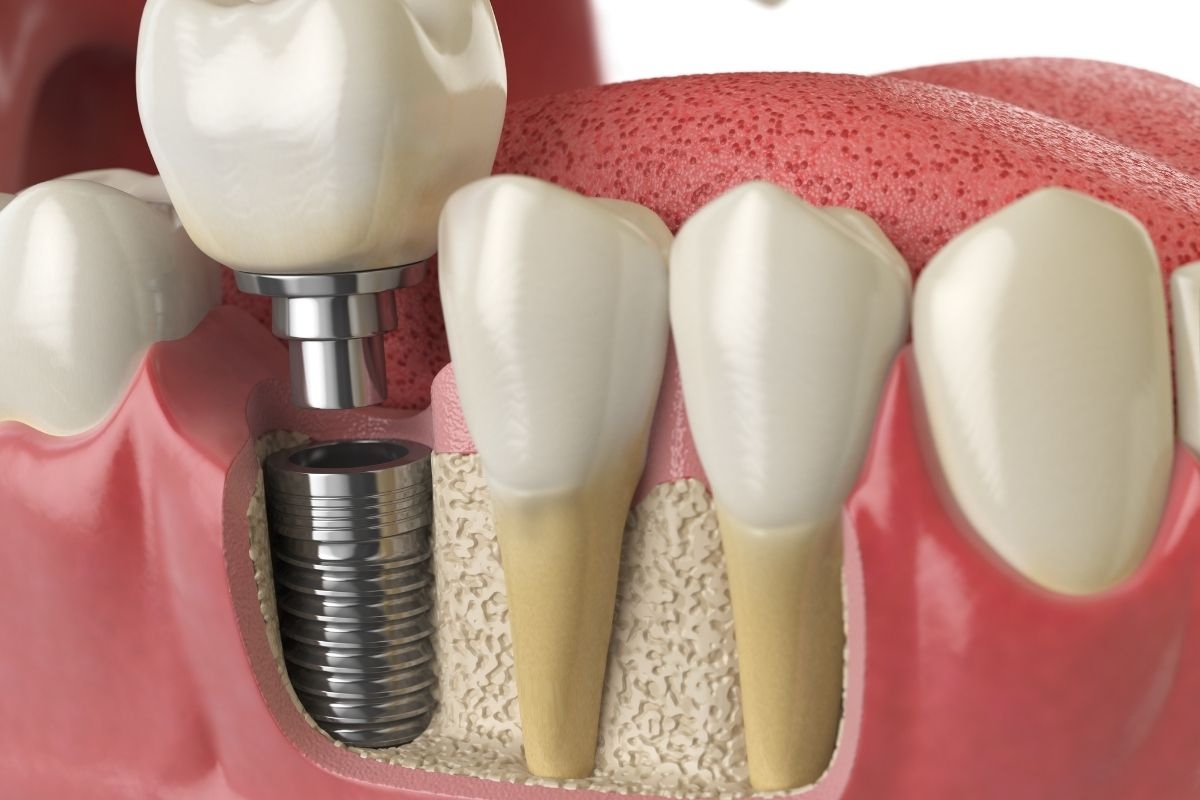
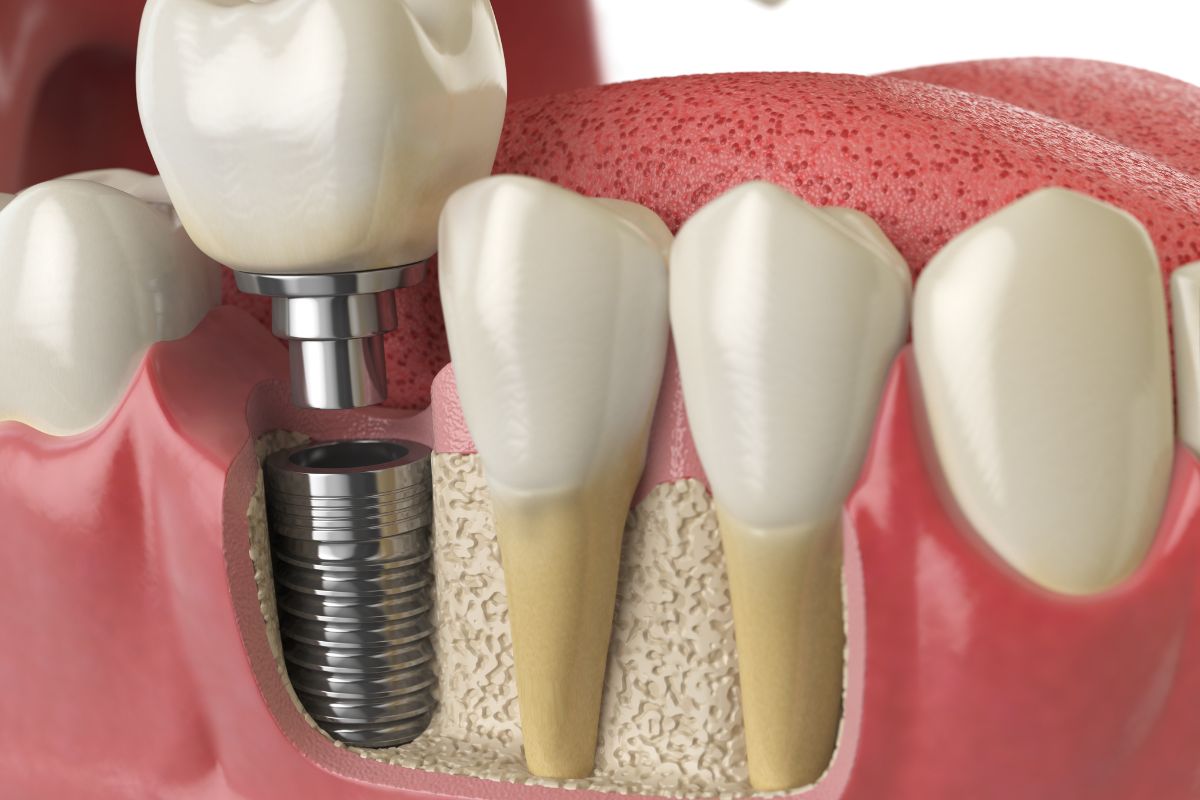
Multiple dental implants function the same way single implants do. A small titanium post is placed into the jawbone, where it fuses over time and acts as a stable root. The difference lies in how the visible restoration on top is designed, depending on how many teeth need replacing and where they’re located.
Your dentist will consider a few key factors before recommending an approach:
- How many teeth are missing
- Where the gaps are located in your mouth
- The strength and density of your jawbone
- Your overall oral health and goals
Option 1: Individual Implants for Each Tooth
If you’re missing several teeth that aren’t necessarily next to each other, individual implants may be the most straightforward option. Each implant functions independently, replacing one tooth without relying on neighboring teeth for support.
This approach is often ideal for:
- Scattered gaps across the mouth
- Patients with strong, healthy jawbone density
- Those who want each tooth to function completely independently
Option 2: Implant-Supported Bridge
When missing teeth are next to each other, an implant-supported bridge is often the more efficient solution. Instead of placing an implant for every single missing tooth, just two or more strategically placed implants can support a bridge that replaces multiple teeth at once.
Benefits of this approach include:
- Fewer implants needed overall
- Reduced treatment time and cost compared to individual implants
- A stable, non-removable solution
- Even distribution of bite force across the bridge
This option is particularly effective for replacing several missing teeth in a row, such as after losing multiple molars.
Option 3: Implant-Supported Dentures
For patients missing most or all of their teeth in one or both arches, implant-supported dentures offer a secure alternative to traditional removable dentures. A small number of implants, often four to six, anchor a full denture in place.
This method is popular because it:
- Eliminates slipping or shifting common with traditional dentures
- Restores significantly more chewing power
- Feels more natural than removable options
- Requires fewer implants than replacing every tooth individually
Which Option Is Right for You?
There’s no one-size-fits-all answer here. The right approach depends heavily on your specific dental history, bone health, and how many teeth you’re missing.
| Situation | Likely Recommendation |
| A few scattered missing teeth | Individual implants |
| Several teeth missing in a row | Implant-supported bridge |
| Most or all teeth missing | Implant-supported dentures |
| Limited jawbone density | Bone grafting may be discussed first |
A thorough evaluation, including imaging and a review of your jawbone health, is the only way to know for certain which path fits your needs.
What Makes Multiple Tooth Replacement Successful
Multiple tooth replacement with implants tends to be successful when a few key factors are in place:
- Sufficient bone density to support the implants
- Good overall oral hygiene habits
- No untreated gum disease
- A realistic treatment timeline that allows proper healing
Your dentist will walk you through each of these before finalizing your treatment plan, so there are no surprises along the way.
Addressing a Common Concern: Bone Loss
One thing many patients don’t realize is that missing teeth can lead to bone loss over time, since the jawbone needs stimulation from tooth roots to stay strong. This is actually one of the strongest arguments in favor of replacing several missing teeth sooner rather than later.
The longer teeth remain missing, the more bone density can decline, which may eventually require additional procedures like bone grafting before implants can be placed.
Why Local Expertise Matters
Every case involving multiple missing teeth is different, which is why in-person evaluation matters so much. A dentist can assess your bone structure, gum health, and bite alignment far more accurately than any online guide.
If you’re exploring your options, working with a team that specializes in tooth replacement in Lubbock can help you understand which approach fits your smile best, based on real imaging and a hands-on evaluation.
What to Expect During Treatment
While every case varies, the general process for multiple dental implants typically includes:
- A comprehensive exam with imaging or scans
- A personalized treatment plan based on your needs
- Implant placement, sometimes in stages
- A healing period allowing the implants to fuse with bone
- Placement of your final crowns, bridge, or denture
Your dentist will walk you through timelines specific to your case, since healing rates can vary from person to person.
Take the Next Step Toward a Complete Smile
Missing multiple teeth doesn’t mean your options are limited or complicated. With individual implants, implant-supported bridges, or implant-supported dentures, there’s a solution designed to fit your specific needs and restore both function and confidence.
If you’re ready to explore what’s possible for your smile, Maupin Steffensen Endodontics is here to help. Schedule a consultation today and take the first step toward a complete, confident smile again.
Frequently Asked Questions
Can dental implants replace more than one tooth?
Yes, implants can replace multiple missing teeth using individual implants, bridges, or implant-supported dentures. The right option depends on how many teeth are missing and their location.
How many implants are needed for a full arch?
Most full-arch restorations use between four and six implants per arch. This provides enough support without requiring an implant for every missing tooth.
Is an implant-supported bridge better than individual implants?
It depends on the case, but bridges are often more efficient for several teeth missing in a row. Individual implants may be better for scattered gaps.
How long does treatment take for multiple missing teeth?
Treatment timelines vary, but the full process, including healing, often takes several months. Your dentist can provide a more precise estimate after evaluation.
Do implants feel like natural teeth?
Yes, most patients report that implants feel and function very similarly to natural teeth. They allow for normal chewing, speaking, and smiling with confidence.