
By Maupin Steffensen Endodontics | March 16, 2026
For many adults balancing work, family responsibilities, and everyday routines, one of the first questions that comes up before moving forward with treatment is simple: How long will it take to heal? It’s a practical concern—especially if you’re planning around meetings, travel, or time with family.
Patients often want reassurance that recovery will fit into their lives without too much disruption. If you’re among patients considering implant tooth replacement in the Lubbock area, understanding the healing timeline can make the decision feel more manageable and predictable.
What Happens After Dental Implant Placement?
After an implant is placed, your body immediately begins a natural healing process. The gum tissue starts to close around the area, and beneath the surface, the jawbone begins to adapt.
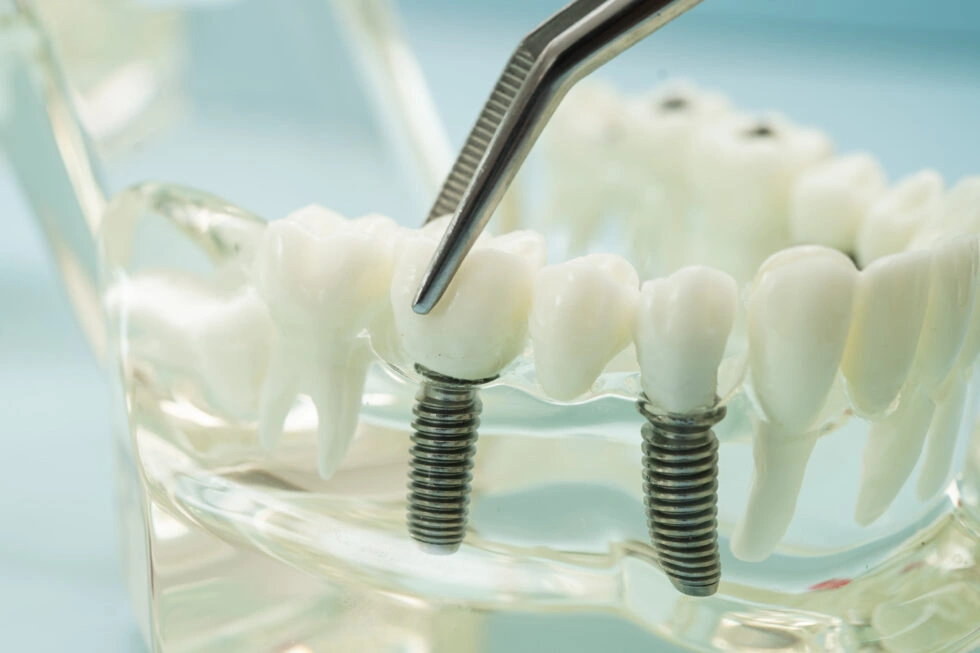
A key part of this process is something called osseointegration. In simple terms, this means the implant gradually fuses with your bone, creating a stable foundation for a future tooth. It’s not something you feel happening day to day, but it plays an important role in long-term success.
Initial Healing: The First Few Days
The first few days are typically the most noticeable in terms of recovery. It’s common to experience mild swelling, tenderness, or slight soreness around the area.
Most patients find that:
- Discomfort is manageable and improves within a few days
- Normal activities can often resume shortly after
- Adjustments to eating (softer foods) help with comfort
For individuals with busy schedules in Lubbock, this phase is usually brief enough to fit within a long weekend or a few lighter days.
Early Healing Phase (1–2 Weeks)
During the next one to two weeks, the gums continue to heal and stabilize. If sutures were placed, they may dissolve on their own or be removed during a follow-up visit.
At this stage:
- Tenderness continues to decrease
- Gum tissue begins to look and feel more normal
- Daily routines become easier to maintain
Many patients feel significantly more comfortable by the end of this period, even though deeper healing is still ongoing beneath the surface.
Osseointegration Phase (3–6 Months)
This is the longest and most important phase of healing, though it often requires the least day-to-day attention.
During this time:
- The implant integrates with the jawbone
- Stability develops gradually
- There is typically little to no noticeable discomfort
From a patient’s perspective, this phase can feel uneventful—which is actually a positive sign. While you go about your usual routines, your body is quietly building the support needed for a long-lasting result.
When Is the Final Tooth Placed?
Once healing and integration are complete, the next step involves placing the final restoration.
This typically includes:
- Attaching a connector (abutment)
- Securing a custom-made crown
At this point, the implant begins to function like a natural tooth, restoring both appearance and chewing ability. For many patients, this is when the process feels fully complete.
Factors That Can Affect Healing Time
While general timelines are helpful, healing is always individual. Several factors can influence how quickly or smoothly recovery progresses:
- Overall health: Conditions that affect healing can extend timelines
- Bone quality: Strong, healthy bone supports faster integration
- Smoking: Can slow healing and impact long-term success
- Oral hygiene: Clean, well-maintained tissues heal more predictably
- Case complexity: Some situations require additional planning or staged treatment
Understanding these factors helps set realistic expectations and supports better outcomes.
How Healing Is Monitored and Supported
Healing doesn’t happen in isolation—it’s guided and monitored over time to ensure everything is progressing as expected.
This typically includes:
- Follow-up visits to check healing and comfort
- Imaging to evaluate how the implant is integrating
- Adjustments to the timeline if needed
- Ongoing communication about any changes or concerns
- Preventive guidance to reduce the risk of complications
This steady, measured approach helps ensure that healing remains on track and that any concerns are addressed early.
A Thoughtful Next Step
If you’re thinking about implant treatment, it can be helpful to view healing as a gradual process rather than a single event. While the full timeline may span several months, much of that time involves quiet, behind-the-scenes healing.
Taking time to understand what to expect—and how it fits into your daily life—can make the experience feel more manageable. For those considering their options, scheduling a visit to discuss your situation can provide clarity around timing, comfort, and what healing may look like for you personally.
FAQs
How painful is recovery after implant placement?
Most patients describe the discomfort as mild and manageable. Any soreness typically improves within a few days and continues to decrease over the first week.
How soon can I return to work?
Many people return to work within a day or two, depending on the nature of their job and how they feel. Lighter schedules can help during the first few days.
What can I eat during healing?
Soft foods are usually recommended early on. As healing progresses, you can gradually return to your normal diet based on comfort.
What happens if healing takes longer than expected?
In some cases, healing may take more time due to individual factors. Regular follow-ups help ensure everything is progressing appropriately and adjustments can be made if needed.
How do I know if my implant is healing properly?
Signs of proper healing include reduced discomfort, stable gum tissue, and no unusual swelling or pain. Ongoing evaluations help confirm that integration is occurring as expected.