
By Maupin Steffensen Endodontics | February 14, 2026
“Will this last forever?”
“Is this really a permanent fix?”
“What happens in 10 or 20 years?”
These are some of the most common questions adults ask when considering implant treatment. Tooth loss is already a major decision point. Naturally, patients want to know whether the solution they choose will stand the test of time — especially when thinking about chewing comfort, appearance, and long-term oral health.
When people explore dental implants in Lubbock, the conversation often centers on longevity. Patients want clarity before committing. They are not just asking whether implants work — they are asking how long they work, what affects their lifespan, and whether they will ever need to be replaced. These are reasonable questions, and they deserve straightforward, evidence-based answers.
What Does “Permanent” Really Mean in Dentistry?
In everyday language, “permanent” implies something that never changes. In biology, that standard simply does not exist.
Teeth, bone, and gum tissue are living structures. They respond to age, health conditions, bite forces, and daily habits. Even natural teeth are not immune to wear, fracture, or periodontal disease over decades.
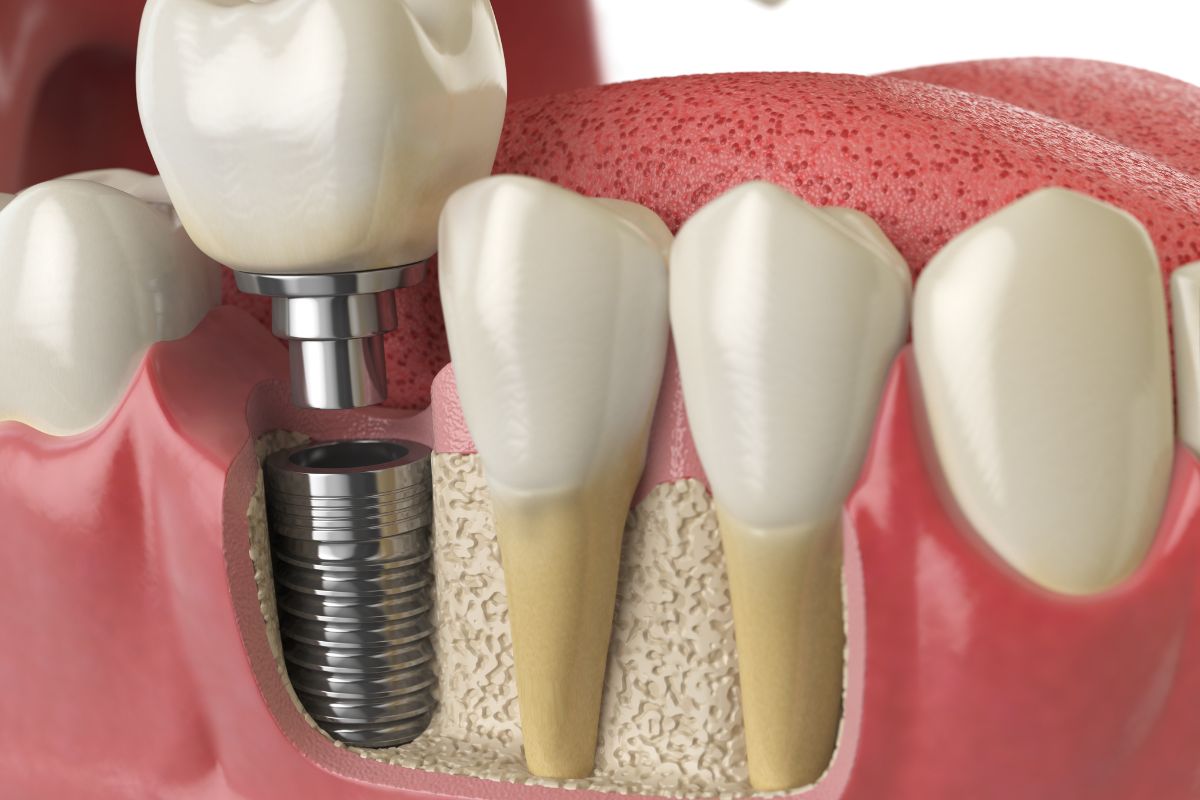
Dental implants are designed for long-term function. The titanium post integrates with the jawbone in a process called osseointegration, creating a stable foundation. Unlike natural teeth, implants cannot decay. However, the surrounding bone and gum tissue still require care and monitoring.
So when we describe implants as a permanent solution, we mean they are engineered to last many years — often decades — with proper planning and maintenance. It does not mean they are biologically indestructible.
How Long Do Dental Implants Typically Last?
Clinical data consistently shows high long-term success rates. Many implants remain stable and functional for 20 years or more. Some last significantly longer.
It is important to distinguish between two components:
The Implant Post:
The titanium fixture placed in the bone is designed to be long-lasting. When properly integrated and maintained, it can remain stable for decades.
The Crown (Artificial Tooth):
The visible restoration attached to the implant may need replacement over time due to normal wear. Just like crowns on natural teeth, they experience daily chewing forces. Replacement intervals vary but commonly fall in the 10–20 year range depending on bite habits and material choice.
In most cases, if maintenance is consistent and bone health remains stable, the implant post itself does not need replacement.
What Determines How Long an Implant Lasts?
Implant longevity is influenced by several biological and lifestyle factors.
Bone Quality and Healing
Successful osseointegration depends on healthy bone. Adequate density and proper healing create a strong foundation. Conditions affecting bone metabolism can influence outcomes.
Oral Hygiene and Maintenance
Although implants cannot decay, plaque accumulation can still cause inflammation in the surrounding tissues. Peri-implantitis — an inflammatory condition affecting bone support — is one of the primary causes of late implant failure. Daily brushing, flossing, and professional cleanings remain essential.
Bite Forces and Grinding
Excessive clenching or grinding increases stress on both the implant and the restoration. Protective strategies may be recommended when necessary.
Smoking and Medical Conditions
Smoking, uncontrolled diabetes, and certain systemic conditions can impair healing and long-term stability.
Regular Professional Monitoring
Routine evaluations allow early detection of changes in bone levels or soft tissue health. Early intervention is often simple and conservative when issues are identified promptly.
Can Dental Implants Fail?
Implant failure is uncommon, but it is possible.
Early Failure:
Occurs before full integration with the bone. This may be related to healing complications, infection, or insufficient stability.
Late Failure:
Develops years later, often due to bone loss from inflammation, excessive bite stress, or systemic health changes.
Mechanical issues such as screw loosening or crown fracture can also occur over time. These are typically manageable and do not necessarily mean the entire implant must be removed.
The key point is this: implants have very high success rates, but they are not immune to complications. Proper diagnosis, planning, and follow-up significantly reduce risks.
How Specialists Plan for Long-Term Success
Long-term implant durability begins well before anything is placed. Careful planning is one of the most important predictors of stability over time.
Comprehensive evaluation often includes three-dimensional imaging to study bone volume, density, and nearby anatomical structures. This allows for precise positioning that supports even bite distribution and healthy gum contours. Proper alignment reduces unnecessary stress and helps preserve surrounding bone.
Thoughtful case selection is equally important. Not every clinical situation should be approached the same way. Reviewing medical history, bone quality, functional habits such as grinding, and overall oral health helps identify potential risks early. Addressing these factors before treatment improves long-term predictability.
After placement, ongoing monitoring remains part of responsible care. Bone levels and tissue health are evaluated periodically so that small changes can be managed conservatively. Early attention to minor concerns often prevents larger complications later.
In communities like Lubbock, where many adults remain active and value long-term health planning, implant decisions are often made with decades in mind. Tooth replacement should support daily comfort today while maintaining structural integrity for the years ahead.
A Thoughtful Next Step
If you are considering implants or already have one and are wondering about its lifespan, a comprehensive evaluation provides clarity. Implant longevity is not determined by the device alone — it depends on bone health, bite dynamics, medical factors, and consistent care.
A personalized assessment allows you to understand your specific risk profile and long-term outlook. Careful planning today contributes to stability years from now.
If you would like to discuss your situation in more detail, you are welcome to visit our dental practice in Lubbock to review your options and receive guidance tailored to your long-term oral health goals.
Frequently Asked Questions
- Can implants last a lifetime?
In many cases, the implant post can remain stable for decades. While some patients experience lifelong success, outcomes depend on health, maintenance, and bite forces.
- How often do implant crowns need replacement?
Crowns may require replacement after 10–20 years due to normal wear. The underlying implant often remains intact if bone support is healthy.
- What causes implants to fail?
Common causes include bone loss from inflammation, uncontrolled systemic conditions, heavy grinding forces, or smoking. Early detection improves management.
- Are implants stronger than natural teeth?
Implants are made from strong materials, but they do not adapt like natural teeth. Surrounding bone and tissue health still determine overall durability.
- How do I protect my implant long term?
Maintain consistent oral hygiene, attend regular professional evaluations, manage systemic health conditions, and address clenching or grinding if present.