

By Maupin Steffensen Endodontics | August 3, 2026
Have you ever wondered what happens beneath your gums after you lose a tooth? Many patients focus on the visible gap, but the changes inside the mouth can be just as important. After tooth loss, the area that once supported the tooth no longer receives the same stimulation, which can affect the surrounding bone structure over time.
At Maupin Steffensen Endodontics in Lubbock, Dr. Maupin helps patients understand how tooth loss affects their oral health and what options may help preserve their smile. Understanding jawbone loss after tooth loss can help you make informed decisions before changes become more difficult to manage. This guide explains why bone changes happen, how they affect your oral function, and how modern restorative treatments can help protect your oral health.
Why Does the Jawbone Change After Losing a Tooth?
When a tooth is removed or lost, the supporting bone around that area begins to weaken because it no longer receives pressure from normal chewing forces.
Your teeth do more than help you chew. They also stimulate the surrounding bone through everyday activities like biting and speaking. When a tooth is lost, the body recognizes that the area no longer requires the same level of support and gradually reduces the bone tissue.
This natural process is known as bone resorption. It does not happen overnight, but continued changes can affect the shape of your mouth and facial structure.
Patients often ask if bone loss after missing tooth situations are normal. The answer is yes. However, the extent of changes varies depending on factors such as the location of the missing tooth, overall health, gum condition, and how long the tooth has been missing.
What Happens to the Bone After a Tooth Is Lost?
The First Changes Begin Below the Gum Line
After losing a tooth, the body begins to adjust to the absence of the tooth root. The socket where the tooth was located begins healing, but the surrounding bone may gradually shrink because it no longer supports a tooth.
During this process, patients may notice:
- Changes in the appearance of their smile
- Difficulty chewing certain foods
- Movement of nearby teeth
- Changes in bite alignment
How Missing Teeth and Bone Loss Are Connected
The relationship between missing teeth and bone loss is closely connected because the tooth root plays a major role in maintaining the supporting structure. Without that stimulation, the bone may become thinner and weaker over time.
Many patients in Lubbock and nearby communities delay treatment because they do not feel pain after tooth loss. However, a painless missing tooth can still create long-term oral changes.
Can Bone Loss Affect Your Facial Appearance?
Yes, changes in the supporting bone structure can influence facial appearance over time.
The bone beneath your gums helps support your cheeks, lips, and facial contours. When significant changes occur after tooth loss, some patients may notice:
- A sunken appearance around the mouth
- Reduced facial support
- Changes in lip position
- An older-looking facial profile
These changes are not always immediate, which is why many patients do not realize they are connected to a missing tooth.
A complete dental evaluation can identify changes early and help determine appropriate options for restoring function and maintaining oral stability.
How Do Dental Implants Help With Bone Preservation?
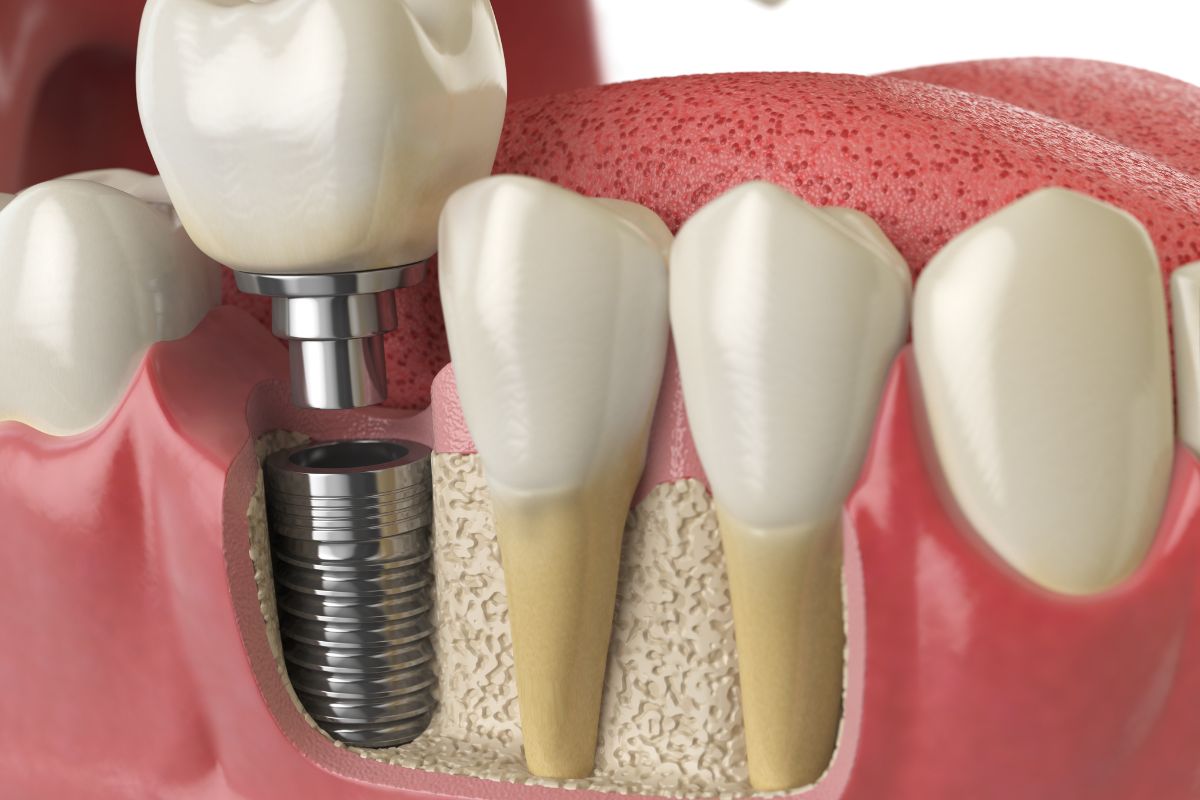
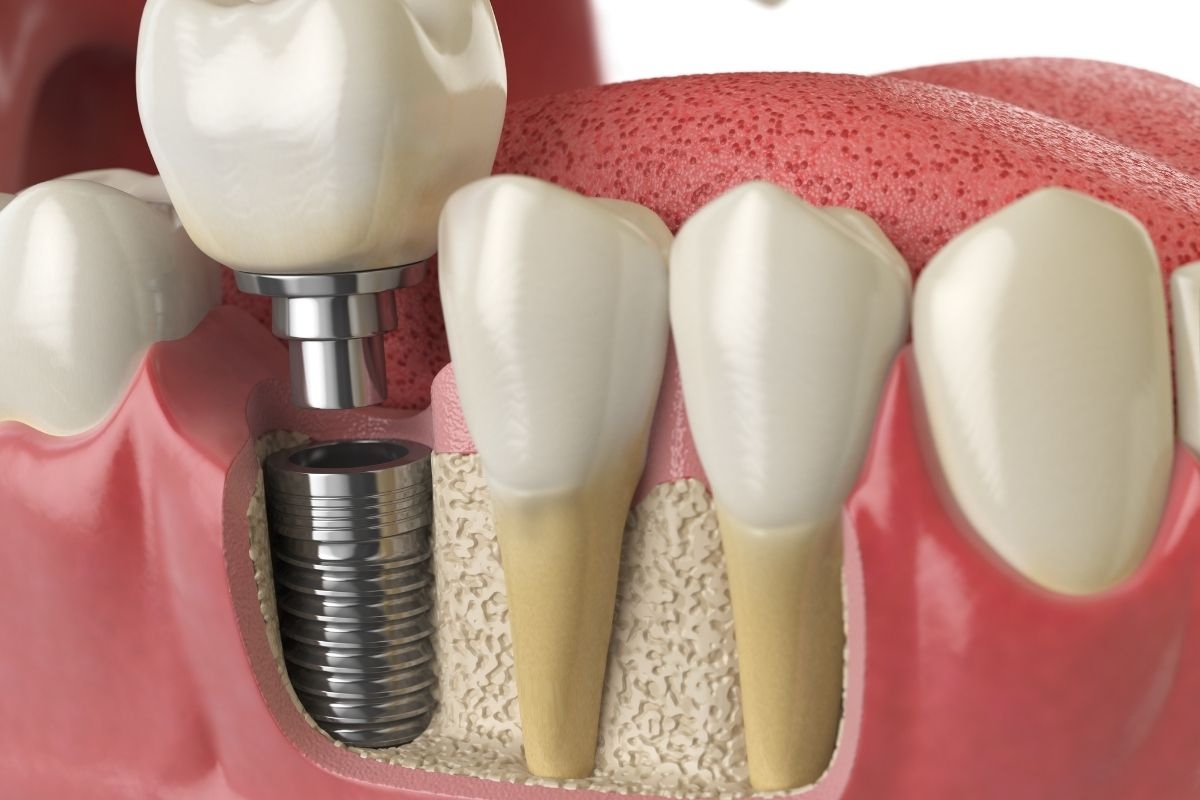
Dental implants are designed to replace missing tooth roots and provide stimulation that helps support the surrounding bone.
Unlike traditional replacements that only restore the visible portion of a tooth, implants are placed into the bone to act as a stable foundation. This approach allows the replacement tooth to function more similarly to a natural tooth.
Understanding tooth implants and bone loss can help patients see why replacing a missing tooth involves more than improving appearance. Restoring the root structure can play an important role in maintaining oral function.
At Maupin Steffensen Endodontics, patients can discuss their options and learn whether implant dentistry may be appropriate for their needs. For questions about treatment options, contact us at +18068539924.
What Happens If You Wait Too Long After Losing a Tooth?
Some patients wonder if treatment can wait because the missing area does not cause immediate discomfort. While every situation is different, delaying care may allow additional changes to occur.
Long-term tooth loss may contribute to:
- Reduced bone volume
- Shifting of neighboring teeth
- Difficulty restoring the area later
- Changes in chewing patterns
The phrase jawbone loss after tooth loss describes a process that may continue gradually when the area remains without tooth support.
A consultation allows dental professionals to evaluate your oral condition, discuss available solutions, and explain what options may work for your situation.
How Is Implant Dentistry Used to Restore Missing Teeth?
Modern implant dentistry focuses on restoring both function and stability. The process typically includes:
- A detailed examination of your oral health
- Evaluation of bone support and tooth replacement needs
- Planning the placement of the implant
- Restoring the missing tooth with a natural-looking crown
Some patients may need additional procedures before implant placement, depending on their bone condition and overall oral health.
For local residents of Lubbock, Wolfforth, Shallowater, and surrounding areas, professional evaluation can provide clarity about the next steps.
Why Early Evaluation Matters After Tooth Loss
A missing tooth affects more than your smile. It can influence chewing ability, surrounding teeth, and the supporting structures of your mouth.
Patients often share concerns about whether treatment will be complicated or whether they waited too long. A dental evaluation provides answers based on your specific condition rather than assumptions.
Dr. Maupin and the team at Maupin Steffensen Endodontics focus on helping patients understand their choices and make decisions that support long-term oral health.
The earlier you understand the condition of the area, the more options you may have for restoring your smile.
Restore Your Oral Health Today
Losing a tooth can cause changes that aren’t always visible right away. Understanding jawbone loss after tooth loss helps you recognize why timely evaluation matters and how restoring missing teeth can support your long-term oral health.
If you are dealing with tooth loss, Maupin Steffensen Endodontics can help you explore restorative options and understand how implant dentistry may fit your needs. Visit our dental office in Lubbock to discuss your concerns with Dr. Maupin and take the next step toward restoring your smile.
Frequently Asked Questions
Does bone loss happen immediately after losing a tooth?
Bone changes begin after tooth loss because the supporting structure no longer receives stimulation from the tooth root. The process happens gradually and varies between patients. A dental examination can determine whether changes have occurred and whether restoration options may help maintain oral health.
Can a missing tooth affect my other teeth?
Yes. A missing tooth can affect nearby teeth, which may shift into the open space over time. This can affect your bite and make cleaning certain areas more difficult. Replacing the missing tooth can help restore balance and protect surrounding teeth from unnecessary stress.
Can dental implants replace a tooth after bone loss?
In many cases, patients with bone changes may still qualify for dental implants after proper evaluation. The dentist will examine the available bone structure and discuss possible treatments if additional support is needed before implant placement.
How long can I wait before replacing a missing tooth?
The ideal timing depends on your oral health, the location of the missing tooth, and the amount of bone support available. Waiting may allow further changes to occur, so scheduling an evaluation can help you understand your options.
Are dental implants only for people missing several teeth?
No. Dental implants can be used for patients missing one tooth, several teeth, or an entire arch, depending on their needs. A consultation helps determine the most suitable approach to restore chewing ability and support oral health.