
By Maupin Steffensen Endodontics | June 26, 2026
Replacing a missing tooth with a dental implant is often one of the most reliable investments you can make in your oral health. Yet many patients are surprised to learn that implant success does not depend solely on the procedure itself. Long-term results are influenced by healing, daily habits, gum health, bite forces, and ongoing professional care.
Implants have an excellent track record, but no treatment is completely free of risk. Understanding what can go wrong and how to prevent it can help you protect your smile for years to come. Many implant-related issues develop gradually and can often be corrected when detected early.
At Maupin Steffensen Endodontics, our team regularly evaluates patients who want a durable solution for missing teeth. Dr. Maupin and Dr. Steffensen believe that patient education is one of the most important parts of successful treatment. If you are considering implant therapy or have concerns about an existing implant, visit our dental office for a personalized evaluation and guidance based on your unique oral health needs.
Understanding Why Some Implant Procedures Develop Problems
Most implant issues occur because the tissues supporting the implant become compromised. Infection, excessive bite pressure, poor oral hygiene, smoking, and certain health conditions are among the most common contributing factors.
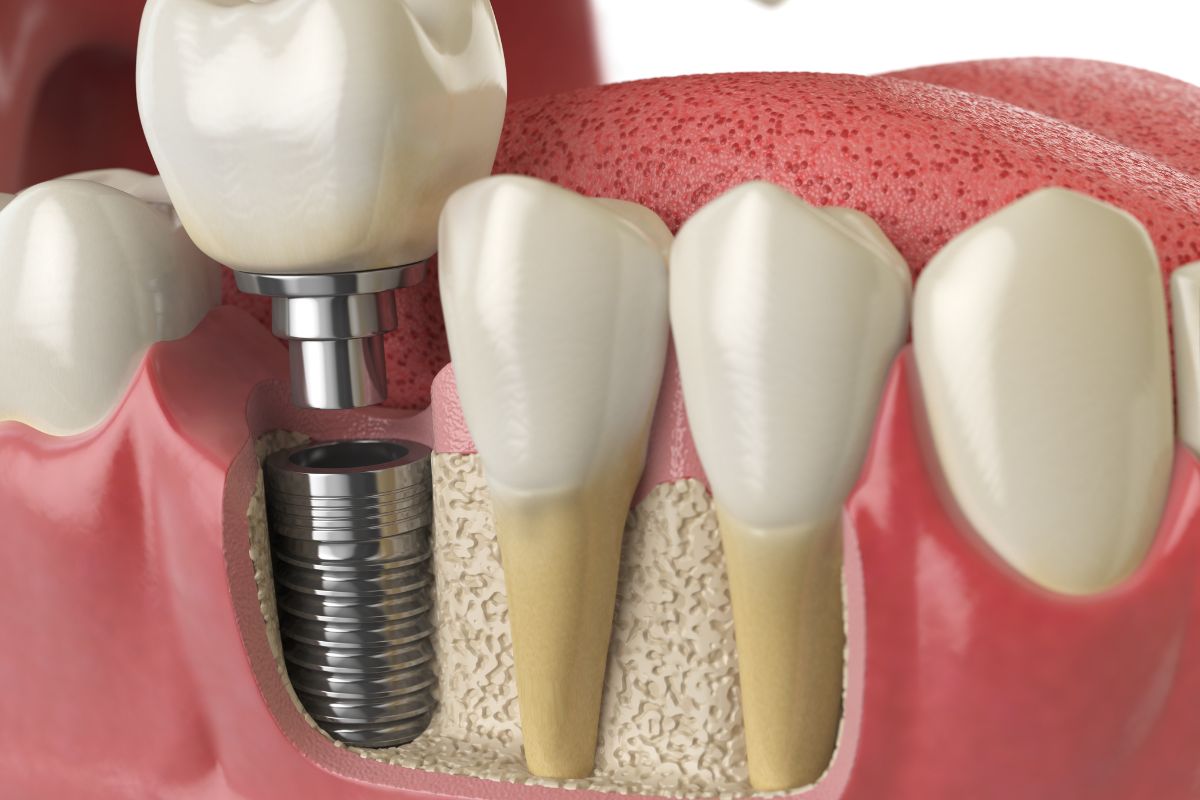
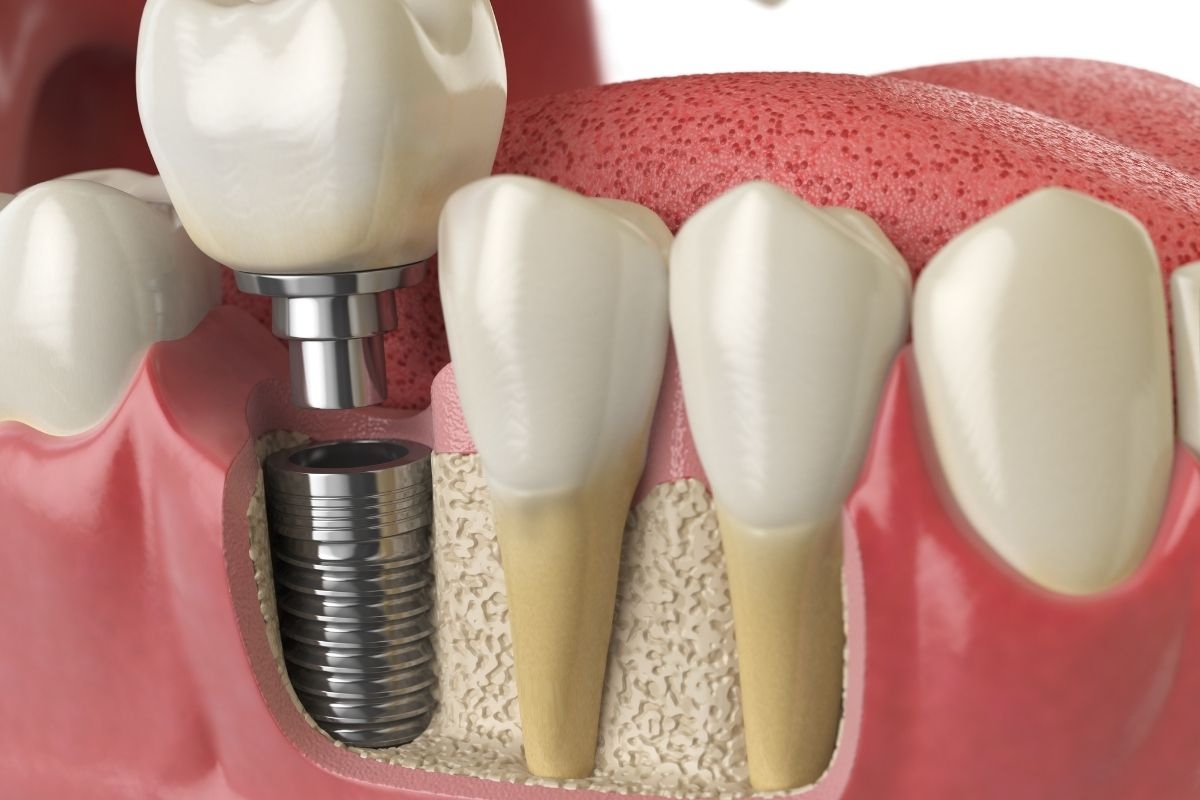
Implant functions much like a natural tooth root. After placement, it must fuse with the jawbone through a process called osseointegration. When healing proceeds as expected and the surrounding tissues remain healthy, implants can provide long-lasting stability and function.
However, problems can arise when bacteria accumulate around the implant, when the implant is subjected to excessive forces, or when bone support begins to diminish over time.
What Are the Most Common Dental Implant Problems?
Several dental implant complications occur more frequently than others. Knowing the warning signs can help patients seek treatment before minor concerns become significant issues.
Peri-Implantitis (Infection Around the Implant)
Peri-implantitis is one of the most common causes of implant complications. It occurs when harmful bacteria trigger inflammation in the gum tissue and bone surrounding the implant.
Common symptoms include:
- Red or swollen gums
- Bleeding during brushing
- Persistent bad breath
- Gum recession
- Tenderness around the implant
- Progressive bone loss
Many patients mistakenly believe implants cannot develop infections because they are made of titanium. While the implant itself cannot decay, the tissues supporting it can still become infected.
Failure of Osseointegration
For an implant to succeed, it must bond securely with the jawbone. In some cases, the bone does not integrate properly with the implant surface.
Factors that may increase risk include:
- Tobacco use
- Uncontrolled diabetes
- Poor bone quality
- Certain medications
- Premature stress on the implant during healing
This type of dental implant failure often occurs during the healing phase before the final restoration is attached.
Bone Loss Around the Implant
Healthy bone provides the foundation that keeps an implant stable. When bone begins to deteriorate, implant support can gradually weaken.
Bone loss may result from:
- Chronic inflammation
- Untreated periodontal disease
- Excessive bite pressure
- Delayed replacement of missing teeth
- Inadequate bone volume before treatment
Routine evaluations and imaging help identify these changes before they threaten implant stability.
Loose Restorations or Components
Many patients fear the implant itself is failing when they notice movement. In reality, the issue is often a loose crown or abutment component rather than the implant fixture.
Signs may include:
- A slight wobble
- Changes in bite alignment
- Clicking sensations while chewing
When addressed promptly, these mechanical issues are often straightforward to correct.
Excessive Bite Forces
Teeth grinding and jaw clenching place tremendous pressure on implants and surrounding structures.
Over time, untreated grinding can contribute to:
- Restoration fractures
- Component loosening
- Bone stress
- Long-term implant instability
A custom night guard is often recommended for patients who clench or grind their teeth during sleep.
What Implant Specialists Watch for During Follow-Up Visits
Many implant problems begin long before patients notice symptoms. Regular monitoring allows specialists to detect subtle changes and intervene early.
At Maupin Steffensen Endodontics, follow-up evaluations may include:
- Assessment of gum attachment levels
- Examination for early inflammation
- Evaluation of bite forces
- Monitoring implant stability
- Review of home care effectiveness
- Diagnostic imaging when necessary
These appointments play an important role in preventing small concerns from becoming major complications.
How Can You Reduce the Risk of Implant Complications?
Most implant-related issues are preventable. Consistent oral hygiene and professional monitoring remain the most effective ways to protect your investment.
Practice Excellent Oral Hygiene
Although implants cannot develop cavities, plaque and bacteria can still accumulate around them.
Daily care should include:
- Brushing twice daily
- Cleaning between teeth and implants
- Using recommended antimicrobial rinses
- Following professional cleaning schedules
Learning how to care for dental implants properly can significantly improve long-term outcomes.
Avoid Tobacco Products
Smoking restricts blood flow and slows healing. Research consistently shows that smokers experience a higher rate of implant-related complications compared to non-smokers.
Patients who stop using tobacco before treatment often experience better healing and improved long-term success.
Keep Up With Professional Checkups
Regular evaluations help identify developing concerns before symptoms become obvious.
Your dental team can monitor:
- Bone levels
- Gum health
- Implant stability
- Bite alignment
- Oral hygiene effectiveness
Protect Against Teeth Grinding
Many patients are unaware they grind their teeth during sleep.
If grinding is present, a custom night guard can help reduce pressure on implants and preserve both restorations and natural teeth.
Manage Overall Health
Conditions such as diabetes can affect healing and increase infection risk.
Maintaining overall health and discussing medical changes with your dental provider supports better implant outcomes.
Five Habits That Help an Implanted Tooth Last Longer
Small daily habits can make a significant difference in implant longevity. Consistency matters more than occasional intensive care.
- Brush around implants twice daily.
- Attend routine professional cleanings.
- Avoid tobacco products.
- Wear a night guard if recommended.
- Schedule an evaluation when symptoms arise.
These simple habits help reduce the likelihood of developing implant-related problems in the future.
A Local Perspective for South Plains Patients
Many people throughout the South Plains choose implants because they want to enjoy meals comfortably and confidently without worrying about slipping dentures or gaps in their smiles.
Whether you’re enjoying barbecue with family, dining at one of the area’s long-standing local restaurants, or attending community events around the Depot District, chewing comfort matters. Delaying replacement of missing teeth can allow bone loss to progress, making treatment more complex later.
This is one reason implant specialists often recommend early evaluation after tooth loss. Addressing concerns promptly helps preserve bone and maintain future treatment options.
Patients interested in learning more about available implant treatment options in Lubbock can benefit from a comprehensive assessment to determine whether sufficient bone and gum support are present.
Protect Your Smile With Proactive Implant Care
Implants remain one of the most predictable and effective solutions for replacing missing teeth, but long-term success requires more than a well-placed implant. Healthy gums, stable bone support, routine evaluations, and consistent dental implant maintenance all contribute to lasting results.
Understanding potential problems allows patients to recognize warning signs early and take preventive action before complications become more serious. Every patient has unique anatomical and health considerations, which is why a personalized evaluation is so important.
If you have a missing tooth, concerns about an existing implant, or questions about your candidacy for treatment, visit our dental office for a comprehensive assessment. At Maupin Steffensen Endodontics, we can evaluate your bone support, gum health, bite function, and overall oral condition to help you make informed decisions about tooth replacement.
Book an appointment today to schedule a personalized diagnostic evaluation and learn which treatment approach is best suited to your long-term oral health goals.
Frequently Asked Questions
Can dental implants fail years after placement?
Yes. Although implants are designed for long-term success, infection, bone loss, or excessive bite forces can cause problems years after treatment. Regular monitoring helps reduce this risk.
What is the most common cause of implant failure?
Peri-implantitis is among the leading causes. This infection affects the tissues supporting the implant and can result in progressive bone loss if untreated.
How do I know if my implant is infected?
Warning signs include swelling, bleeding, bad breath, tenderness, or gum recession around the implant. Any persistent symptoms should be professionally evaluated.
Can a loose implant be repaired?
It depends on the cause. Sometimes the crown or connecting component is loose rather than the implant itself, and the issue can often be corrected.
Does teeth grinding affect dental implants?
Yes. Chronic grinding places excessive force on implants and restorations, increasing the risk of mechanical complications and long-term stress on supporting bone.
How often should implant patients visit the dentist?
Most patients benefit from routine evaluations every six months. Some individuals may require more frequent visits based on their oral health and risk factors.
Are dental implants safe for older adults?
Age alone does not prevent successful implant treatment. Overall health, bone quality, and healing ability are more important considerations than age itself.