

By Maupin Steffensen Endodontics | June 4, 2026
You’ve just been told a tooth needs to come out and now you’re wondering what happens next. Do you get the implant placed right away, or does everything go on pause while you heal? It’s a question that comes up more often than you’d think, and the answer isn’t the same for everyone. The timing of your implant can affect how smoothly the process goes, how your bone responds, and ultimately how long your implant lasts. Understanding the difference between immediate vs delayed dental implants upfront means you’ll walk into your consultation already knowing the right questions to ask.
What Does Implant Placement Timing Actually Mean?
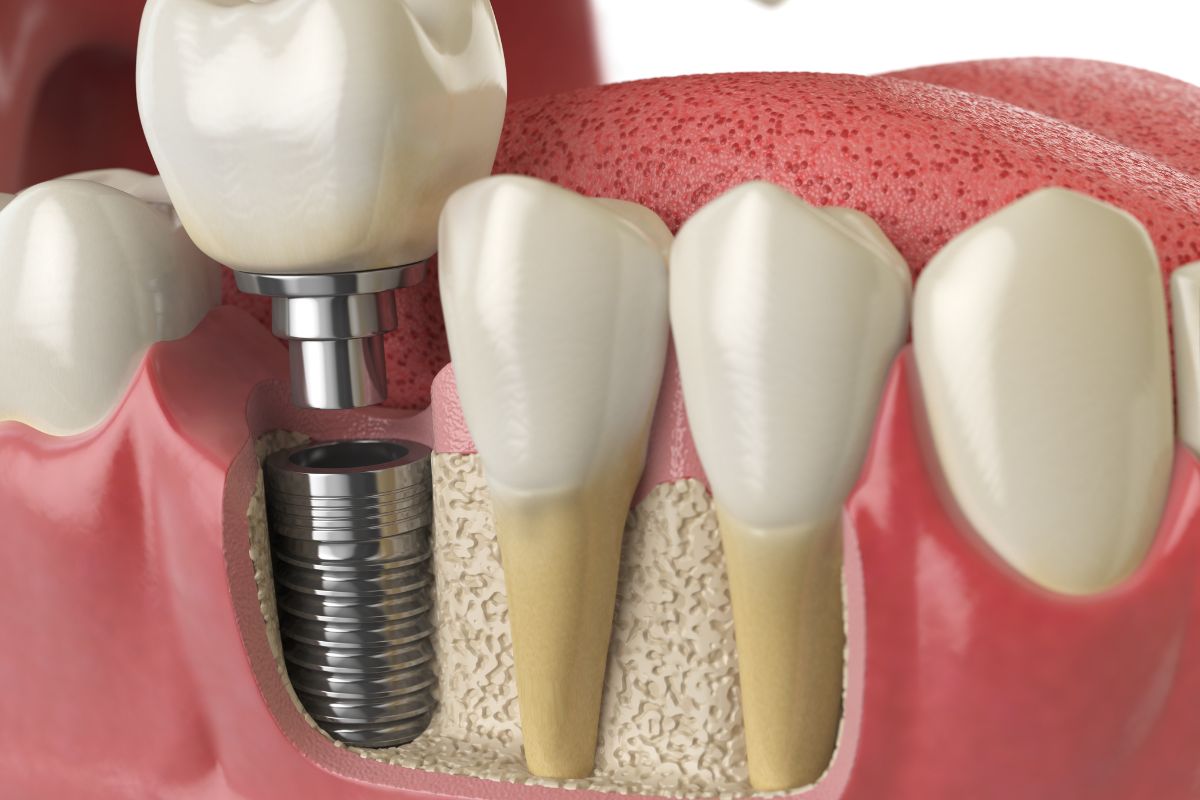
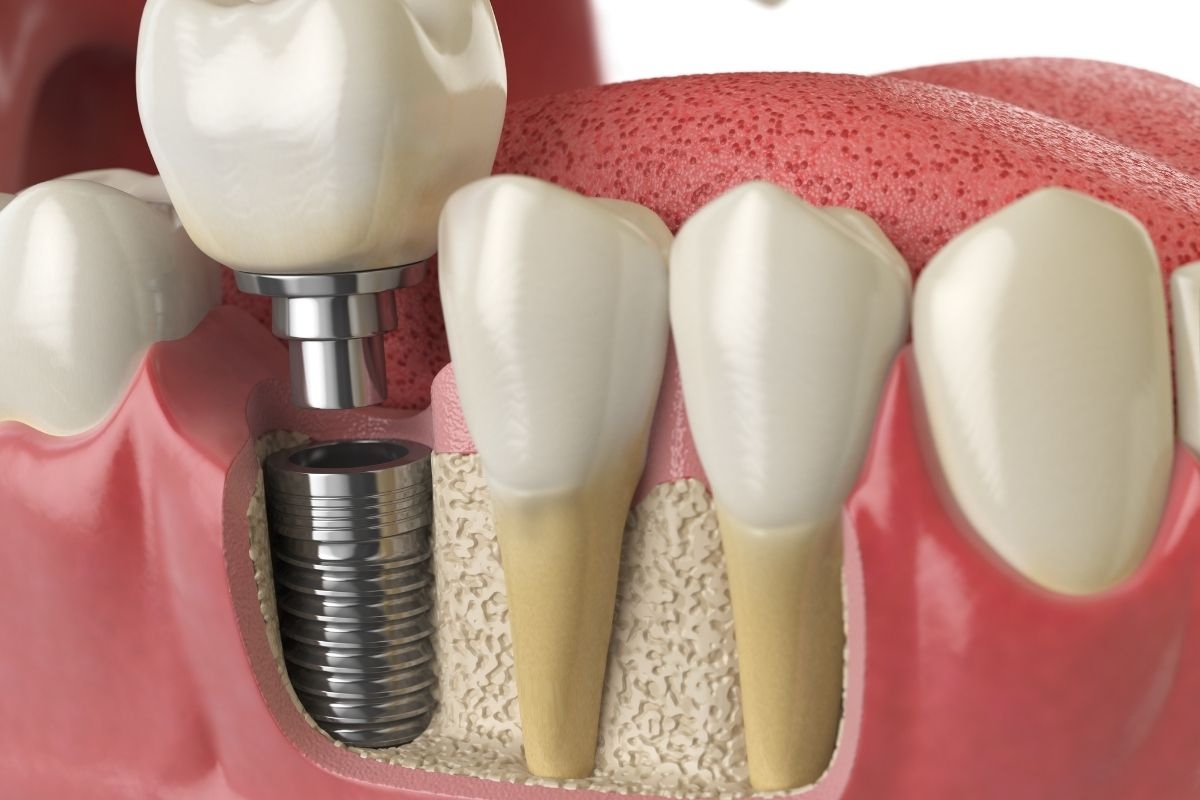
Dental implants are titanium posts that anchor into the jawbone to support a crown, bridge, or denture. But they don’t always go in at the same time as or right after tooth extraction. There are two distinct approaches to when the implant is surgically placed:
- Immediate dental implants — placed at the time of extraction or very shortly after, sometimes within the same appointment
- Delayed dental implants — placed weeks or months after extraction, once the site has had time to heal
Neither approach is universally better. Your bone quality, gum stability, and whether the site requires preparatory treatment before surgery are all factors that shape which approach makes the most sense for you.
Immediate Dental Implants: What to Know
Immediate placement means your dentist or specialist moves forward with the implant on the same day the tooth is removed. The socket is still fresh, and the implant is positioned directly into it before healing begins.
When Is Immediate Placement a Good Fit?
This approach works well under specific conditions. Your provider may recommend it when:
- The jawbone surrounding the extraction site is dense and intact
- Gum tissue is healthy with no signs of active disease
- The extraction itself is straightforward without complications
- There is no infection present at or near the tooth root
- You are in good general health with strong healing potential
When these factors align, immediate placement can be an excellent option that reduces both treatment time and the number of separate surgical appointments.
Benefits of Immediate Dental Implants
Choosing immediate placement when appropriate comes with some notable advantages:
- Fewer overall visits — extraction and implant placement happen together
- Shorter treatment timeline — no waiting period before the implant phase begins
- Bone preservation — the implant helps maintain jawbone volume from the start
- Gum shape retention — early implant positioning can prevent the natural collapse of gum tissue around the extraction site
- Earlier osseointegration — bone begins fusing to the implant sooner, setting the stage for the final restoration
Delayed Dental Implants: What to Know
Delayed placement follows a more traditional sequence. After the tooth is removed, you allow the extraction site to fully heal typically over the course of 8 to 12 weeks or longer before the implant is surgically placed.
When Is Delayed Placement the Better Choice?
Delayed implant placement is often the more appropriate path in situations where the site needs preparation before an implant can be successfully supported. Your provider may recommend waiting when:
- Bone loss has occurred and a bone graft is needed first
- There is an active infection, abscess, or swelling at the site
- Gum tissue is inflamed, damaged, or insufficiently thick
- Difficult removals or cases where several teeth are being addressed at once
- Medical conditions may affect initial healing or surgical risk
In these cases, patience isn’t a disadvantage, it’s a strategy. Waiting creates a healthier, more stable foundation that improves the implant’s long-term outcome.
Benefits of Delayed Dental Implants
- Complete tissue recovery before implant surgery begins
- Time for bone grafting to build up volume where needed
- Lower infection risk once the area has fully cleared
- Greater precision during placement in fully healed, stable tissue
- More predictable healing stages with clearly defined recovery milestones
How Healing Differs Between the Two Approaches
Dental implant recovery looks different depending on which path you take, and understanding that difference helps set realistic expectations.
When an implant is placed right away, the body handles two processes at once. The surgical site is recovering while the jawbone is already beginning to bond with the implant post. This requires careful monitoring, since the implant needs sufficient stability from the very beginning. Patients are often advised to stick to soft foods and avoid placing pressure on the implant during the first several weeks.
With delayed placement, there are technically two separate recovery phases, one after extraction and one after the implant surgery. Each phase is generally manageable on its own, but the overall process takes longer. The upside is that by the time the implant goes in, the tissue environment is fully prepared to support it.
In both cases, full osseointegration, the process of the implant bonding with the bone takes three to six months before the final crown or restoration can be attached.
Factors That Determine the Right Timeline for You
Implant timing isn’t a one-size-fits-all decision. Your provider will look at several specific factors before recommending immediate or delayed placement.
1. Bone Volume and Density Implants require strong bone support. If volume is insufficient, delayed placement allows time for grafting and regeneration before the implant is placed.
2. Gum Tissue Condition Healthy, stable gum tissue is critical for both healing and long-term implant support. Damaged or inflamed tissue may need to recover before surgery is appropriate.
3. Presence of Infection Active infection near the extraction site can compromise implant stability. In these cases, delayed treatment allows for full resolution before proceeding.
4. Complexity of the Extraction Straightforward single-tooth removals are more compatible with immediate placement. When a removal is surgically involved or particularly difficult, the jaw typically needs adequate recovery time before it can reliably support an implant.
5. Overall Oral and Systemic Health Conditions such as uncontrolled diabetes, active gum disease, or certain medications can affect healing timelines and influence which approach is safer.
6. Your Long-Term Goals How quickly do you want to restore your smile? How many teeth are involved? Your goals matter just as much as the clinical picture.
Why Implant Timing Matters More Than You Might Think
Choosing the right moment to place an implant isn’t just about convenience, it directly affects how well the implant performs over time. A well-timed implant placed into a properly prepared site is more likely to integrate successfully, support healthy surrounding tissue, and hold up under the daily demands of chewing and speaking.
Rushed placement in a compromised site, or unnecessarily long delays that allow bone to deteriorate, can both create complications down the line. The goal isn’t speed or caution for its own sake — it’s finding the window where conditions are genuinely optimal for your mouth.
If you’re exploring dental implants in Lubbock, connecting with an experienced implant dentist Lubbock who evaluates your specific bone structure, gum health, and overall oral condition is the most important step you can take toward a successful, lasting result.
Take the First Step Toward Your Restored Smile
Implant placement timing is one of the most important and most personalized aspects of the entire treatment journey. Whether immediate or delayed placement is right for you, what matters most is starting with a provider who takes the time to look at the full picture.
At Maupin Steffensen Endodontics, we understand that every patient’s situation is different. Our team takes a careful, individualized approach to implant planning and one that prioritizes your comfort, the health of your bone and gum tissue, and your long-term results above all else.
Schedule your consultation with Maupin Steffensen Endodontics today and get a clear, honest picture of your options. A healthier, complete smile is closer than you think.
Frequently Asked Questions
1. Can an implant really be placed the same day a tooth is pulled?
Yes, in carefully selected cases. When bone density is adequate and no infection is present, same-day extraction and implant placement is a well-supported approach.
2. How long does the full implant process take from start to finish?
It varies. With immediate placement, the process can take as little as a few months. Delayed placement with bone grafting may extend the timeline to a year or more.
3. Will I go without a tooth during the healing period?
Not necessarily. Temporary restorations can be provided during recovery to maintain appearance and basic function while the implant integrates.
4. Is bone grafting only required for delayed implants?
No. Bone grafting depends on the available bone volume, not the timing of placement. Some immediate implant cases may also involve grafting at the time of surgery.
5. Does delayed placement produce worse long-term results?
Not at all. When properly planned, delayed implants deliver excellent stability, function, and aesthetics often with a more predictable healing course in complex cases.
6. How do I know which approach is right for me?
A clinical evaluation including X-rays or a 3D scan is the only way to know for certain. Your provider will assess bone, gums, and health history before making a recommendation.
7. What happens if I wait too long to get an implant after extraction?
Bone loss naturally begins after a tooth is removed. Delaying treatment too long can reduce available bone volume, potentially requiring more extensive grafting later.