

By Maupin Steffensen Endodontics | March 9, 2026
It’s common for people to notice a small toothache and assume it will pass. In a busy place like Lubbock, between work, family routines, and everything in between, it’s easy to put dental discomfort on hold. Sometimes the pain fades for a while, only to return stronger later. Other times, sensitivity or swelling starts to interfere with everyday activities like eating or even talking.
For patients who find themselves searching for nearby root canal care, understanding early warning signs can make a meaningful difference. Timely evaluation often helps relieve discomfort and, in many cases, preserve your natural tooth through appropriate root canal treatment.
Persistent Tooth Pain That Doesn’t Go Away
One of the most common signs is ongoing tooth pain that doesn’t fully resolve. This discomfort may feel deep, throbbing, or difficult to pinpoint. It can come and go, but it often returns in the same area.
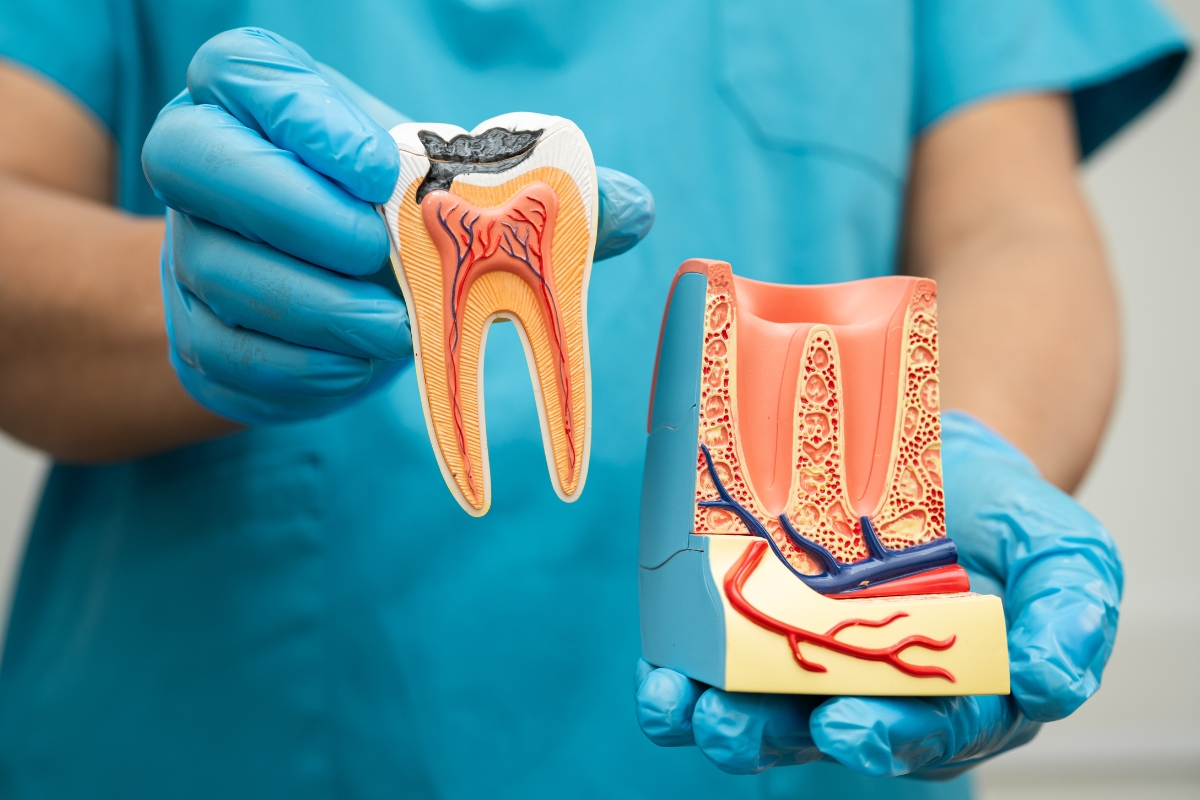
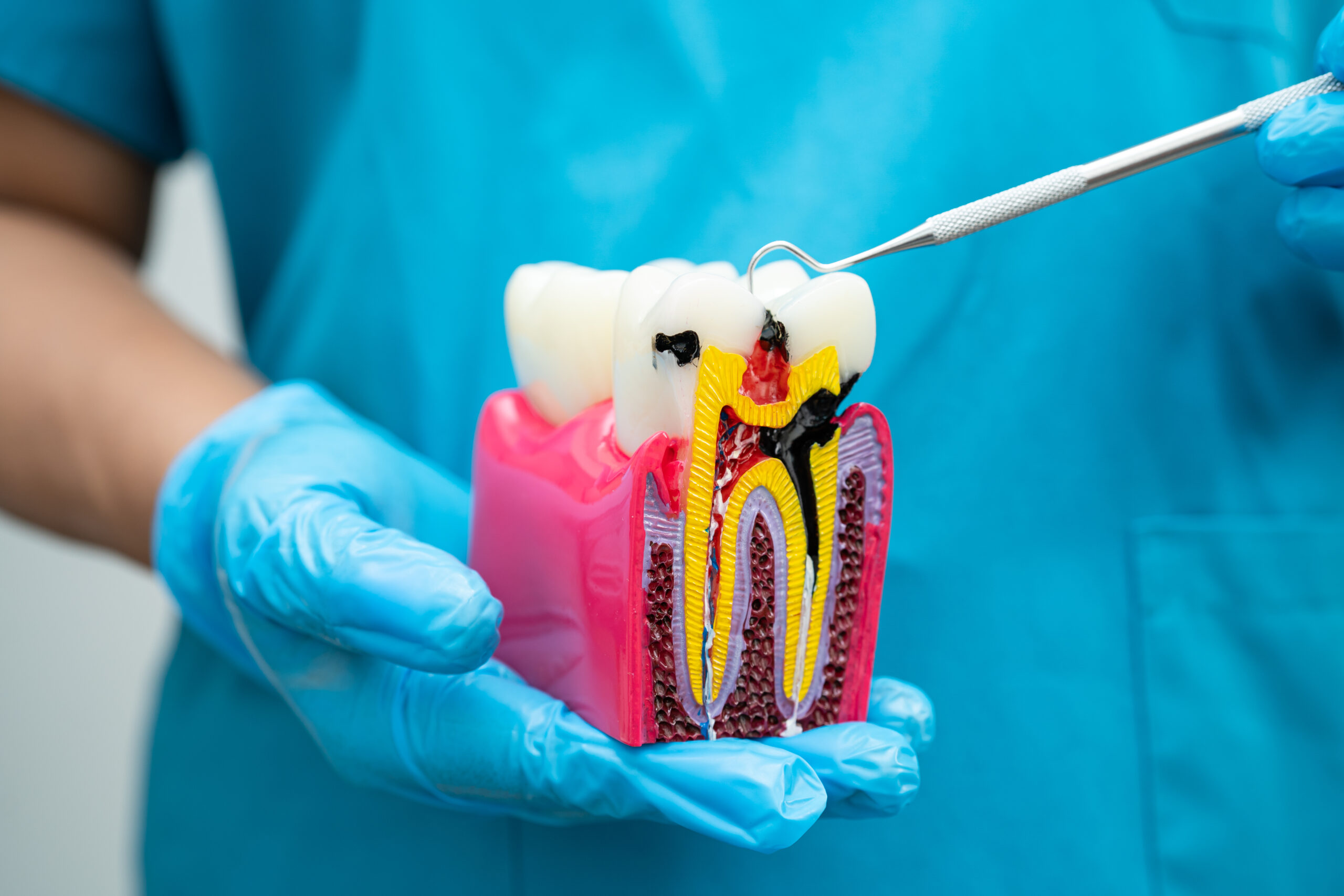
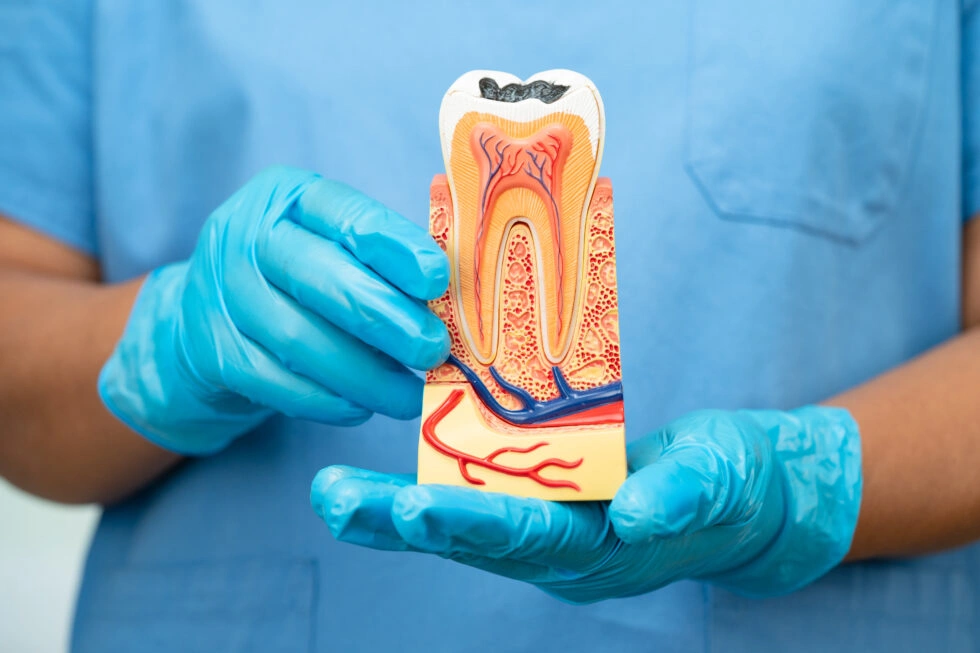
From an endodontic perspective, this type of pain may indicate inflammation or infection within the pulp—the inner portion of the tooth where nerves and blood vessels are located. When irritation reaches this level, the tooth typically cannot heal on its own without treatment.
Sensitivity to Hot or Cold That Lingers
It’s normal to feel brief sensitivity when consuming hot coffee or cold drinks. However, when that sensation lingers for several seconds—or even minutes—after the temperature is removed, it may signal something more significant.
Lingering sensitivity often suggests that the nerve inside the tooth is compromised. Patients in Lubbock frequently describe this as a sharp or lingering discomfort that feels different from occasional sensitivity they’ve experienced before.
Pain When Chewing or Touching the Tooth
If biting down or applying pressure causes discomfort, it may be a sign that the surrounding tissues are inflamed. This can happen when infection spreads beyond the pulp and begins to affect the supporting structures of the tooth.
You might notice avoiding one side while chewing or feeling discomfort when touching the tooth with your tongue. These subtle changes in daily habits often indicate that the tooth needs further evaluation.
Swollen or Tender Gums Near a Tooth
Swelling in the gums near a specific tooth can sometimes be overlooked, especially if it isn’t painful at first. However, localized tenderness or a small bump on the gum may indicate the presence of an infection.
This type of swelling may come and go, but it often represents the body’s response to bacteria within the tooth. In some cases, it can progress if left unaddressed, which is why early attention is important.
Tooth Discoloration or Darkening
A tooth that becomes darker than surrounding teeth may be experiencing internal damage. This discoloration can occur when the blood supply to the pulp is compromised, often due to trauma or long-standing decay.
While not always painful, this visual change can be an important clue that the inner structure of the tooth is no longer healthy.
How an Endodontist Evaluates These Symptoms
When patients visit for evaluation, the process is focused on understanding both the symptoms and the overall condition of the tooth.
A typical assessment may include:
- A detailed discussion of what you’re experiencing
- Clinical examination of the tooth and surrounding tissues
- Digital imaging to view internal structures
- Pulp vitality testing to determine nerve health
One of the key goals is distinguishing between conditions that can heal on their own and those that require intervention. This careful approach helps ensure that treatment is only recommended when truly necessary, with a strong emphasis on preserving the natural tooth whenever possible.
Do Root Canals Feel Painful?
There is often hesitation around root canal treatment due to outdated perceptions. In reality, modern endodontic care is designed with patient comfort in mind.
Most patients find that the experience feels similar to having a routine filling. More importantly, the purpose of treatment is to relieve the discomfort caused by infection—not to create it.
Advancements in technology and technique allow for precise, gentle care, helping patients feel more at ease throughout the process.
A Thoughtful Next Step
If you’ve been noticing any of these signs, it may be helpful to take a closer look rather than waiting for symptoms to worsen. Small changes in how a tooth feels can provide important information about what’s happening beneath the surface.
Taking time to schedule a visit or visit our Lubbock office allows for a clear understanding of your situation and whether any care is needed. Many patients find reassurance simply in having answers and knowing their options.
Frequently Asked Questions
How do I know if tooth pain requires a root canal?
If the pain is persistent, lingers after temperature changes, or worsens with pressure, it may indicate involvement of the tooth’s inner tissue. An evaluation helps confirm the cause.
Can a tooth infection go away on its own?
Infections inside the tooth typically do not resolve without treatment. Symptoms may temporarily improve, but the underlying issue often remains.
Is a root canal better than removing the tooth?
Whenever possible, preserving the natural tooth is preferred. It helps maintain normal function and alignment while avoiding the need for replacement options.
How long does treatment usually take?
Many root canal treatments can be completed in one or two visits, depending on the condition of the tooth.
What happens if I delay treatment?
Delaying care can allow the infection to progress, potentially leading to increased discomfort or more complex treatment needs later on.