
By Maupin Steffensen Endodontics | December 19, 2025
Dental implants have become a popular and effective solution for people seeking to replace missing teeth. Whether you’re missing a single tooth or need a full mouth restoration, artificial tooth roots offer a permanent, natural-looking solution. However, one of the most common questions patients ask is: How long does the process take?
If you’re considering dental implants in Lubbock, it’s essential to understand that the procedure’s timeline varies. Several factors impact the duration of the implant process. In this blog, we’ll explore the typical process, timeline, and what you can expect during treatment.
The Steps Involved In The Dental Implant Process
The process of getting artificial tooth roots involves several stages. Here’s a breakdown of each phase and what to expect:
1. Initial Consultation and Evaluation
Before your procedure begins, your Lubbock dentist will conduct a thorough examination of your oral health. This includes reviewing your medical history, taking X-rays, and possibly a CT scan to assess bone density. The consultation is essential in determining whether you are a good candidate for implants.
Locals like The Coffee Shop or The Plaza are popular meeting points. A dentist may take the opportunity to explain your options and answer questions. The initial consultation usually takes about 1–2 hours.
2. Implant Placement Surgery
Once your dentist has determined you’re a good candidate for the treatment, the next step is the implant placement surgery. This step typically takes 1 to 2 hours, depending on the number of implants being placed.
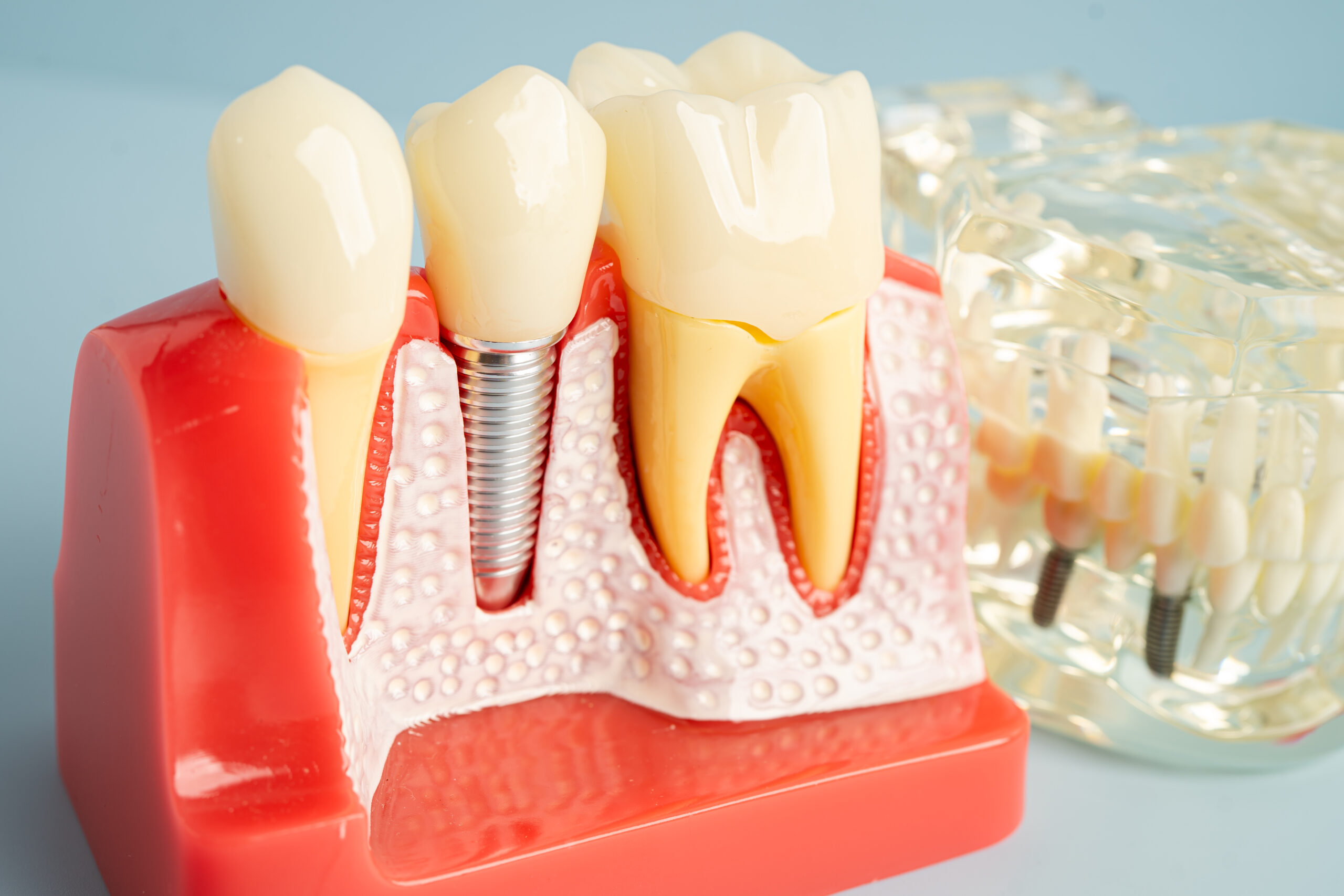
During this procedure, a dental implant surgeon will insert titanium posts into your jawbone. This will eventually fuse with the bone during the healing process. This is called osseointegration and is essential for the implant to hold the artificial tooth securely.
3. Healing Period (Osseointegration)
After the implant is placed, there’s a healing period of several months. Osseointegration is the process by which the implant fuses with the jawbone, and this usually takes between 3 to 6 months. During this time, it’s essential to follow your dentist’s instructions regarding oral care and hygiene.
This phase is crucial and ensures the implant is securely anchored. For residents nearby who often enjoy local outdoor activities, such as Memorial Park, it’s essential to avoid strenuous activities that could disrupt the healing process.
4. Attaching the Abutment and Crown
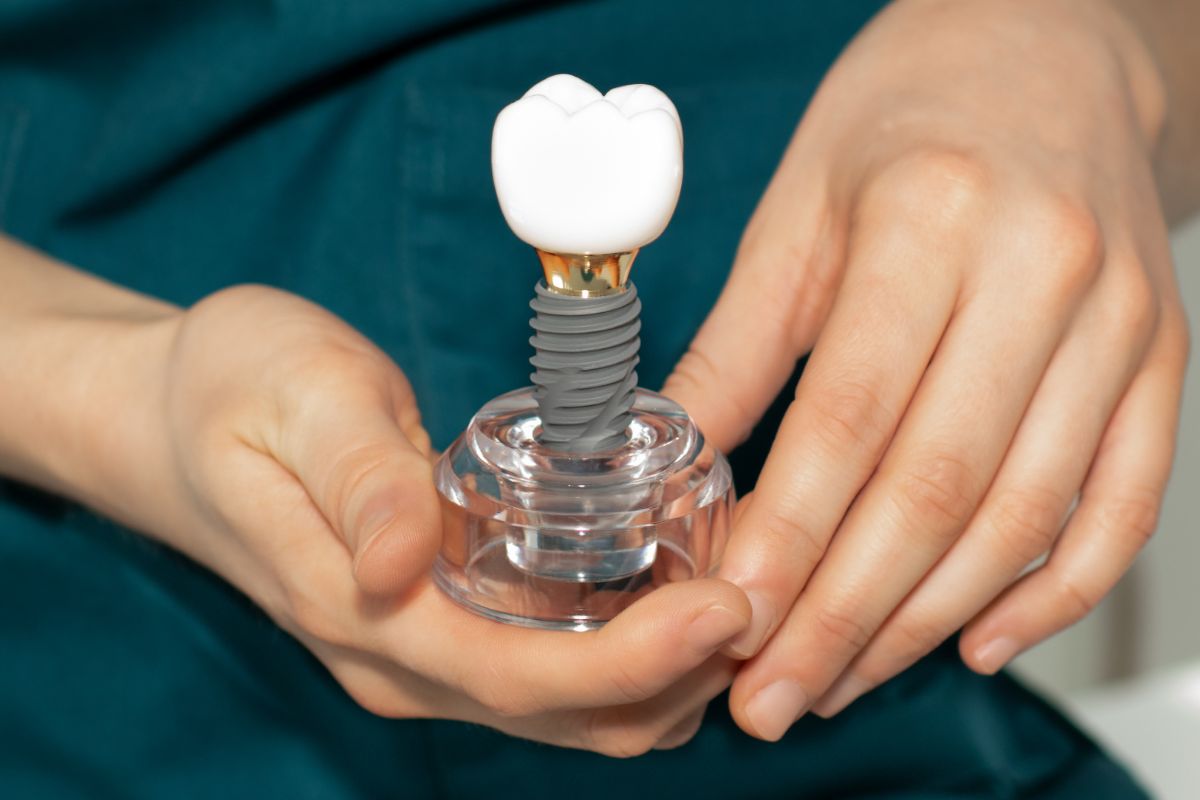
Once the dental post has fully integrated with your jawbone, the professional will attach a small connector called an abutment. The abutment holds the final dental crown in place. This part of the procedure usually takes a few weeks, as your dentist will need to custom-make your crown to match your natural teeth.
Once your crown is ready, your dentist will attach it to the abutment. This is the final stage of the process and typically takes about 1–2 hours.
How Long Does The Whole Process Take?
In total, the artificial tooth roots process can take from 4 to 8 months, depending on the complexity of your case. This timeline includes the healing period required for osseointegration, as well as the time needed to create and attach the crown. If you require any additional procedures, such as bone grafting or sinus lifts, the timeline may be extended.
Factors That Affect The Timeline Of The Implant Treatment
-
Bone Density and Quality
In cases where bone density is insufficient, additional procedures such as bone grafting may be needed. This can extend the overall timeline of the procedure. However, modern techniques and advanced technology used by dentists ensure that bone grafting is efficient and effective.
-
Overall Health and Healing Ability
Your overall health and healing ability also affect the timeline of your prosthetic teeth process. Healthy patients who follow proper aftercare instructions typically heal faster, leading to a smoother, faster process.
Post-Procedure Care And Recovery
Once your implants are placed and your crowns are attached, it’s essential to follow your professional’s aftercare instructions. This may include avoiding hard foods, managing pain with prescribed medication, and regularly attending follow-up appointments to ensure everything is healing correctly. After the healing period and final adjustments, most patients can enjoy their new, fully functional teeth for many years. Regular dental checkups and good oral hygiene habits will ensure the long-term success of your dental work.
Receive A Lasting Solution For Your Smile With One Call!
Achieving a perfect smile through dental implants in Lubbock should be a rewarding experience. Our compassionate team will be with you throughout the process, ensuring you feel at ease and confident in your care. With our expertise and guidance, you’ll enjoy a beautiful, long-lasting smile that fits naturally into your life. If you’re considering this dental work, take the first step toward a healthier, more confident smile. Schedule a consultation today and let us help you create a smile you can be proud of.
Frequently Asked Questions:
- What is the first step in getting artificial tooth roots?
The first step is a thorough consultation and examination with your dentist, who will evaluate your oral health, take X-rays, and determine the best treatment plan.
- How long does the healing process for dental implants take?
The healing process for dental implants typically takes between 3 to 6 months. This period allows osseointegration, in which the implant fuses with the bone for secure placement.
- Can I eat immediately after dental implant surgery?
After surgery, it’s advised to stick to soft foods for the first few days. You should avoid chewing near the implant site to promote healing and prevent irritation.
- Are dental implants painful?
While there may be some discomfort after the surgery, most patients report manageable pain, which can be controlled with medication prescribed by your dentist.
- How long do dental implants last?
Dental implants can last a lifetime with proper care, including regular checkups and good oral hygiene. With proper maintenance, your implants will remain functional for many years.