
By Maupin Steffensen Endodontics | April 22, 2026
Returning home after dental implant surgery often comes with a mix of relief and questions. You might be wondering what you can eat, how to clean your mouth safely, or whether the discomfort you’re feeling is normal. These are common concerns we hear from patients, especially those receiving dental implants in Lubbock, and they’re an important part of the healing process.
Taking the right steps early on can make a meaningful difference in how comfortably and successfully your implant heals. With a clear understanding of what to expect and how to care for the area, most people are able to return to their routine with confidence.
What to Expect After Dental Implant Surgery
After implant placement, your body begins a natural healing process. Some swelling, mild bleeding, and tenderness around the surgical area are expected during the first few days. This is your body responding to the procedure and beginning the process of repair.
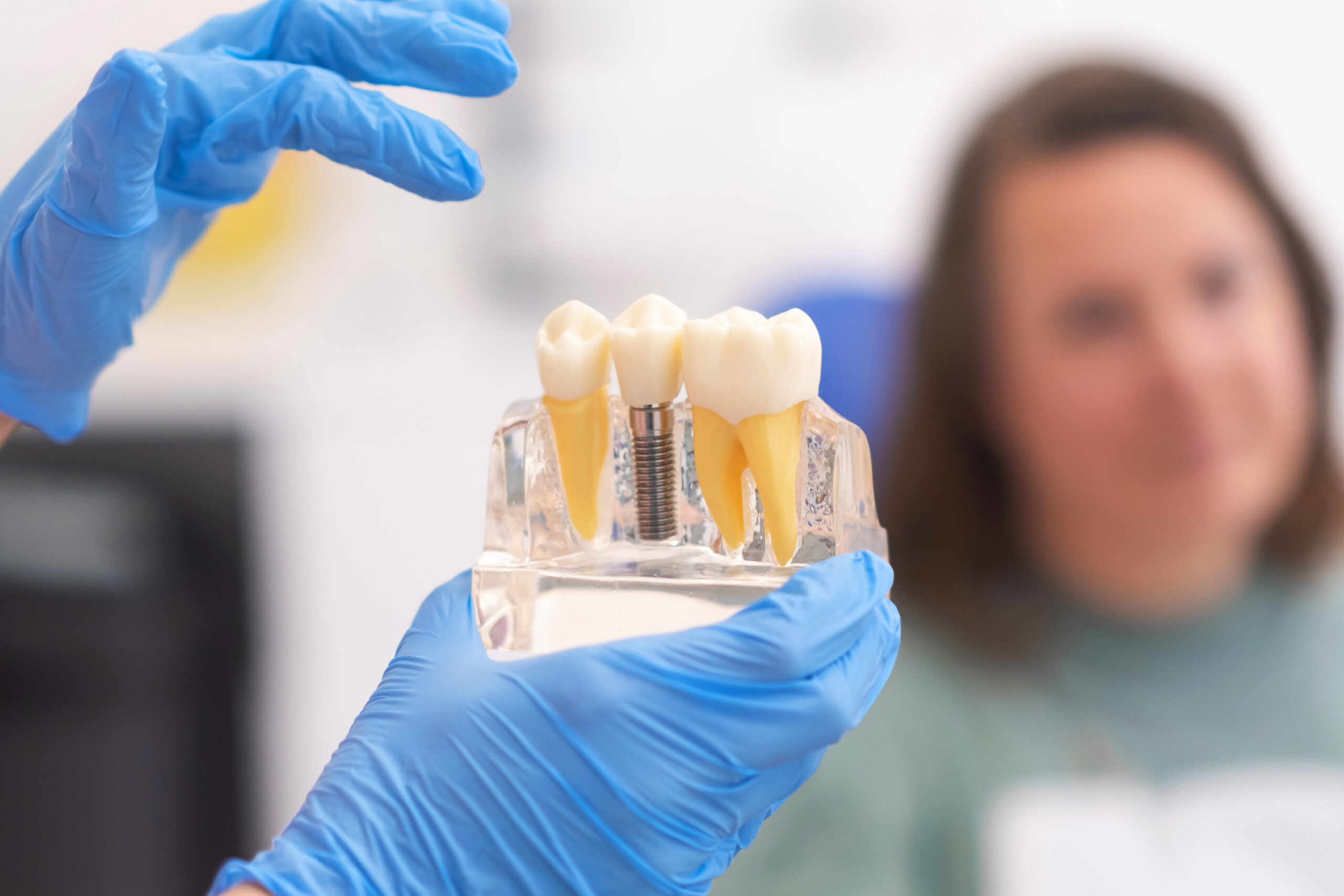
Most patients notice improvement within a few days, although complete healing—especially the process where the implant integrates with the bone (osseointegration)—takes several weeks to a few months.
During this time, it’s important to protect the area and avoid anything that could interfere with healing.
Daily Care Routine After Implant Surgery
Keeping your mouth clean is essential, but it should be done gently.
- Brush your teeth carefully, avoiding direct pressure on the surgical site during the first few days
- Use a soft-bristled toothbrush to prevent irritation
- Rinse with a saltwater solution or any prescribed rinse to keep the area clean
- Avoid vigorous swishing, which can disrupt early healing
As healing progresses, you can gradually return to your normal oral hygiene routine, but always follow the specific instructions provided after your procedure.
Foods to Eat and Avoid During Healing
Your diet plays a bigger role than many people expect in recovery.
In the early days, focus on soft, easy-to-eat foods such as:
- Yogurt
- Scrambled eggs
- Mashed potatoes
- Smooth soups
Avoid foods that could irritate or damage the area, including:
- Hard or crunchy foods
- Sticky items that may pull at the site
- Very hot foods or drinks
Staying well hydrated also supports healing. As comfort improves, you can slowly reintroduce more regular foods.
Habits That Can Affect Implant Healing
Certain everyday habits can interfere with how well your implant heals.
- Smoking can slow healing and increase the risk of complications
- Alcohol may irritate the area and delay recovery
- Touching the implant site with your tongue or fingers can disturb healing tissue
- Skipping oral hygiene increases the risk of infection
Even small adjustments during this period can support a smoother recovery and better long-term results.
Signs of Healthy Healing vs Warning Signs
It’s helpful to know what’s typical and what may need attention.
Normal signs include:
- Mild swelling or soreness
- Slight bleeding in the first 24–48 hours
- Gradual improvement in comfort
Signs to monitor more closely:
- Increasing pain after several days
- Persistent swelling or bleeding
- Unusual discharge or a bad taste
If something doesn’t feel right, it’s always reasonable to ask. Early attention can prevent small concerns from becoming larger issues.
How Specialists Support Implant Healing and Long-Term Success
Healing doesn’t happen in isolation. Your dental team plays an ongoing role in supporting your recovery.
This includes:
- Monitoring how the implant site is healing over time
- Adjusting care instructions based on your progress
- Watching for early signs of irritation or infection
- Supporting proper osseointegration so the implant becomes stable in the bone
- Providing guidance for long-term care once healing is complete
Patients recovering after implant surgery often find reassurance in knowing that healing is being carefully followed and supported at each stage.
Supporting a Smooth Recovery
Recovering from implant surgery is a process that benefits from patience and awareness. Most people healing at home in Lubbock find that small, consistent habits—like gentle cleaning, mindful eating, and avoiding strain—make a noticeable difference in comfort.
If you have questions about your recovery, your symptoms, or your daily routine, it’s always appropriate to ask for guidance. If you’d like to talk through your healing progress or get personalized advice, you can schedule a follow-up or visit our Lubbock office for additional support.
FAQs
How long does it take for dental implants to heal?
Initial healing usually takes a few days to a couple of weeks, but full integration with the bone can take several months.
When can I eat normally after implant surgery?
Most patients begin with soft foods and gradually return to a normal diet as comfort improves, typically within a couple of weeks.
Is it normal to feel pain after dental implant placement?
Mild discomfort or soreness is expected in the first few days. Pain should gradually improve rather than worsen.
How do I clean around a dental implant during healing?
Use a soft toothbrush and gentle rinsing techniques, avoiding direct pressure on the surgical site until it has healed.
What happens if I accidentally disturb the implant area?
Minor contact may not cause harm, but repeated disturbance can affect healing. If you’re concerned, it’s best to have it checked.