

By Maupin Steffensen Endodontics | July 13, 2026
Missing a tooth and unsure whether a dental implant or a bridge is the better long-term solution? Understanding how each option changes over time can help you make a confident decision. Many people focus on the immediate benefits of replacing a missing tooth but overlook how each option performs over time. Understanding those long-term changes can help you make a more informed decision for your oral health.
At Maupin Steffensen Endodontics, patients often ask how these two restorations compare beyond the first few months. Dr. Maupin believes that selecting the right treatment starts with understanding what happens to your teeth, gums, and jaw over the years.
A trusted dentist in Lubbock can evaluate your oral health, discuss your goals, and explain which option may be appropriate for your situation. Whether you live in Lubbock or nearby communities such as Wolfforth, Shallowater, Slaton, or Levelland, knowing the long-term differences can help you plan for a healthier smile.
What Is the Difference Between Dental Implants and Dental Bridges?
Both options replace missing teeth, but they function differently and change differently over time.
Dental implants replace both the missing tooth root and the visible crown. A titanium post is placed into the jawbone, where it gradually bonds with the surrounding bone through a natural healing process called osseointegration.
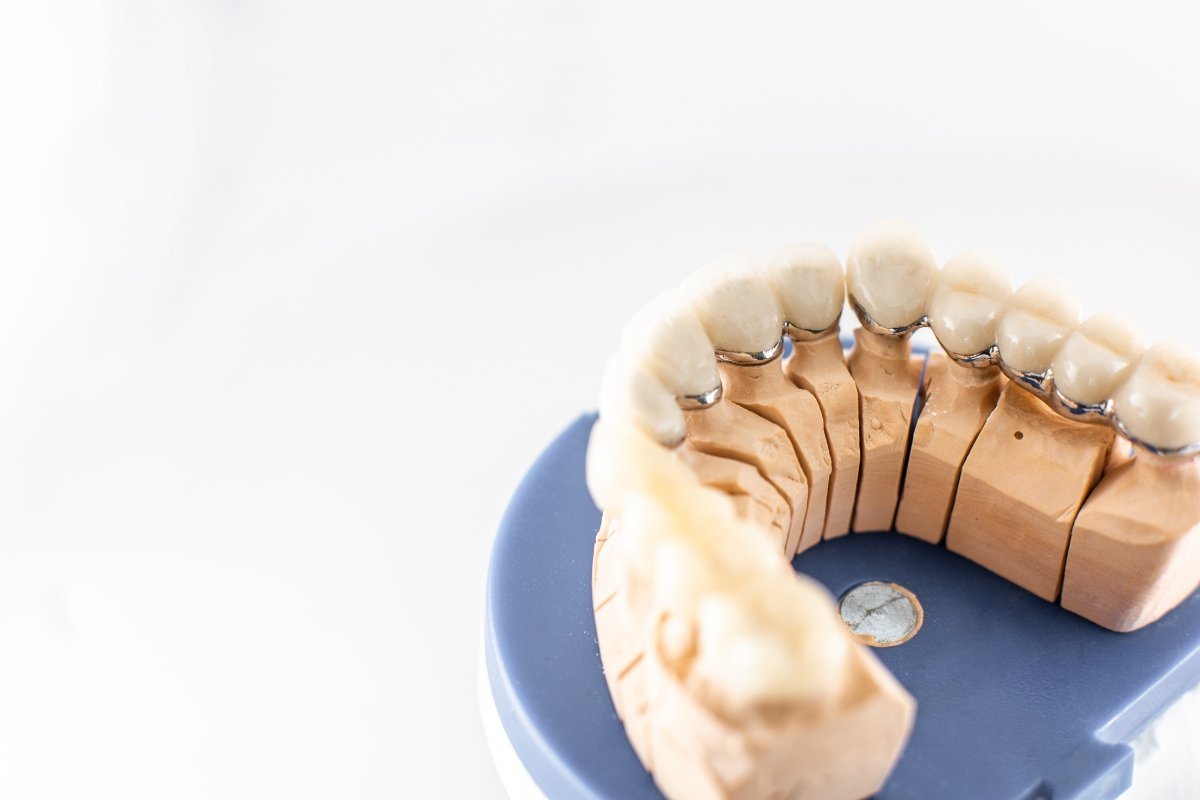
Dental bridges replace the visible portion of one or more missing teeth by connecting an artificial tooth to neighboring natural teeth. The supporting teeth are reshaped so crowns can securely hold the bridge in place.
Although both treatments restore appearance and chewing ability, they differ in several important ways that become more noticeable as the years pass.
Dental Implants vs. Dental Bridges: Side-by-Side Comparison
| Feature | Dental Implants | Dental Bridges |
| Replaces the tooth root | Yes | No |
| Requires neighboring teeth | No | Yes |
| Helps maintain jawbone | Yes | No |
| Average longevity | Often decades with proper care | Usually requires replacement sooner |
| Cleaning routine | Similar to natural teeth | Requires cleaning beneath the bridge |
| Bone preservation | Helps reduce bone loss | Does not prevent bone changes |
The right choice depends on several factors, including bone health, the condition of nearby teeth, overall oral health, and your long-term treatment goals.
How Do Both Options Change During the First Few Years?
Early changes are usually related to healing, adaptation, and maintenance rather than failure.
During the first year after placement, an implant becomes firmly integrated with the jawbone. Once healing is complete, most patients adapt quickly to normal eating and speaking. Routine brushing, flossing, and regular professional checkups help maintain healthy surrounding tissues.
A bridge also functions well after placement, but its long-term success depends heavily on the supporting teeth. Those teeth continue carrying additional biting forces each day. While many bridges perform well for years, the supporting teeth may eventually develop decay, wear, or gum disease if oral hygiene around the restoration becomes difficult.
One common concern patients express is whether treatment can wait. In many situations, delaying replacement allows neighboring teeth to drift into the empty space, making future treatment more complicated. Prompt evaluation helps determine the most appropriate timing without assuming that every missing tooth requires immediate replacement.
Why Does Jawbone Health Matter After Losing a Tooth?
The jawbone naturally begins shrinking after a tooth is lost because it no longer receives regular stimulation from the tooth root.
One of the biggest differences between these two treatments involves what happens beneath the gums.
When a natural tooth is removed, the surrounding bone gradually shrinks. This process, called bone resorption, is a normal biological response. Over several years, bone loss may affect facial support, bite alignment, and future treatment options.
Because dental implants function like artificial tooth roots, they continue transferring chewing forces into the jawbone. This stimulation helps preserve bone volume for many patients.
Traditional dental bridges restore the visible part of the tooth but do not replace the missing root. As a result, the bone beneath the missing tooth usually continues to change over time.
For patients considering dental implants in Lubbock, preserving bone is often an important discussion during treatment planning. In some cases, delaying replacement for many years may result in enough bone loss that additional procedures, such as bone grafting, become necessary before an implant can be placed.
Signs That Bone Changes May Already Be Occurring
Bone loss is often gradual and painless, making it difficult to notice early. Your oral care provider may identify changes during routine examinations or digital imaging.
Possible signs include:
- Changes in the way your bite fits together
- Shifting of nearby teeth
- A sunken appearance around the missing tooth area
- Difficulty fitting an existing restoration
- Reduced bone visible on dental X-rays
These changes do not happen at the same rate for everyone. Age, overall health, smoking, oral hygiene, and the amount of remaining bone all influence how quickly the jaw changes after tooth loss.
Which Option Lasts Longer?
Both restorations can provide many years of function, but they have different long-term maintenance needs.
Many people ask which restoration lasts longer. The answer depends on oral hygiene, overall health, bite forces, and regular professional care.
Dental implants are designed to become part of the jawbone. While the crown attached to the implant may eventually need replacement due to normal wear, the implant itself often remains stable for many years when the surrounding tissues remain healthy.
Dental bridges also have an excellent track record, but they generally rely on the condition of the supporting teeth. If one of those teeth develops decay, a fracture, or gum disease, the entire bridge may need repair or replacement.
Another consideration is maintenance. An implant supports a single replacement tooth independently, while a bridge connects multiple components. This difference can influence future treatment if problems develop.
Can a Dental Bridge Be Replaced with an Implant Later?
Many patients initially choose a bridge and later wonder if they can switch to an implant. The answer is often yes, but every situation is different.
If the jawbone has remained healthy, replacing a bridge with an implant may be straightforward. If significant bone loss has occurred beneath the missing tooth over several years, additional procedures may be recommended before implant placement.
This is one reason regular evaluations matter, even when a bridge feels comfortable. Routine examinations help monitor changes that cannot always be seen or felt.
Patients also ask whether they really need treatment if a missing tooth is not causing pain. Missing teeth can gradually affect chewing efficiency, tooth alignment, and the way biting forces are distributed. Addressing the problem earlier often provides more treatment choices than waiting until additional changes occur.
At Maupin Steffensen Endodontics, every treatment recommendation begins with a careful evaluation rather than a one-size-fits-all approach.
What Factors Affect Long-Term Success?
Daily care, overall health, and regular dental visits have the greatest influence on how well any restoration performs.
No restoration lasts because of the material alone. Long-term success depends on consistent care and healthy surrounding tissues.
Important factors include:
- Brushing twice each day
- Cleaning between teeth and around restorations
- Attending routine professional examinations
- Managing gum disease promptly
- Avoiding tobacco products
- Wearing a nightguard if teeth grinding is present
- Controlling health conditions that may affect healing
An oral restoration should never be considered maintenance-free. Even durable materials benefit from routine monitoring, so small concerns can be addressed before they become larger problems.
Many patients are surprised to learn that healthy gums are just as important as the restoration itself. Supporting tissues play a major role in keeping replacement teeth comfortable and functional for years.
Which Option May Be Right for You?
The right choice depends on your oral health, bone support, nearby teeth, budget, and long-term goals.
Every patient brings a different clinical picture. That is why a comprehensive examination is essential before deciding between treatment options.
A restoration supported by an implant may be considered when:
- One or more teeth are missing
- Nearby teeth are healthy
- Adequate bone is available
- Long-term bone preservation is an important goal
A bridge may be appropriate when:
- Adjacent teeth already require crowns
- Medical conditions affect treatment planning
- Implant placement is not recommended at this time
- A different restorative approach better fits the patient’s needs
During your consultation, a reliable dentist in Lubbock can review digital images, evaluate bone levels, discuss your medical history, and explain which option aligns with your oral health.
One treatment is not automatically better than the other. The most appropriate recommendation depends on careful diagnosis and a clear understanding of your priorities.
Make a Decision That Supports Your Smile for Years
Replacing a missing tooth is about more than restoring appearance. It is also about protecting your bite, maintaining jawbone health, and preserving the health of surrounding teeth over time. Understanding how dental implants and dental bridges change over the years helps you make a confident, informed decision based on your individual needs rather than assumptions.
If you are considering tooth replacement, Maupin Steffensen Endodontics can help you understand every available option. Dr. Maupin takes the time to explain your findings, answer your questions, and recommend treatment based on your oral health and long-term goals. If you are searching for a trusted dentist in Lubbock, schedule a consultation with us to learn which solution is right for your smile.
Frequently Asked Questions
1. Which tooth replacement option usually requires less maintenance?
Both options require daily brushing, cleaning between teeth, and routine professional visits. An implant is cleaned much like a natural tooth, while a bridge requires extra attention beneath the replacement tooth. During a consultation, your dental team can demonstrate the cleaning techniques that help keep either restoration healthy over time.
2. Can I eat normally after replacing a missing tooth?
Most patients return to eating a wide variety of foods after healing is complete. The exact timeline depends on the type of restoration and your treatment plan. Your dental provider will explain when you can safely return to your regular diet and how to protect your restoration during the healing period.
3. Does replacing a missing tooth help prevent future dental problems?
Replacing a missing tooth may help maintain proper spacing, support normal chewing, and reduce unwanted tooth movement. An examination allows your provider to evaluate your bite and recommend the most appropriate treatment before additional changes develop.
4. Will everyone qualify for an implant?
Not every patient is an immediate candidate. Bone volume, gum health, medical history, and certain lifestyle factors all influence treatment planning. A comprehensive evaluation with digital imaging helps determine whether implant treatment is appropriate or whether additional procedures should be considered first.
5. How do I know which treatment is right for my situation?
The right recommendation depends on several factors, including the condition of neighboring teeth, jawbone support, overall oral health, and your long-term goals. A detailed examination allows your provider to explain each option clearly, answer your questions, and recommend a treatment plan based on your specific needs rather than a general guideline.

